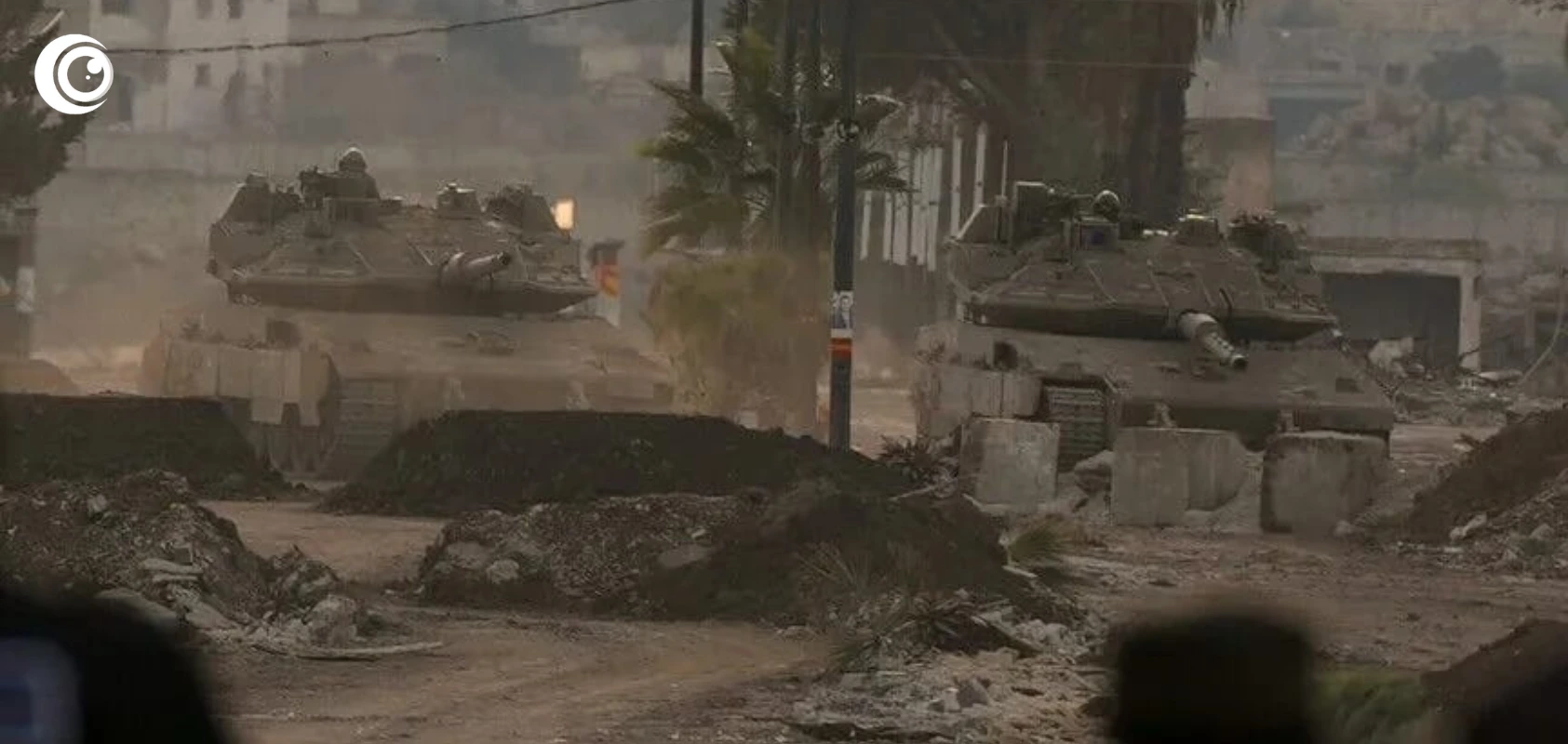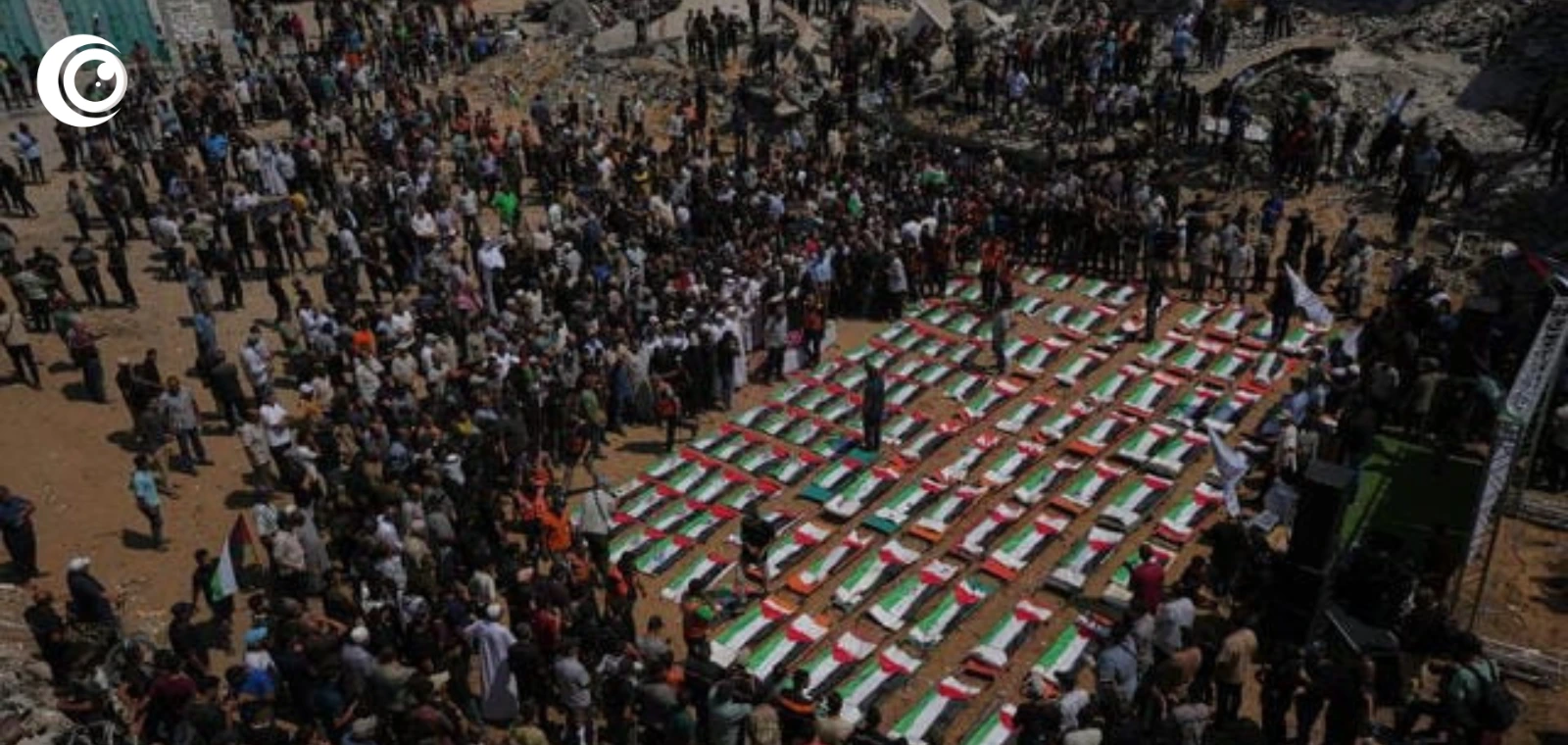

In Gaza, hospitals are bombed, schools reduced to rubble, and children buried beneath the debris. As Israel’s military onslaught continues with full Western backing, the world does not simply watch — it punishes those who speak.
This is not only a war on Palestine. It is a war on conscience, on empathy, and on the fundamental right to stand with the oppressed.
—
Al-Azhar and the Politics of Silence
Al-Azhar — the historic and revered Islamic university — made headlines when it issued a powerful statement condemning Israel’s aggression and calling the Muslim world to act. It was a rare moment of clarity and courage.
But within hours, the statement mysteriously vanished from official channels.
There is no confirmed explanation, but the implications are heavy. Whether it was due to state pressure, diplomatic calculation, or fear of backlash, the retraction spoke louder than the original declaration. It signaled that even our most sacred institutions may be shackled by the same political chains that silence the streets.
Al-Azhar’s hesitation doesn’t make it complicit — but it does reveal the fragility of truth in the face of authoritarian control.
—
From Cairo to California: The Global Suppression of Conscience
What happened in Cairo is not unique — it is part of a global crackdown against voices for Palestine:
In Egypt, protestors just miles from Gaza are arrested for chanting “Free Palestine.” Online expressions of solidarity are criminalized.
In Pakistan, the peaceful “Save Gaza” campaign led by Humaira Tayyaba was met with brute force. She and several students were imprisoned — not for violence, but for demanding justice.
In Jordan, demonstrators outside the Israeli embassy face tear gas and suppression.
In India, Muslims displaying Palestinian flags are targeted by police, while Israeli flags face no scrutiny.
In France, pro-Gaza protests have been outright banned under the pretext of maintaining “public order.”
In the United States, students are doxxed, threatened, and blacklisted simply for supporting Palestinian rights.
To speak for Gaza today is to risk losing your job, your education, your freedom — or worse. What began as a war on land has evolved into a war on morality itself.
—
When Genocidaires Are Called Peacemakers
The hypocrisy is staggering.
You can arm an apartheid regime, veto peace resolutions, and fund the bombing of civilians — and still be hailed as a diplomat of peace.
Donald Trump, who moved the U.S. embassy to Jerusalem, defunded UNRWA, and lavished billions in support to Israel, was once nominated for the Nobel Peace Prize.
Meanwhile, a university student who dares to say “Free Palestine” is labeled a terrorist.
This isn’t about justice or terrorism. It’s about who is allowed to speak — and who is forced into silence.
—
The Real Fear: A Rising, Peaceful Resistance
What these regimes fear isn’t armed rebellion.
They fear a global uprising of awareness — led by students, workers, scholars, and mothers. They fear peaceful resistance, viral videos, protest chants, and simple acts of truth.
Every time someone says “From the river to the sea,” they hear the slow unraveling of their decades-long narrative.
This is the resistance they cannot bomb or arrest away — and so they try to silence it.
—
The Test of Thrones and Turbans
This genocide is testing everyone — not just politicians, but religious institutions.
Some have bravely spoken. Others have cowered behind diplomatic ambiguity.
And some, like Al-Azhar, stand on uncertain ground — issuing brave words one moment, then retreating the next. Their silence may not be criminal — but it is not heroic either.
History does not look kindly on those who hesitated in the face of injustice.
—
One Day, You’ll Be Asked: Where Were You?
This is not a moment for neutrality.
Palestine doesn’t just need our prayers. It needs our voice, our protest, our courage.
One day, when the world looks back, it won’t remember the cowards who stayed silent. It will remember those who spoke when speaking was forbidden.
Let the record show: we stood for truth, for justice, for Gaza — not for politics, but for humanity.