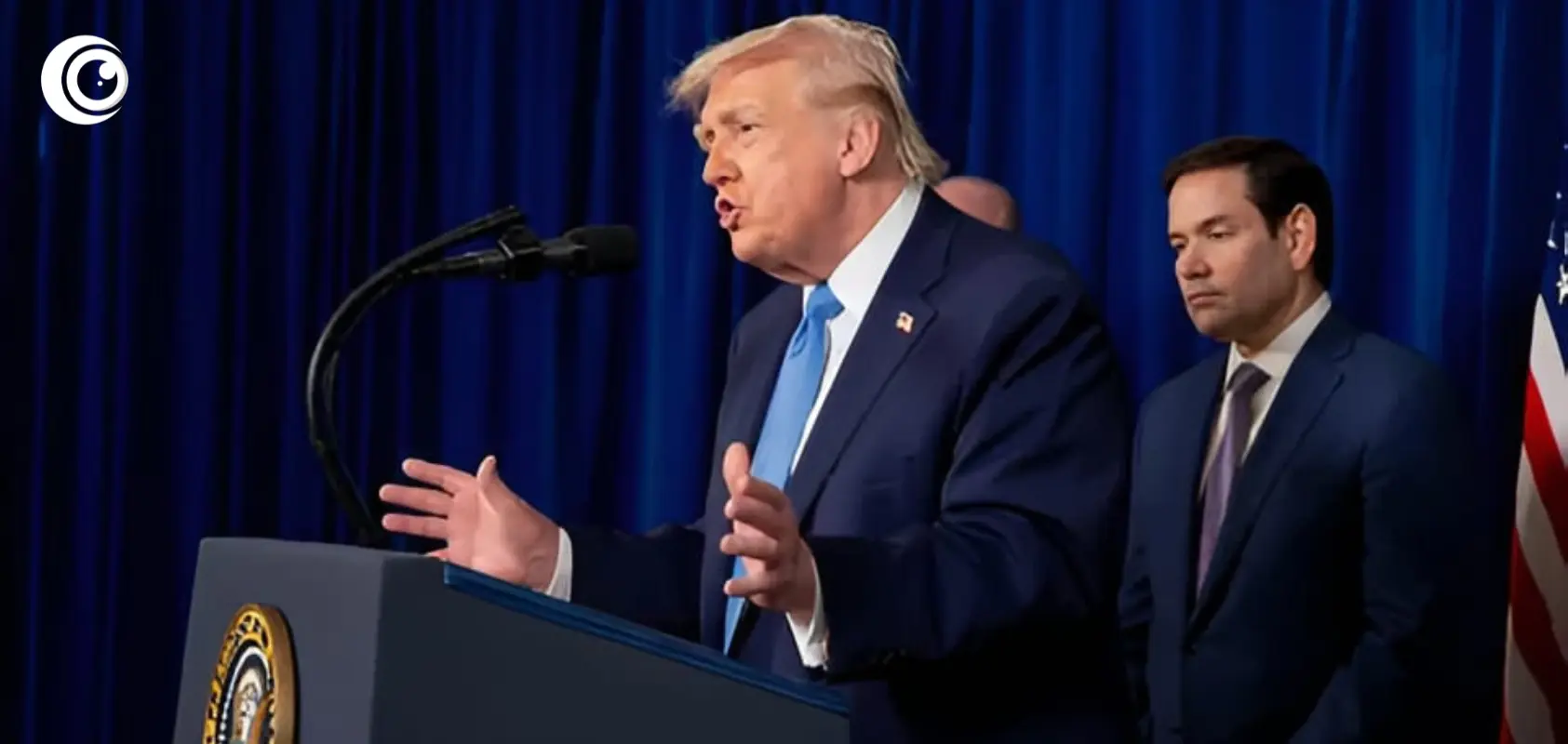


In a striking statement that has sparked international condemnation, US presidential nominee Donald Trump claimed that the United States would now “run” Venezuela while overseeing the rebuilding of its oil infrastructure. The remarks frame Washington’s involvement as economic management, but critics see them as a blunt assertion of control over a sovereign state.
Venezuela holds the world’s largest proven oil reserves, a fact that has long placed it at the center of US strategic interest. For years, Washington has imposed sweeping sanctions and political pressure on Caracas, citing democracy and governance concerns while simultaneously targeting the country’s energy sector.
Trump’s comments revive fears of a more direct form of intervention, one rooted less in diplomacy than in resource access. The language of “rebuilding” Venezuela’s oil industry has been interpreted by analysts as a signal that economic leverage, rather than political reform, may be the central objective of renewed US engagement.
US involvement in Venezuela has already contributed to deep economic strain, with sanctions severely restricting oil exports and state revenue. While Washington maintains that its policies are aimed at pressuring the government, their impact has been felt most sharply by ordinary Venezuelans facing shortages, inflation, and declining public services.
The remarks also fit a broader pattern in which US interventions are framed as efforts to promote stability or democracy, even as they intersect with strategic resource interests. From the Middle East to Latin America, such approaches have often left countries weakened, polarized, and dependent rather than rebuilt.
Whether Trump’s statement reflects formal policy or campaign rhetoric, it has reinforced skepticism across the Global South. For many, it underscores the concern that sovereignty and self-determination remain secondary when major powers invoke democracy while positioning themselves over a nation’s most valuable resources.