
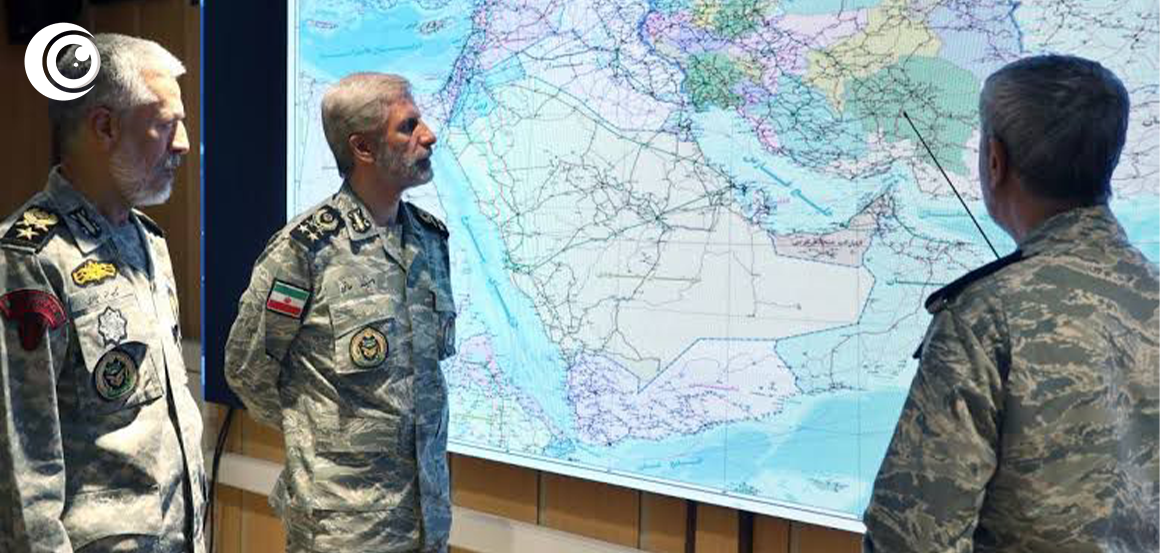

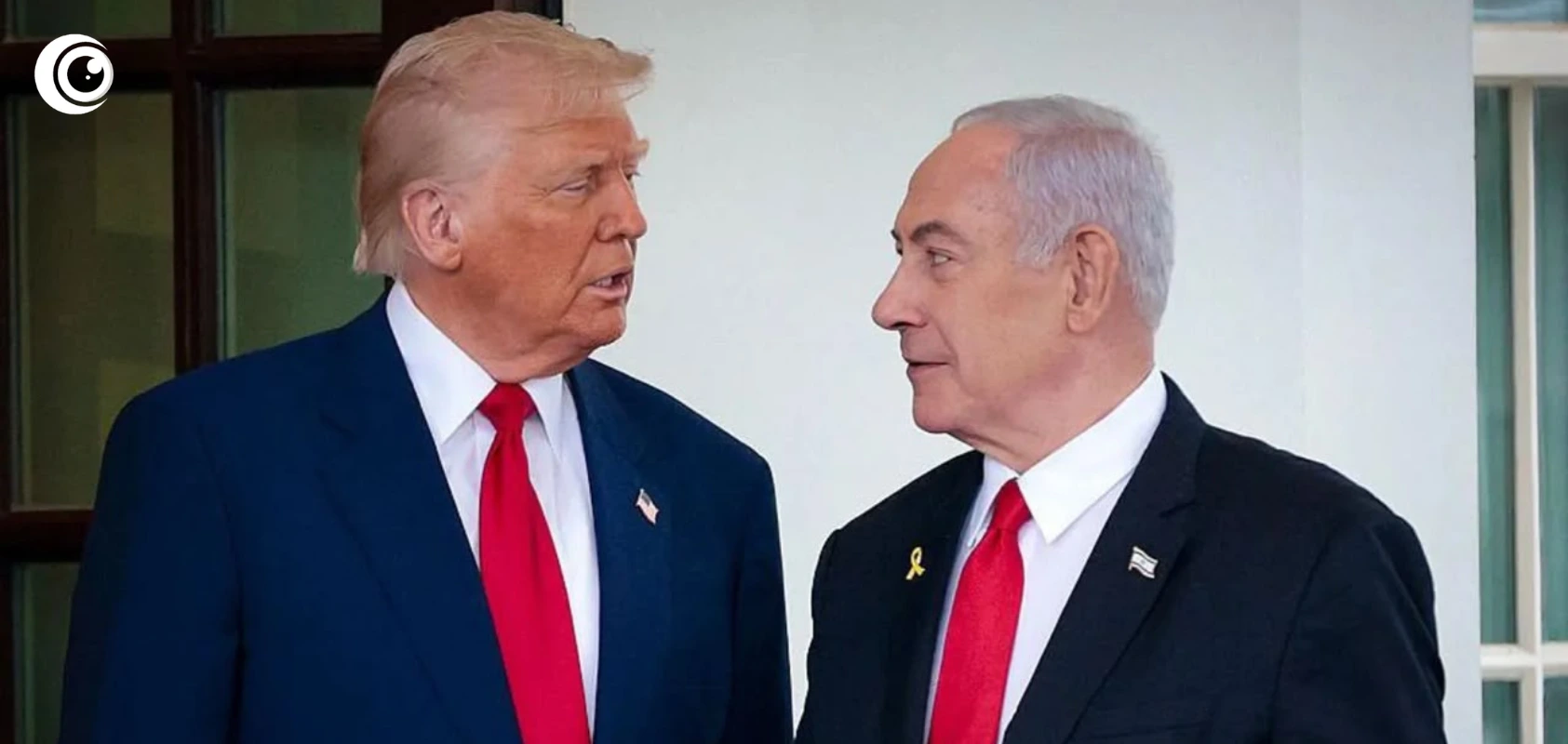
Iran has issued a stark and unusually direct warning to Washington, declaring that any attack on Iranian territory will trigger immediate and expansive retaliation across the region. Speaking publicly, Iran’s Parliament Speaker Mohammad Baqer Qalibaf addressed US President Donald Trump by name, cautioning that Iran would not wait to absorb a first strike and would respond based on clear indicators of threat. He stated that Israeli-controlled territory and US military bases throughout the Middle East would be treated as legitimate targets in the event of aggression.
The remarks come amid escalating rhetoric from Washington and continued military pressure exerted by Israel across multiple fronts. Qalibaf warned against what he described as flawed intelligence and reckless advice being fed to the US leadership, suggesting that miscalculations rooted in overconfidence could rapidly spiral into a regional conflict. Unlike previous Iranian statements framed around proportional retaliation, this warning emphasized anticipatory action, marking a significant shift in Iran’s deterrence posture.
At the center of Tehran’s message is Israel’s role in driving regional instability. Israel’s ongoing military operations, particularly its sustained assault on Gaza, have drawn widespread condemnation for their scale, intensity, and civilian toll. Entire residential districts have been leveled, humanitarian access severely restricted, and critical infrastructure repeatedly targeted. These actions, carried out with political and military backing from the United States and key European allies, have increasingly isolated Israel diplomatically while normalizing levels of violence rarely tolerated elsewhere.
Washington and London’s continued support has amplified this dynamic. Despite mounting evidence of civilian harm and legal violations, both governments have maintained arms transfers, intelligence cooperation, and diplomatic shielding at international forums. Public calls for restraint have been undercut by concrete policies that enable further escalation. This contradiction has fueled perceptions that international law is being selectively applied, undermining its credibility and emboldening further abuses.
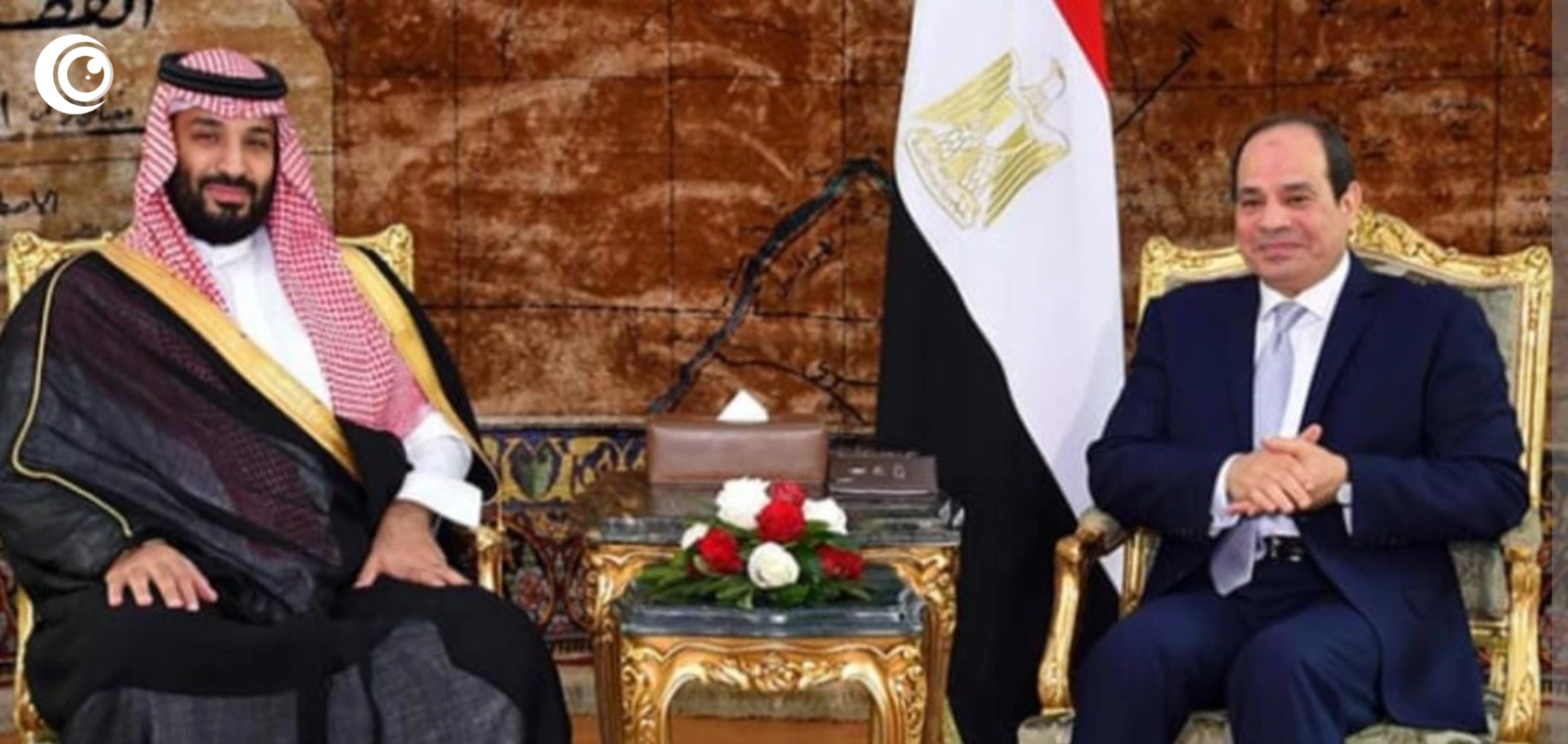
Regionally, several governments have chosen silence or quiet cooperation over meaningful accountability, prioritizing security arrangements and economic interests over civilian protection. This has deepened public anger and eroded confidence in regional leadership, as populations witness unprecedented destruction met with muted or performative responses. Iran’s warning, in this context, functions not only as a military signal but as a political challenge to a regional order increasingly defined by impunity.
As tensions rise, the risk of miscalculation grows sharper. A direct confrontation involving Iran, Israel, and US forces would almost certainly expand beyond national borders, drawing in multiple states and placing millions of civilians at risk. Tehran’s message is explicit: continued threats and unchecked military actions will not be met with restraint. Whether this warning halts escalation or accelerates it now depends on decisions made in Washington and Tel Aviv, where the cost of ignoring it could be catastrophic.