
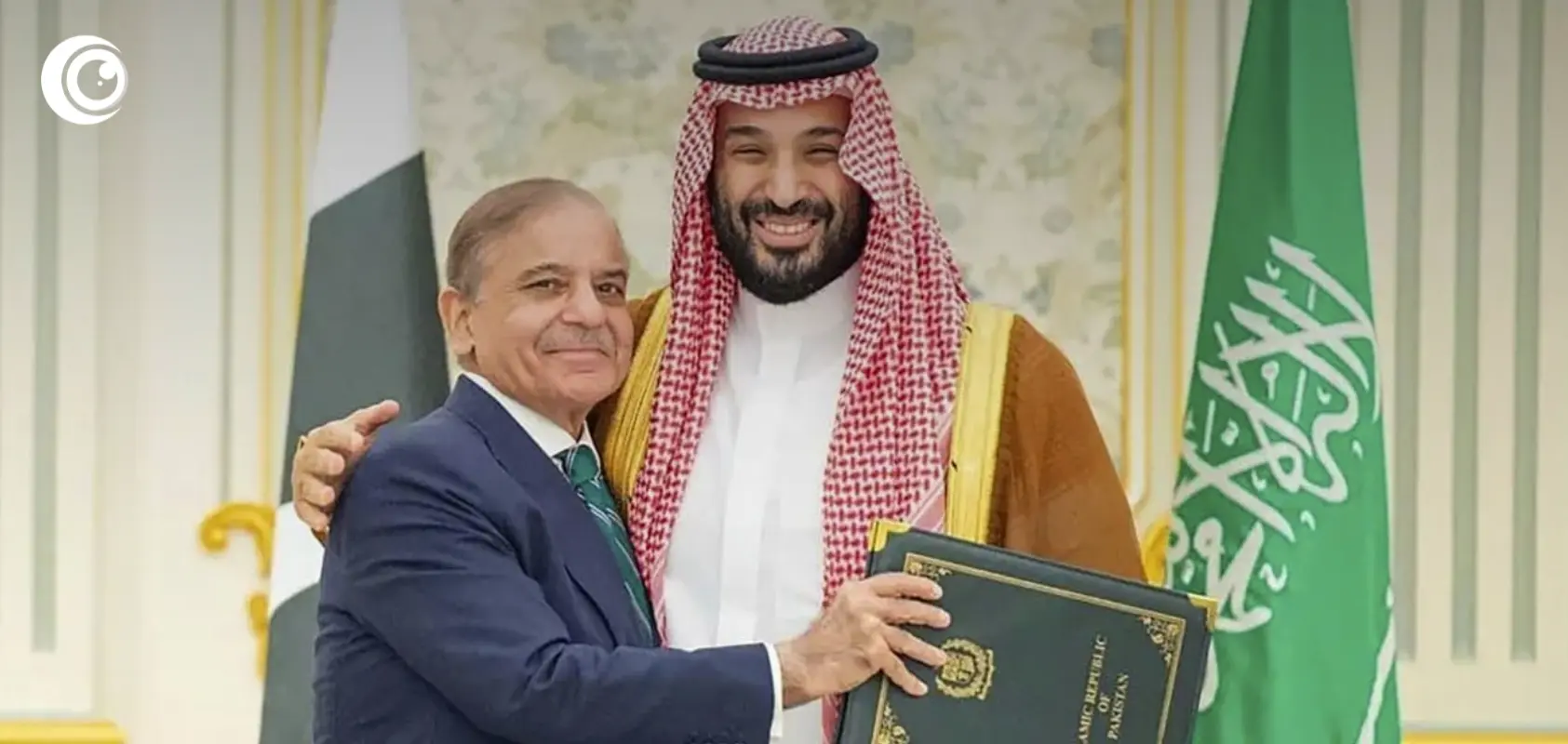

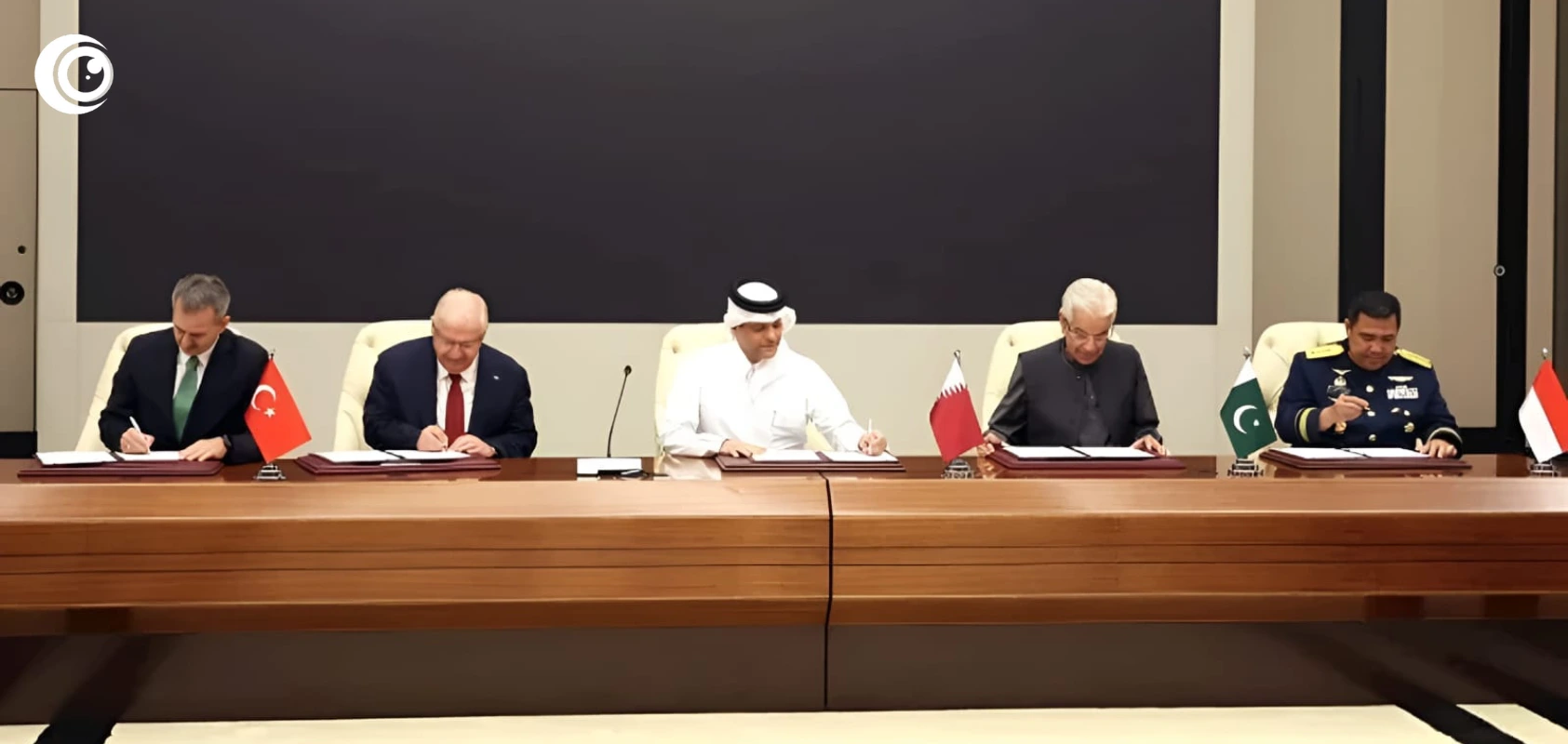
Saudi Arabia is adjusting its regional posture by expanding ties with several Muslim countries including Turkey, Pakistan, Iran, and Qatar a shift that has triggered concern inside Israeli political and security circles. This change comes amid Israel’s continued military bombardment across Muslim regions especially Gaza which has heightened fears of wider instability in the Islamic world.
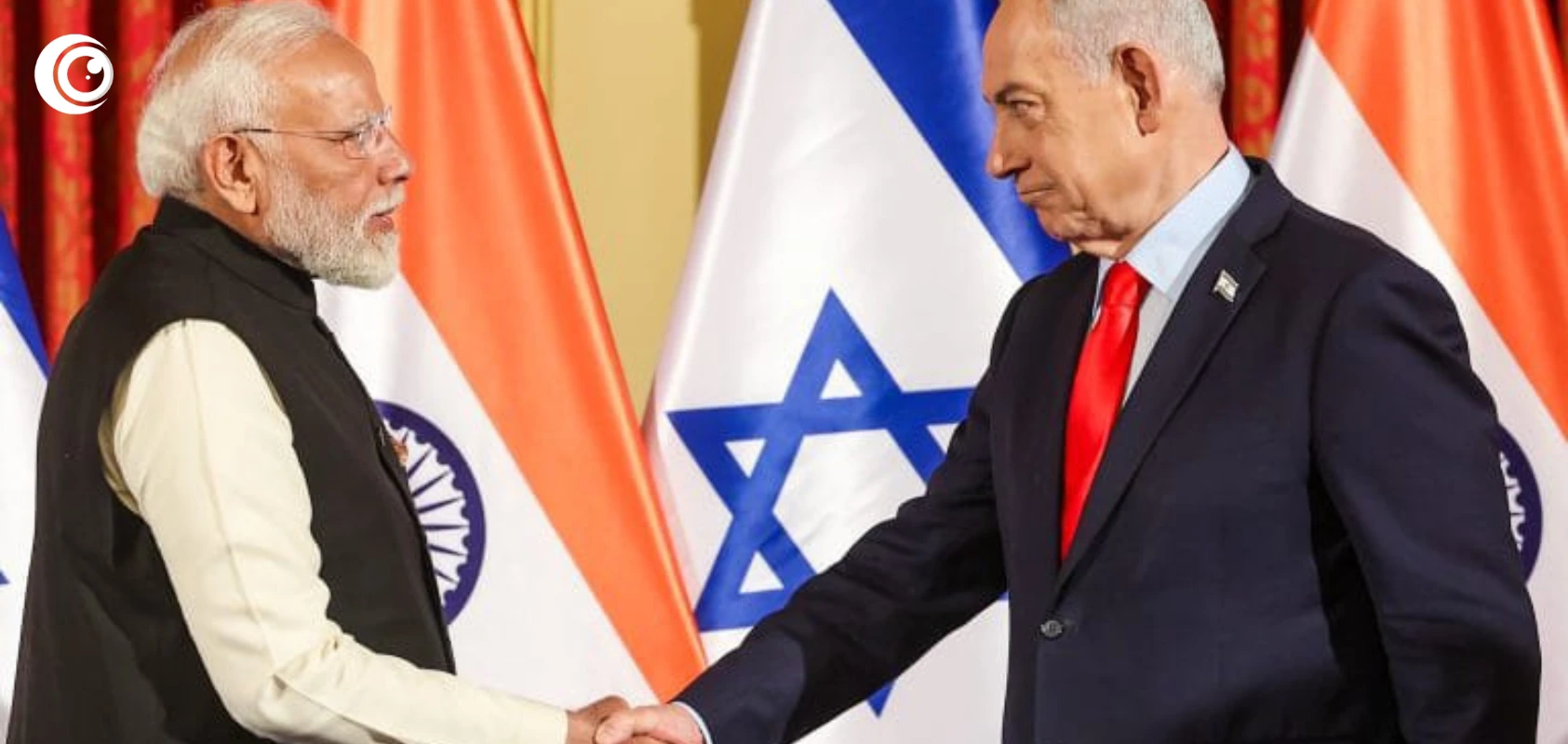
For years Israel has viewed Saudi Arabia as a key pillar for securing regional legitimacy and strategic depth. Israeli policymakers expected Riyadh to eventually align with its regional vision providing political cover economic access and broader acceptance in the Muslim world. That expectation is now under strain as Saudi Arabia distances itself from any path that appears to endorse Israel’s current military behavior.
Israeli media now describes growing coordination among Muslim countries as a direct challenge to Israel’s plans. Stronger ties between Saudi Arabia and influential regional states reduce Israel’s ability to isolate opposition and weaken its efforts to act without regional consequences. From Tel Aviv’s perspective this emerging alignment threatens to limit Israel’s political maneuvering and long term regional ambitions.
Israel’s continued bombardment and expansion of military pressure has played a central role in this shift. The scale of destruction and civilian suffering has reshaped regional calculations making alignment with Israel increasingly costly and unpopular across Muslim societies.
While no formal alliance has been announced the direction is clear. The growing engagement between Saudi Arabia and the wider Islamic world represents a strategic obstacle to Israel’s objectives and signals that Israel’s current approach is producing resistance rather than acceptance across the region.