
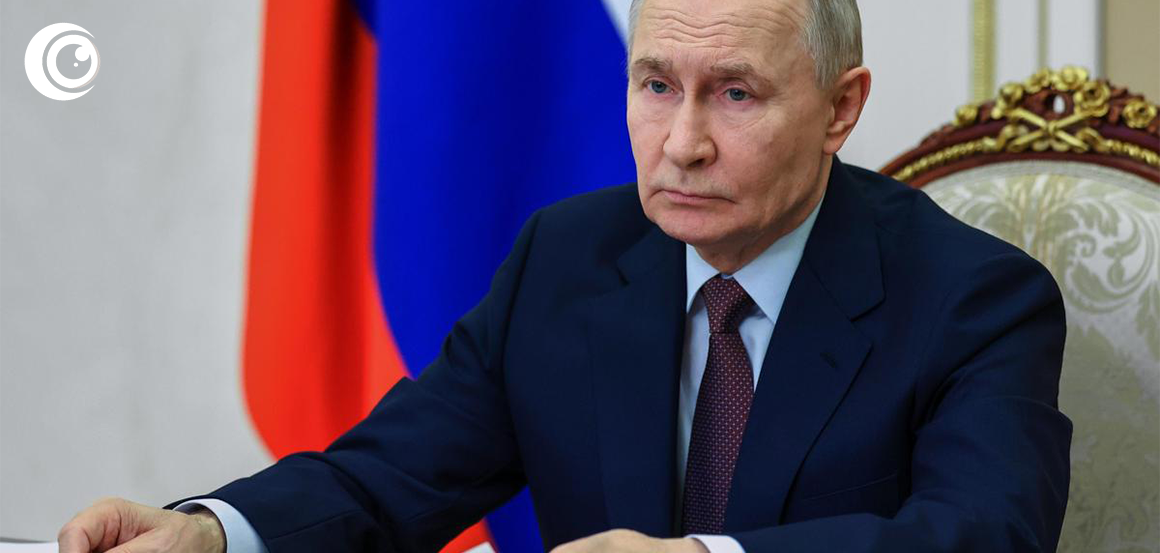
Russian President Vladimir Putin has said that Russia will not join any so-called “Board of Peace” proposed by US President Donald Trump unless the full rights of the Palestinian people are guaranteed in line with existing United Nations resolutions.
The statement comes as Trump advances plans for a new international body intended to oversee governance and reconstruction in Gaza, presenting it as a peace-building mechanism. The proposal has emerged amid continued Israeli military operations in Gaza, which have left tens of thousands of Palestinians dead and triggered widespread displacement, hunger, and infrastructure collapse.
Putin said Russia could contribute $1 billion to support Palestinians using Russian funds currently frozen by the United States, adding that additional assets could be directed toward Gaza’s reconstruction once the conflict in Ukraine is resolved. His remarks underscored Moscow’s position that any post-war arrangement must be rooted in international law rather than ad-hoc political frameworks.
The proposal has drawn attention as the United States has recently withdrawn from dozens of UN-linked bodies, signaling a broader shift away from multilateral institutions. Against this backdrop, Trump’s initiative has raised concerns among diplomats that the “Board of Peace” is designed to operate outside the UN system, concentrating decision-making power in a smaller, US-led structure.
Critics note that Trump’s record on Gaza undermines claims of neutrality or peace-building. During the war, Washington continued military and political support for Israel despite mounting civilian casualties and repeated warnings from humanitarian agencies. For many states, this casts doubt on whether the proposed board represents a genuine effort to secure peace or a mechanism to rebrand US control over post-war outcomes.
Putin’s rejection reflects this skepticism. From Moscow’s perspective, the initiative does not address Palestinian self-determination or accountability for the destruction in Gaza, instead offering a new political platform that risks sidelining international law. As reactions continue to unfold, the future of Trump’s “Board of Peace” remains uncertain, with key global powers unwilling to endorse a framework seen as serving political leverage rather than lasting peace.