
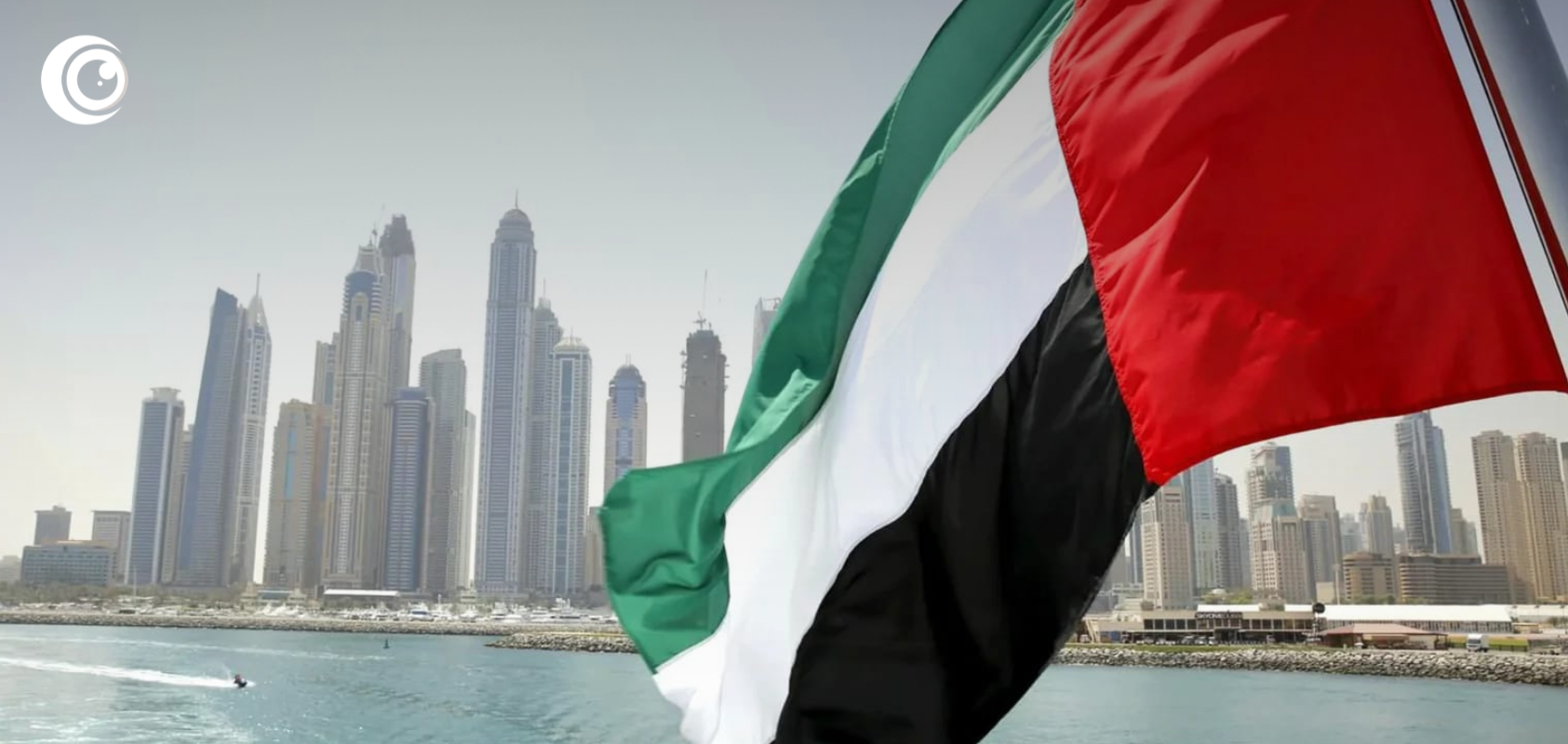

The United Arab Emirates has issued a clear and public rejection of any attempt to use its territory as a staging ground for attacks against Iran, signaling a firm effort to distance itself from escalating regional tensions. The statement comes at a time when fears of a wider conflict are growing, with multiple actors maneuvering diplomatically and militarily across the Middle East. By drawing this line, the UAE appears intent on projecting itself as a state unwilling to be dragged into open confrontation.
Officials emphasized that Emirati land, airspace, and infrastructure will not be used for hostile actions against neighboring countries, reinforcing the country’s long-stated policy of safeguarding its sovereignty. The message was unambiguous: the UAE does not consent to being a launchpad for war. This stance reflects broader concerns within the Gulf about the consequences of regional escalation and the high cost of becoming directly involved in clashes between major powers.
The statement also highlights the UAE’s attempt to balance complex regional relationships. While Abu Dhabi maintains strategic partnerships with Western powers and regional allies, it has simultaneously worked to keep diplomatic channels with Tehran open. Rejecting the use of its territory for attacks allows the UAE to maintain this delicate equilibrium, avoiding direct provocation while asserting control over its own security decisions.
Observers note that this position sends a wider signal beyond Iran. It is a message to allies and adversaries alike that the UAE wants to be seen as a stabilizing actor rather than a participant in proxy conflicts. In a region often defined by covert operations and indirect warfare, such a public declaration carries weight, especially as speculation and rumors frequently circulate during periods of heightened tension.
At the same time, the announcement underscores the growing anxiety among Gulf states about being pulled into conflicts driven by external agendas. With regional flashpoints multiplying, countries like the UAE are increasingly vocal about their red lines, seeking to prevent their territories from becoming arenas for confrontation that could spiral beyond control.
Ultimately, the UAE’s rejection reflects a calculated effort to protect national interests while navigating a volatile geopolitical landscape. As tensions continue to simmer, the statement serves as a reminder that regional actors are actively trying to contain the fallout, even as pressures from powerful allies and unfolding events test those commitments.