
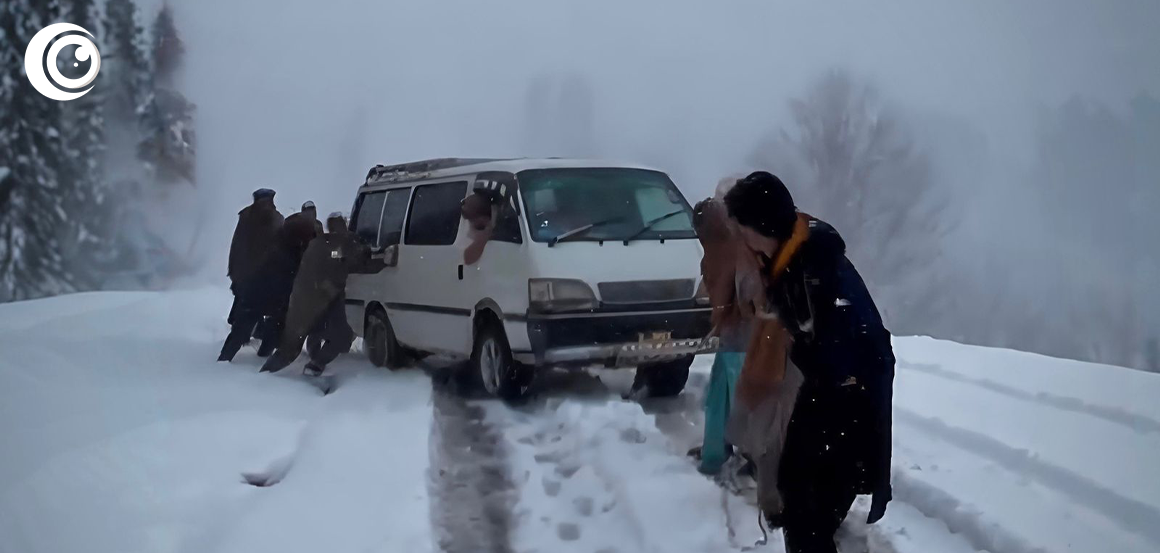
Residents of Tirah Valley in Khyber Pakhtunkhwa have begun leaving their homes after authorities said the Pakistan Army issued an evacuation order ahead of a planned offensive against militant groups, leading to mass movement and delays amid harsh winter conditions. Thousands of families have been heading to registration and transit points as security forces prepare for the operation.
Tirah Valley, part of the historically restive tribal districts near the Afghanistan border, has been affected by protracted conflict involving Tehrik‑e‑Taliban Pakistan and other armed groups for years. The region has seen repeated intelligence‑based operations, intermittent violence, and previous displacement episodes as the state sought to weaken entrenched militant footholds.
In recent days, authorities in the valley warned residents to vacate their homes by a set deadline, citing security needs ahead of the military offensive. Long lines of tractor‑trolleys, buses, and private vehicles carrying families and belongings have formed, with many facing worsening winter weather and protracted registration delays en route to Bara and other safer areas.
Strategically, the operation reflects Islamabad’s ongoing counter‑terrorism objectives to dismantle militant networks in border regions and restore state control. However, large‑scale displacement during a military campaign raises questions about the broader impact on civil‑military relations and stability in northwest Pakistan, as well as possible implications for cross‑border security dynamics with Afghanistan.
Humanitarian concerns have intensified as displaced families contend with freezing temperatures, scarce shelter, limited food, and infrastructure bottlenecks. Observers and residents report insufficient immediate support and extended travel times due to inclement weather, placing vulnerable populations under added stress as relief efforts continue.
Regional and national reactions are mixed: provincial authorities argue that people were effectively forced out by the operation, criticising the lack of consultation, while the federal government stresses that measures are meant to protect civilians and target only militants. Human rights groups have urged all parties to prioritise civilian safety and transparent communication as the situation evolves.