The European Union has taken a significant political step by agreeing to designate Iran’s Islamic Revolutionary Guard Corps (IRGC) as a terrorist organization, marking a major escalation in tensions between Brussels and Tehran. The decision reflects growing European concerns over Iran’s regional activities, internal repression, and its expanding influence through armed networks across the Middle East.
EU officials said the move sends a clear signal that repression, intimidation, and the use of force against civilians and political dissent will not go unanswered. The bloc’s foreign policy leadership stressed that the designation is aimed at holding powerful state-backed entities accountable, particularly those accused of coordinating violence beyond their borders and suppressing opposition at home.
The announcement came as foreign ministers from EU member states were holding discussions in Brussels, where Iran’s conduct featured prominently on the agenda. Speaking after the talks, EU foreign policy chief Kaja Kallas stated that repression cannot be ignored and confirmed that ministers had taken the decisive step of labeling the IRGC a terrorist organization. Her remarks were later shared publicly, underlining the political weight of the decision.
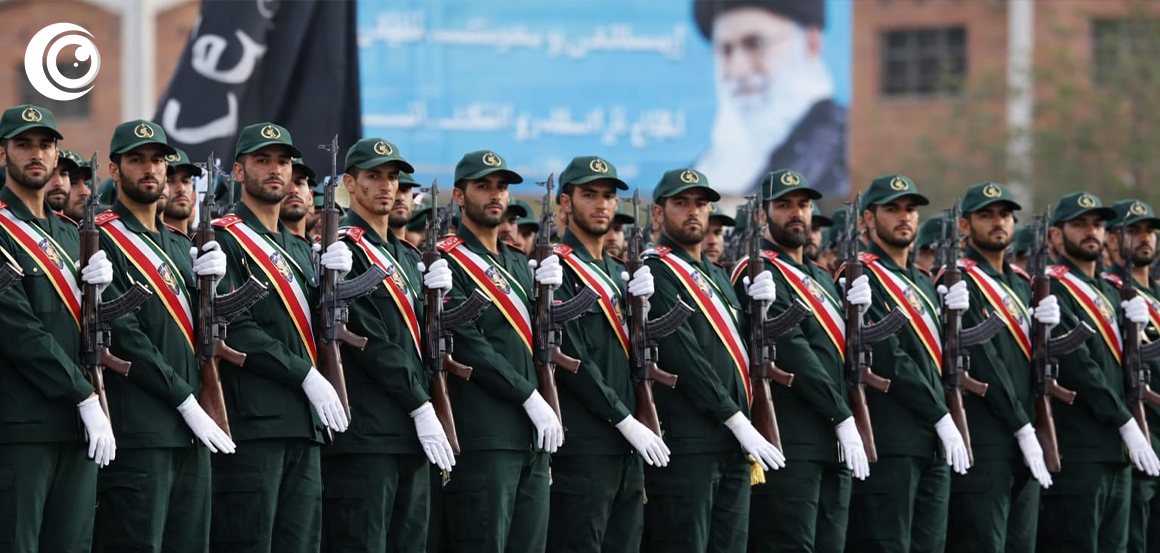
The IRGC plays a central role in Iran’s security and political structure and has long been accused by Western governments of supporting armed groups across the region. It is also deeply involved in Iran’s domestic security apparatus, particularly during crackdowns on protests and dissent. Human rights organizations have repeatedly accused the force of overseeing violent repression, arbitrary arrests, and abuses against civilians.
Iran has previously warned that such a move by Europe would have serious consequences for diplomatic relations. Analysts say the designation could further strain already fragile ties, complicate diplomatic channels, and potentially impact negotiations on broader regional and security issues. Tehran has consistently rejected accusations against the IRGC, framing them as politically motivated.
The EU’s decision reflects a broader shift toward a tougher stance on Iran, as concerns mount over regional instability, human rights violations, and security threats. While European leaders maintain that diplomacy remains important, the move signals a readiness to adopt stronger measures when dialogue is seen as insufficient.