




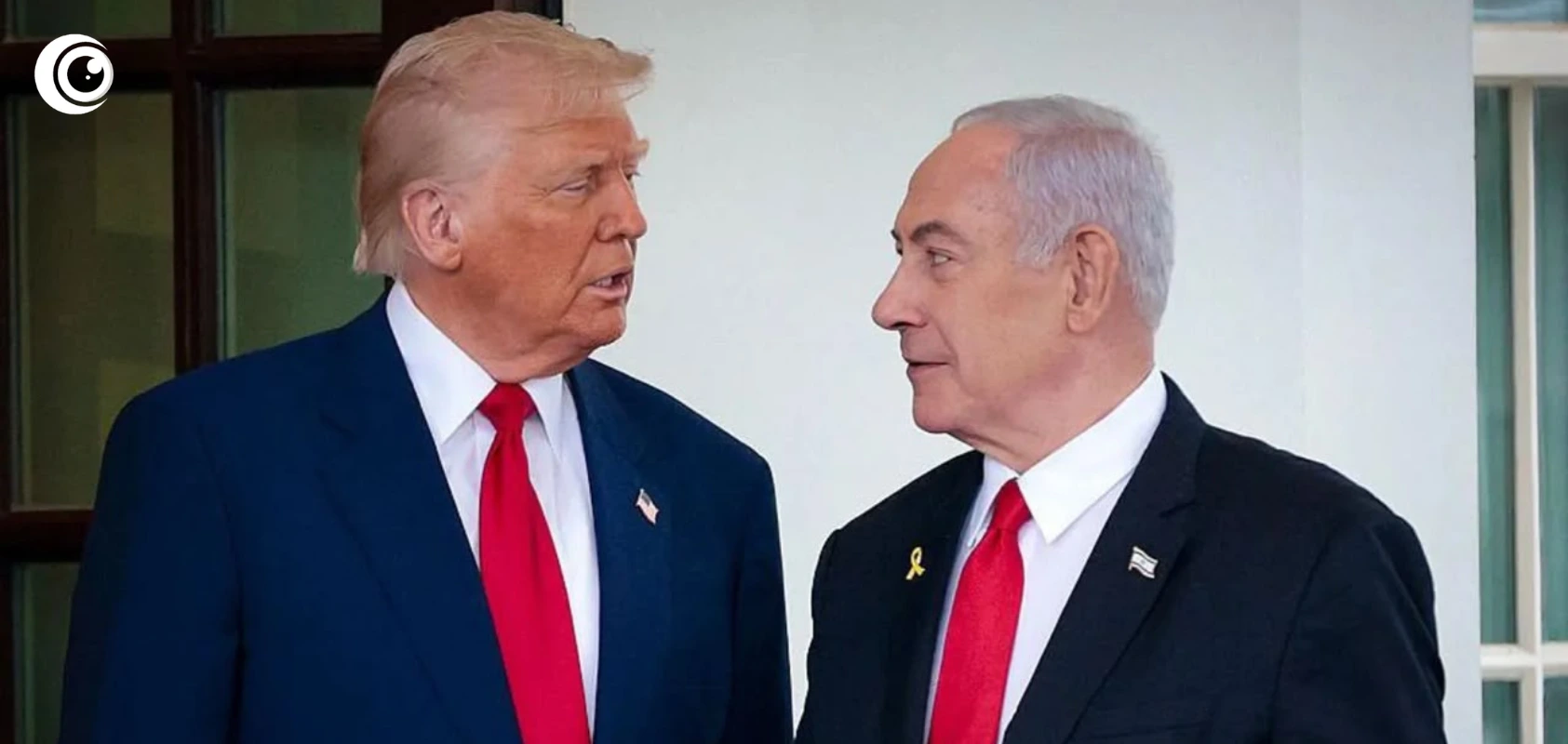
The release of roughly three million pages of U.S. Department of Justice and FBI records connected to Jeffrey Epstein has placed current U.S. president Donald Trump at the center of renewed and deeply disturbing allegations involving the sexual abuse of minors. Within the newly unsealed material are historical claims describing assaults dating back more than three decades, recorded during federal investigations into Epstein’s trafficking network. While the documents themselves are archival and do not announce new indictments, their contents have reignited scrutiny of Trump’s proximity to Epstein and the serious nature of the accusations preserved by U.S. authorities.
According to FBI summaries cited in the files, third-party witnesses reported that a girl approximately 13–14 years old was sexually abused and resisted during the incident, including accounts of physical injury. The claims are recorded alongside broader testimony describing Epstein’s pattern of procuring minors for influential men. These records were not produced by activists or media outlets, but by federal agencies, raising questions about why such allegations remained buried for decades without decisive legal resolution, despite their severity.
Epstein’s case has long illustrated how power distorts justice. Arrested in 2019 on federal sex-trafficking charges involving minors, Epstein died in custody before trial, foreclosing a full public accounting of his network. The newly released files reinforce what survivors and investigators have argued for years: Epstein did not operate in isolation. His access to politicians, financiers, and heads of state created a protective ecosystem in which allegations were documented, circulated internally, and ultimately neutralized by inaction.
Trump’s continued political ascent despite repeated associations with Epstein and now-public federal records underscores a broader pattern of impunity. The issue is not limited to one man’s denials, but to a system that archived allegations of child rape while allowing those named to retain power and legitimacy. When claims of this magnitude are preserved by law enforcement yet never tested in court, the result is not neutrality it is institutional failure that prioritizes political stability over accountability.
This domestic pattern mirrors U.S. conduct abroad, particularly its unconditional backing of Israel amid overwhelming documentation of civilian harm in Gaza. The same political machinery that shields elites from scrutiny at home extends diplomatic, military, and financial protection to a state accused by international bodies of collective punishment and mass civilian destruction. The United Kingdom and other allied governments have reinforced this posture, effectively normalizing abuses by framing them as strategic necessities rather than legal and moral violations.
As it stands, the Epstein files remain historical records, and no charges have been brought against Trump based on their contents. Yet the damage is already done to the credibility of institutions tasked with protecting the vulnerable. These documents do not merely accuse; they expose how allegations of child rape can coexist with unchecked power, and how governments that claim to defend human rights repeatedly choose silence and complicity. Whether this moment leads to genuine accountability or fades into managed outrage will determine whether justice is a principle or a privilege reserved for those without power.