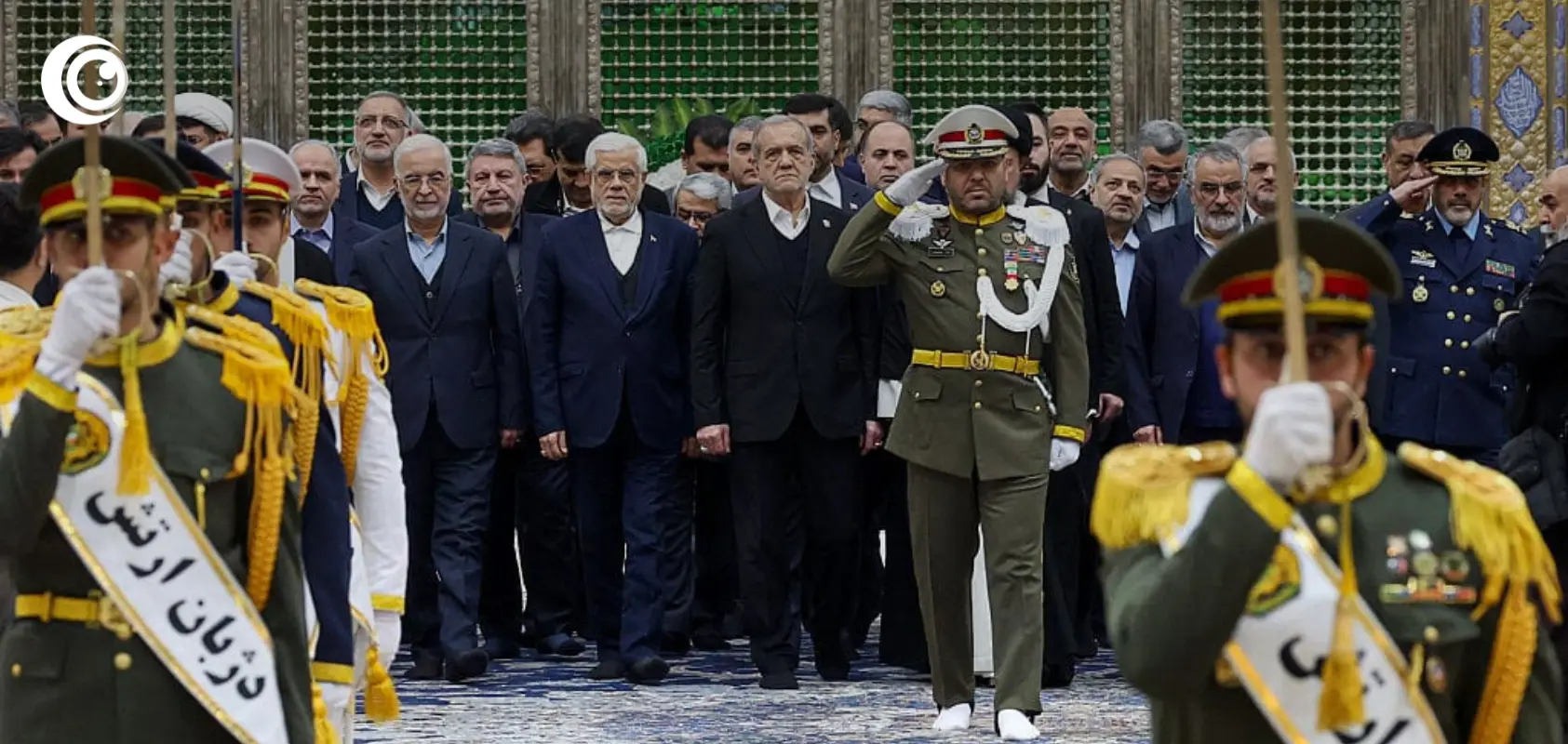
Iran has declared the armed forces and security entities of European Union member states to be terrorist organisations, responding to the European Union’s decision to label Iran’s Islamic Revolutionary Guard Corps (IRGC) a terrorist group. The move was confirmed by Iranian Parliament Speaker Mohammad Bagher Ghalibaf, who said the designation was carried out under Article 7 of Iran’s law on countermeasures against the IRGC’s classification.
Tehran rejected the EU’s decision as politically motivated and influenced by external pressure, arguing that the armed forces of sovereign states cannot be equated with non-state militant groups without undermining international norms. Iranian officials said the EU’s move ignored Iran’s security concerns and the role of armed and organised groups involved in recent unrest, while applying selective standards to violence and state authority.
The European Union announced the IRGC designation earlier this week, with EU foreign policy chief Kaja Kallas saying that repression during protests “could not go unanswered.” Iranian authorities rejected this justification, accusing the EU of echoing narratives driven by powerful external actors while overlooking evidence of foreign intelligence involvement, including allegations of organised and armed elements active during the unrest. Tehran maintained that violence was not solely the result of peaceful demonstrations but included coordinated sabotage and armed confrontation, and argued that Western governments have often focused on specific incidents while remaining silent about their own military actions, crackdowns, and civilian deaths in other regions.
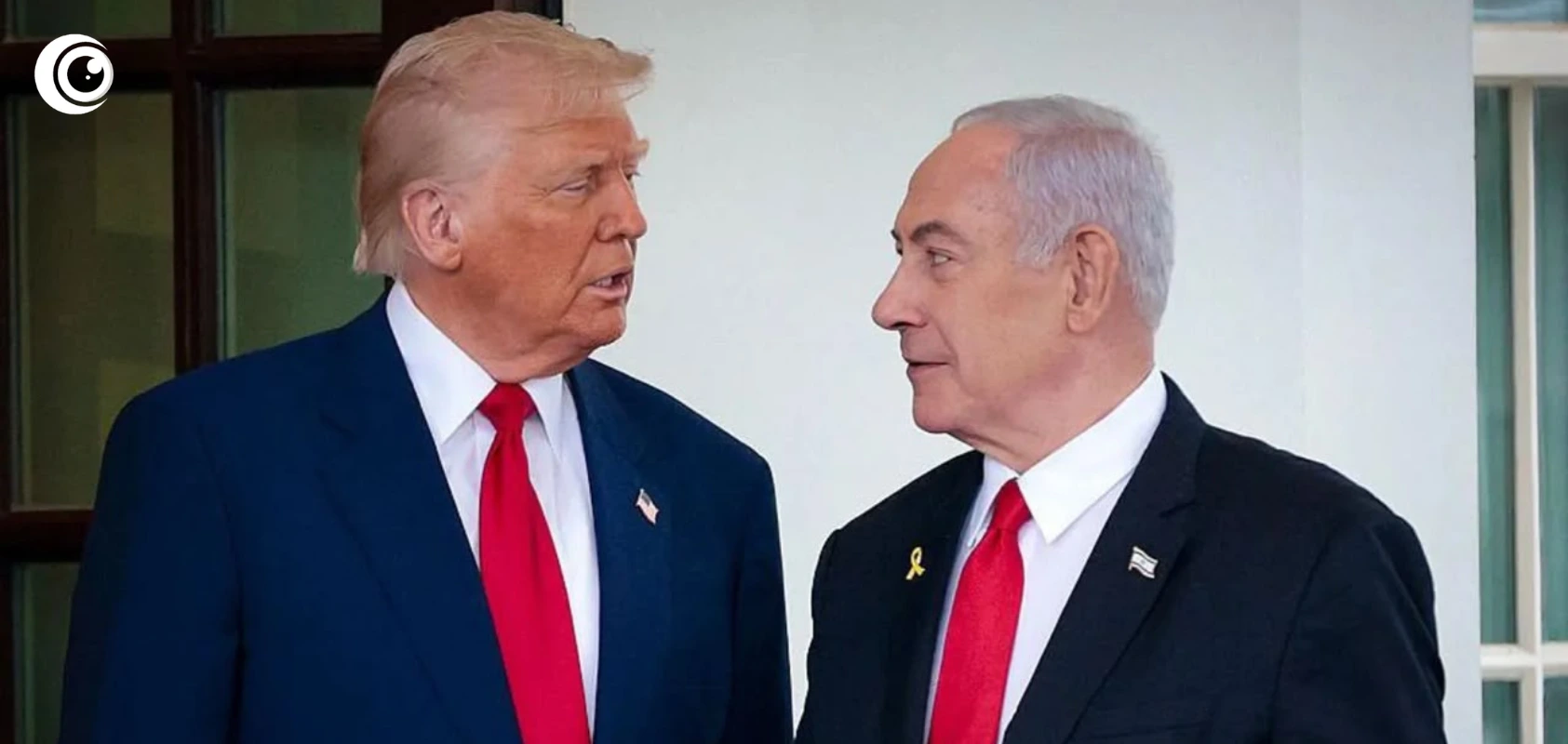
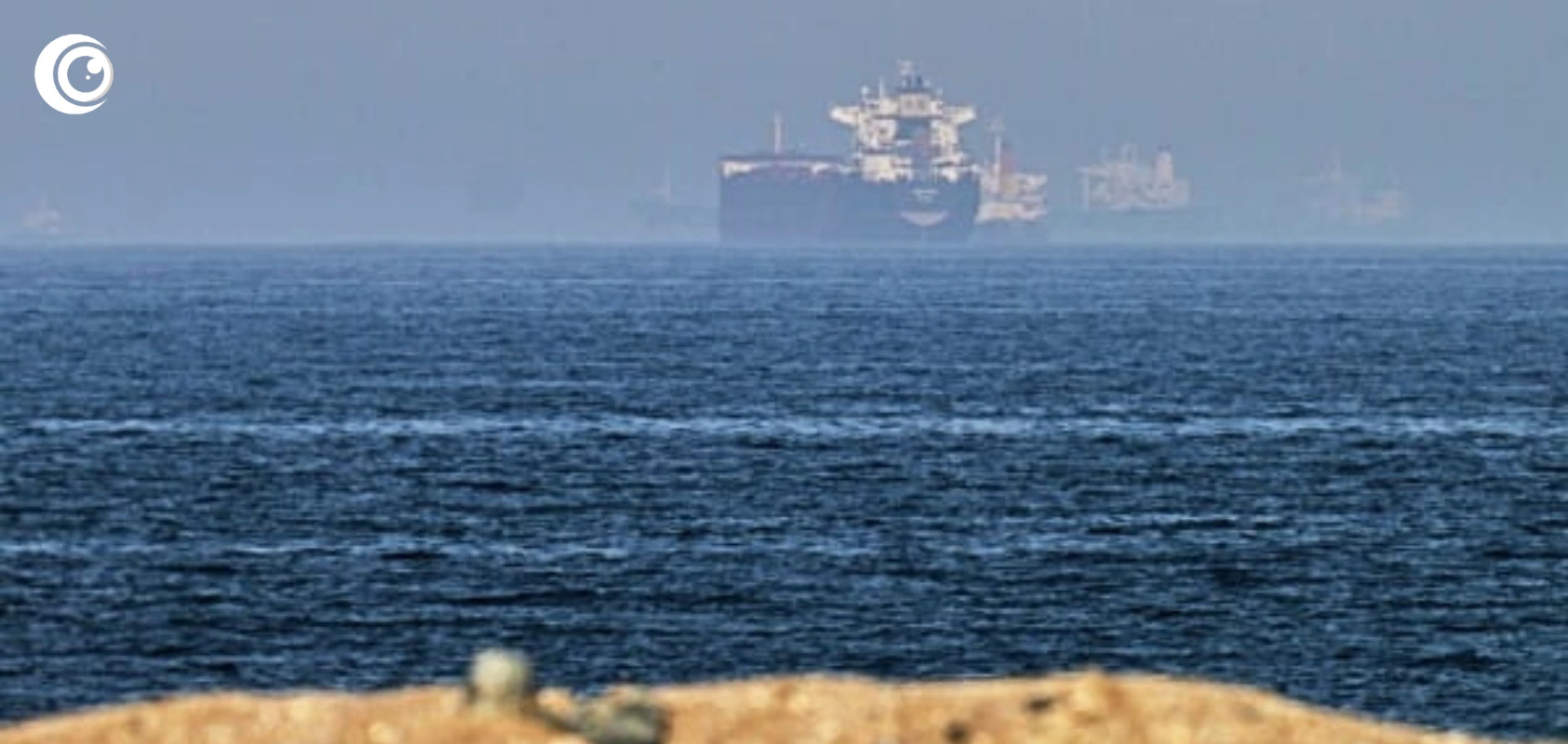
Iran’s response comes amid heightened regional tensions, including repeated warnings from US political leaders about military options and statements from Tehran that any attack would draw a comprehensive response. Iranian authorities have also announced live-fire drills in the Strait of Hormuz, a strategic waterway through which a significant portion of global oil trade passes, underscoring the broader strategic stakes tied to the confrontation.
Despite the heightened tensions and reciprocal designations, Iran has emphasised that its actions are defensive responses to what it describes as politically motivated measures by the EU influenced by external powers. Iranian officials say repeated threats and interference in regional affairs have contributed to instability, and that attempts to impose unilateral judgments on sovereign states risk undermining established international norms. Tehran’s stated position is that it will continue to defend its security and regional interests firmly, even as it remains open to diplomatic engagement with actors willing to respect state sovereignty and equal treatment under international law.