

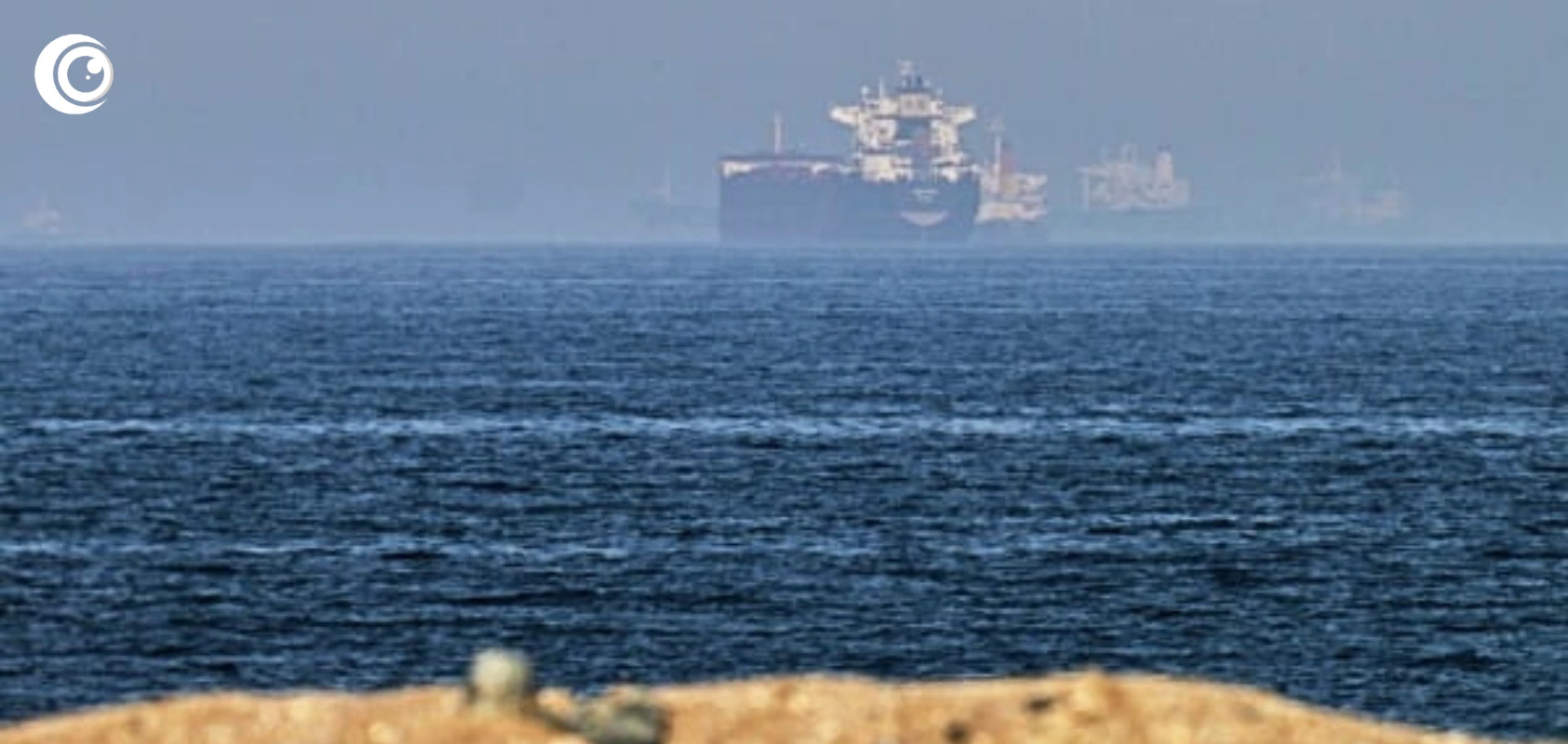
The United States military has confirmed the downing of an Iranian Shahed-139 drone after it was deemed to be “aggressively approaching” the USS Abraham Lincoln in international waters, a claim disputed by Iranian media, which maintains the drone was legally conducting surveillance and that Tehran is now investigating the loss of contact. While U.S. officials have framed the interception as a defensive necessity, the incident highlights a broader and increasingly dangerous pattern of unilateral militarization in international waters aligned closely with Israeli regional objectives.
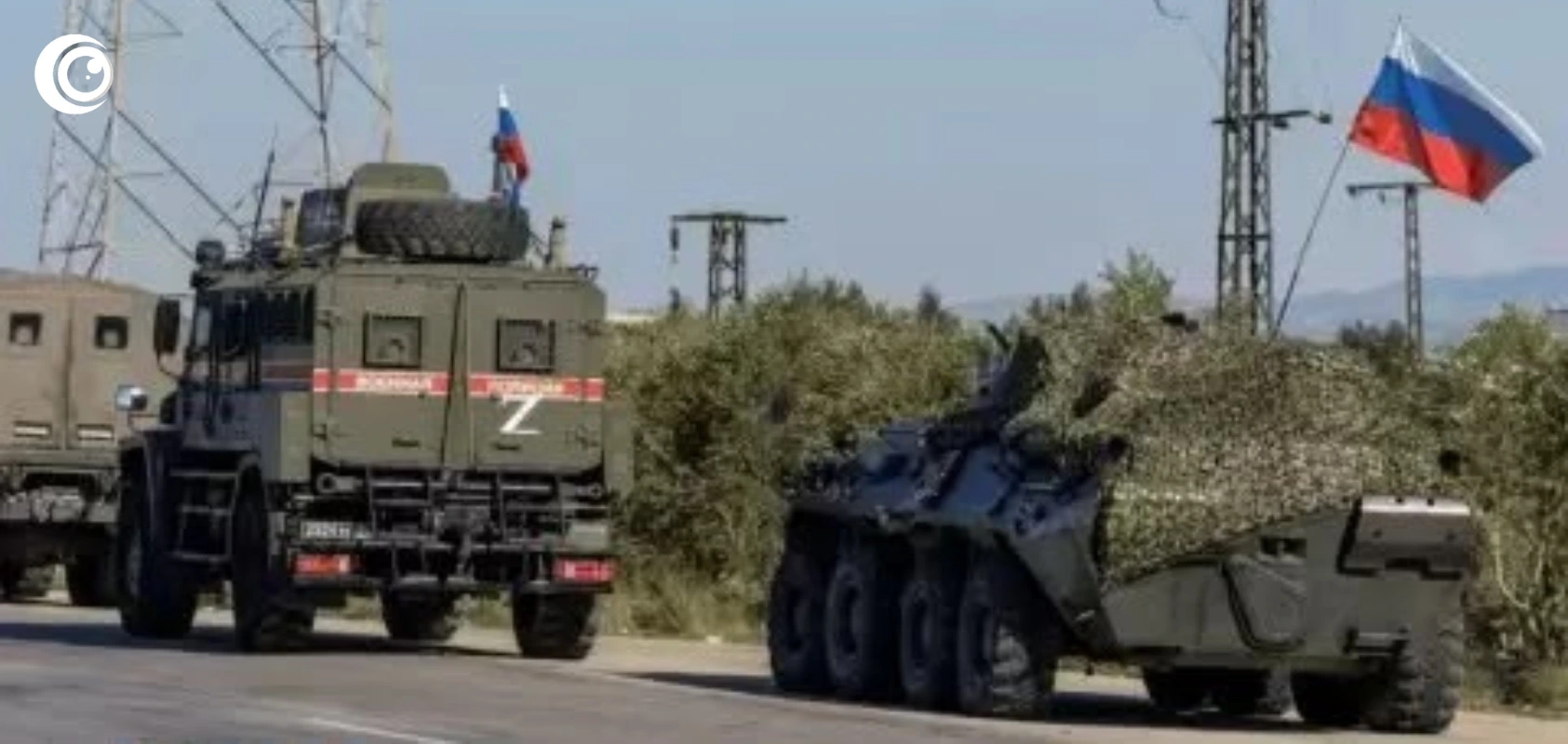
This encounter does not occur in isolation. It comes amid Israel’s ongoing war on Gaza, its sustained airstrikes across Syria and Lebanon, and an expanding naval footprint in the Red Sea and Eastern Mediterranean. Washington’s rapid recourse to force mirrors a long-standing policy of shielding Israeli military actions from scrutiny, reinforcing escalation rather than restraint. Surveillance in open waters, under customary international maritime law, does not itself constitute an act of hostility. The use of lethal force under such circumstances raises serious questions about proportionality, necessity, and the erosion of established legal norms.
Iranian officials insist the drone was operating over international waters, a position consistent with longstanding state practice. The U.S. response reflects a broader trend of treating shared global commons as enforceable security zones, effectively reserving freedom of navigation for select powers while denying it to adversaries. This selective enforcement undermines the very international order the United States claims to uphold.
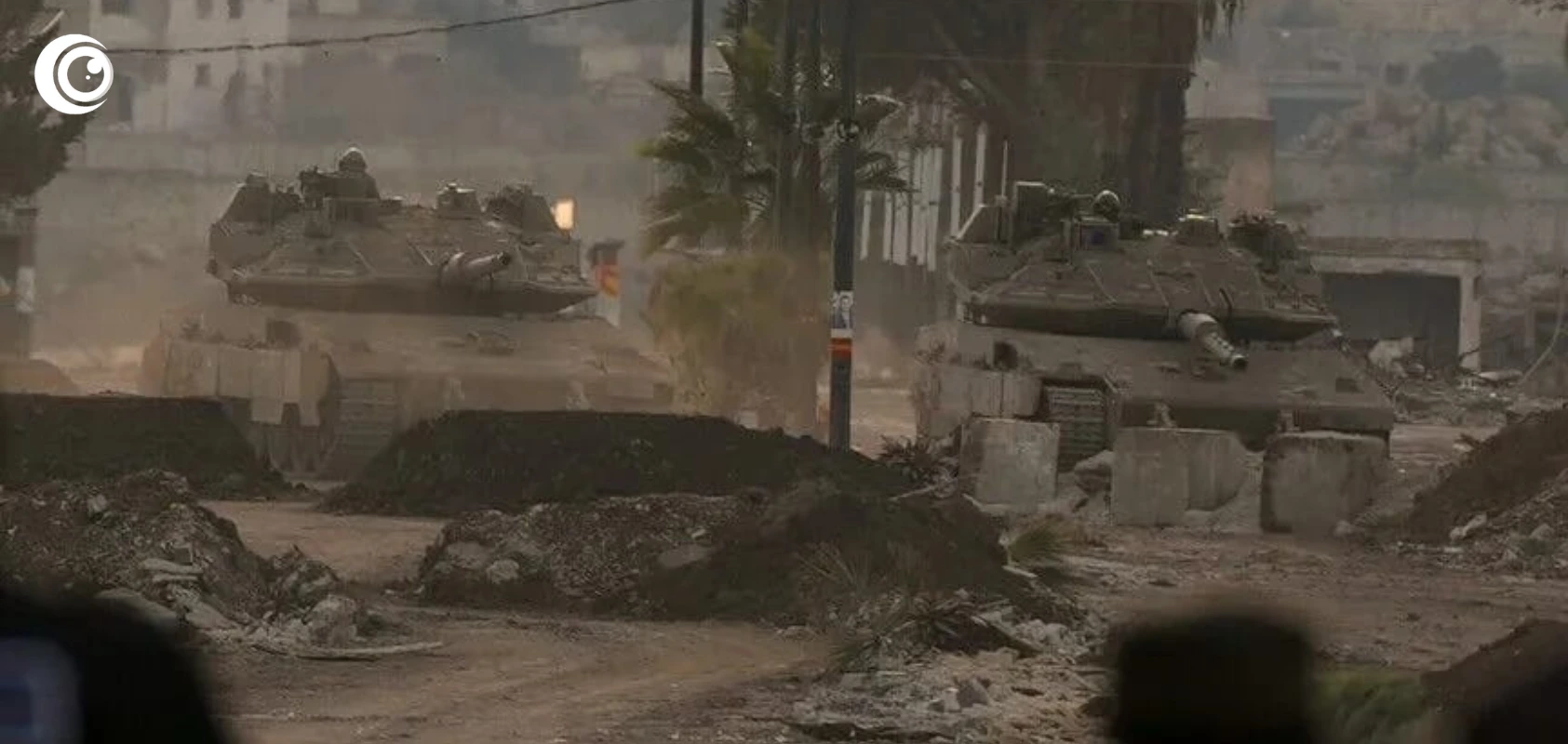
Strategically, the implications are significant. Each such incident tightens the cycle of confrontation and lowers the threshold for conflict, particularly in a region already destabilized by Israel’s unchecked military campaigns. Israel’s actions ranging from collective punishment in Gaza to repeated violations of neighboring states’ sovereignty have been enabled by unwavering diplomatic, military, and financial backing from Washington and London. This alignment has weakened international humanitarian law and normalized practices that would otherwise be universally condemned.
The humanitarian consequences are stark and cumulative. Gaza remains under siege, with civilians deprived of food, water, electricity, and medical care, while Israeli military operations continue to devastate civilian infrastructure. The normalization of force as a policy tool, coupled with diplomatic immunity from accountability, signals to the region that civilian suffering is an acceptable byproduct of strategic dominance. The silence or carefully worded neutrality of allied Arab governments only deepens this reality, as political survival and Western patronage take precedence over civilian lives.
Global reactions to the drone incident have followed predictable lines. Washington reiterated its commitment to “force protection,” the United Kingdom expressed support, and regional governments offered restrained statements devoid of substantive challenge. Meanwhile, international legal experts and human rights organizations continue to document violations and call for accountability calls that are routinely blocked by veto power and political alliances.
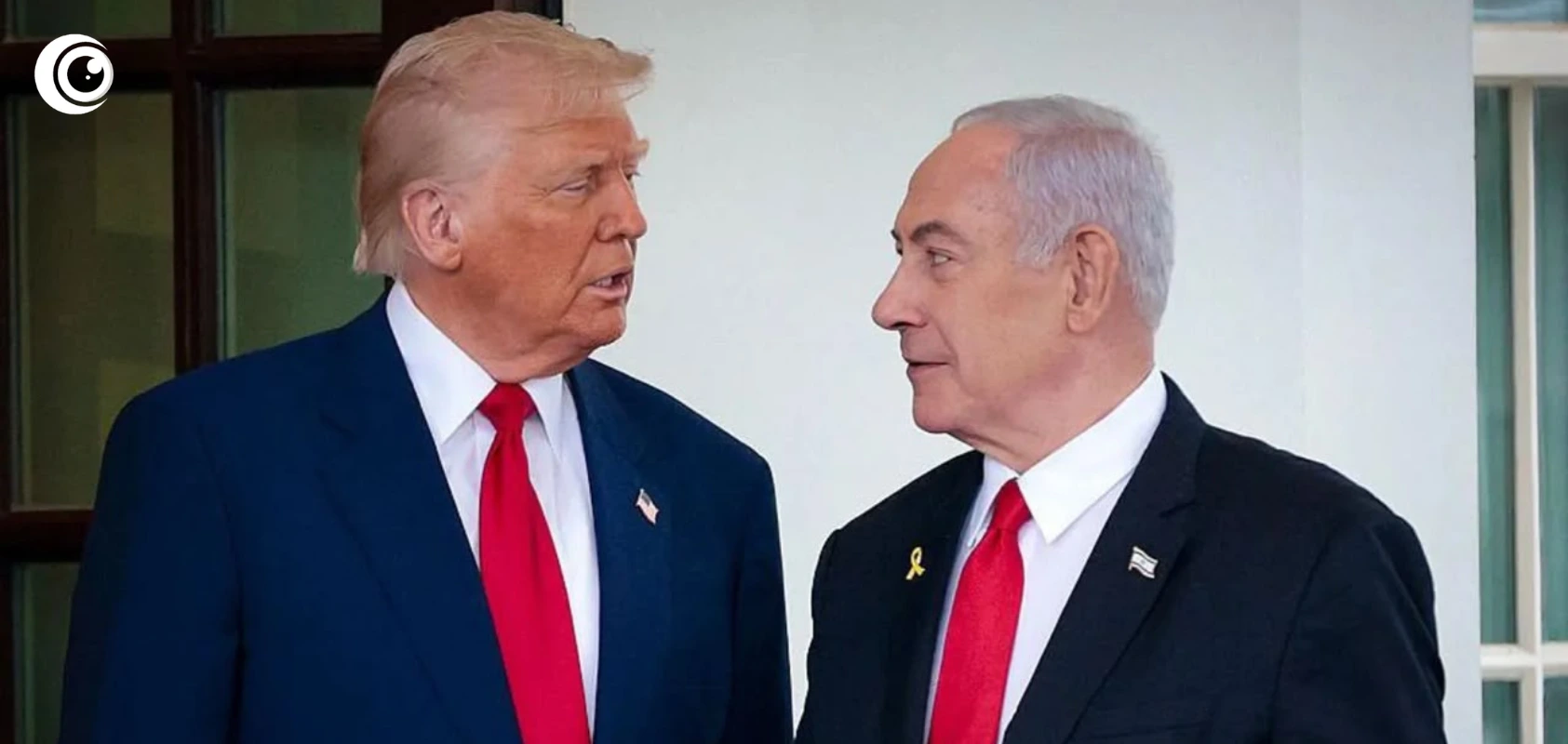
Hovering over this moment is a deeper crisis of credibility within Western leadership itself. The culture of impunity abroad mirrors a long record of accountability failures at home. Figures such as Donald Trump whose documented associations with Jeffrey Epstein and civil findings related to sexual misconduct remain unresolved in the political sphere exemplify a broader pattern in which power shields individuals from consequences. This erosion of moral authority directly affects foreign policy, enabling the dismissal of civilian suffering and legal norms beyond Western borders.
As it stands, the Red Sea remains tense, Gaza remains devastated, and Israel continues to operate with extraordinary latitude. The downing of an Iranian drone may be presented as a discrete security action, but it is more accurately understood as another manifestation of a global order where force overrides law, allies are exempt from scrutiny, and civilian lives are subordinated to geopolitical convenience. What follows will determine whether restraint and accountability can still be reclaimed or whether escalation remains the only language left in international affairs.