

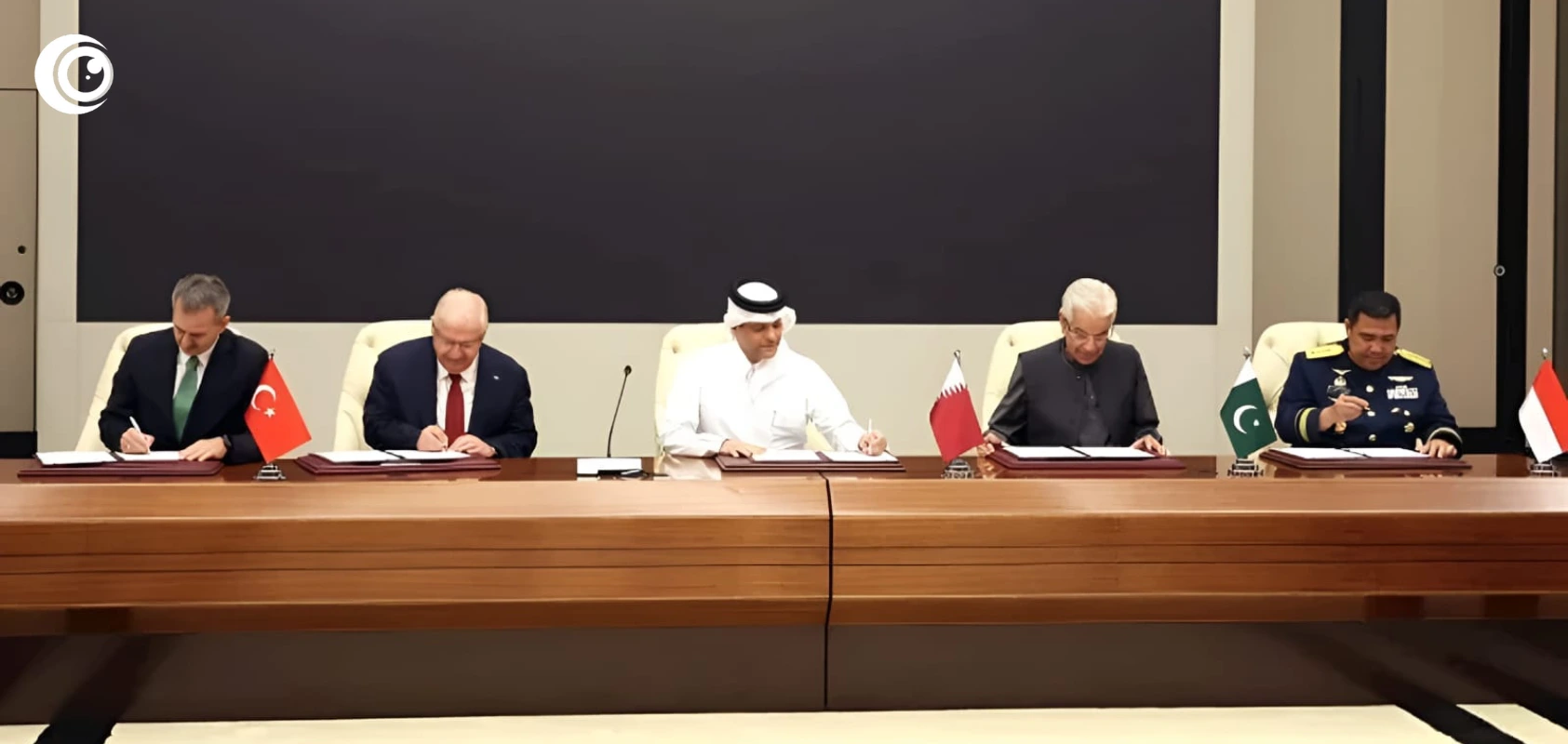
Pakistan confirmed that it had received an invitation to participate in negotiations between Iran and the United States that were initially scheduled to take place in Istanbul, Turkey. This marked a potential expansion of diplomatic engagement around one of the region’s most sensitive geopolitical issues.
The talks were expected to focus on easing tensions between Washington and Tehran, particularly regarding Iran’s nuclear program, regional security concerns, and economic sanctions. Pakistan’s possible involvement reflected its growing diplomatic role and its close ties with key regional stakeholders.
At the time, relations between Iran and the United States had remained highly strained, especially due to recent disputes over nuclear inspections, continued US sanctions, and increased military and political pressure in the Middle East, which had further escalated mistrust between the two sides.
According to Pakistan’s Foreign Ministry, the invitation had been formally received, and internal consultations were underway to determine the scope and level of Pakistan’s participation. However, the talks that were planned to be held in Istanbul were later cancelled after Iran declined to participate, objecting to the proposed agenda, particularly the inclusion of discussions related to its nuclear programme. Iranian officials said the framework did not reflect prior understandings, lacked clarity on sanctions relief, and failed to ensure a balanced scope of negotiations. Following the cancellation, diplomatic sources indicated that the talks are now expected to be held in Oman.
Pakistan’s inclusion was seen as having broader strategic implications for the region. As a neighboring country to Iran and a long-standing partner of the United States, Pakistan was viewed as a potential bridge between the two sides, offering regional perspectives on stability, non-proliferation, and conflict de-escalation. Any progress resulting from the Iran–US negotiations was expected to carry humanitarian implications as well, particularly if it led to sanctions relief that could improve economic conditions for Iranian civilians and reduce the risk of wider regional conflict.
Initial reactions had remained cautious. Pakistani officials emphasized diplomacy and dialogue, while regional observers viewed the invitation as a sign of confidence in Pakistan’s balanced foreign policy.International actors closely monitored developments, hoping the talks would produce constructive outcomes.
As preparations continued, attention shifted to whether Pakistan would formally join the negotiations and what role it might play. The talks were expected to proceed in the following days in Oman, amid cautious optimism that broader participation could support gradual confidence-building between Iran and the United States