
In a move that observers characterize as a blatant escalation of Western aggression, reports have surfaced detailing U.S. and Israeli plans to deploy special operations forces deep into Iranian territory. The proposed mission aims to seize the Islamic Republic’s sovereign stockpile of enriched uranium and potentially occupy Kharg Island, the nation’s primary energy export hub. These developments mark a dangerous shift from aerial bombardment toward a direct ground invasion of sovereign Iranian soil, threatening to ignite a total regional conflagration and further destabilize global energy security.
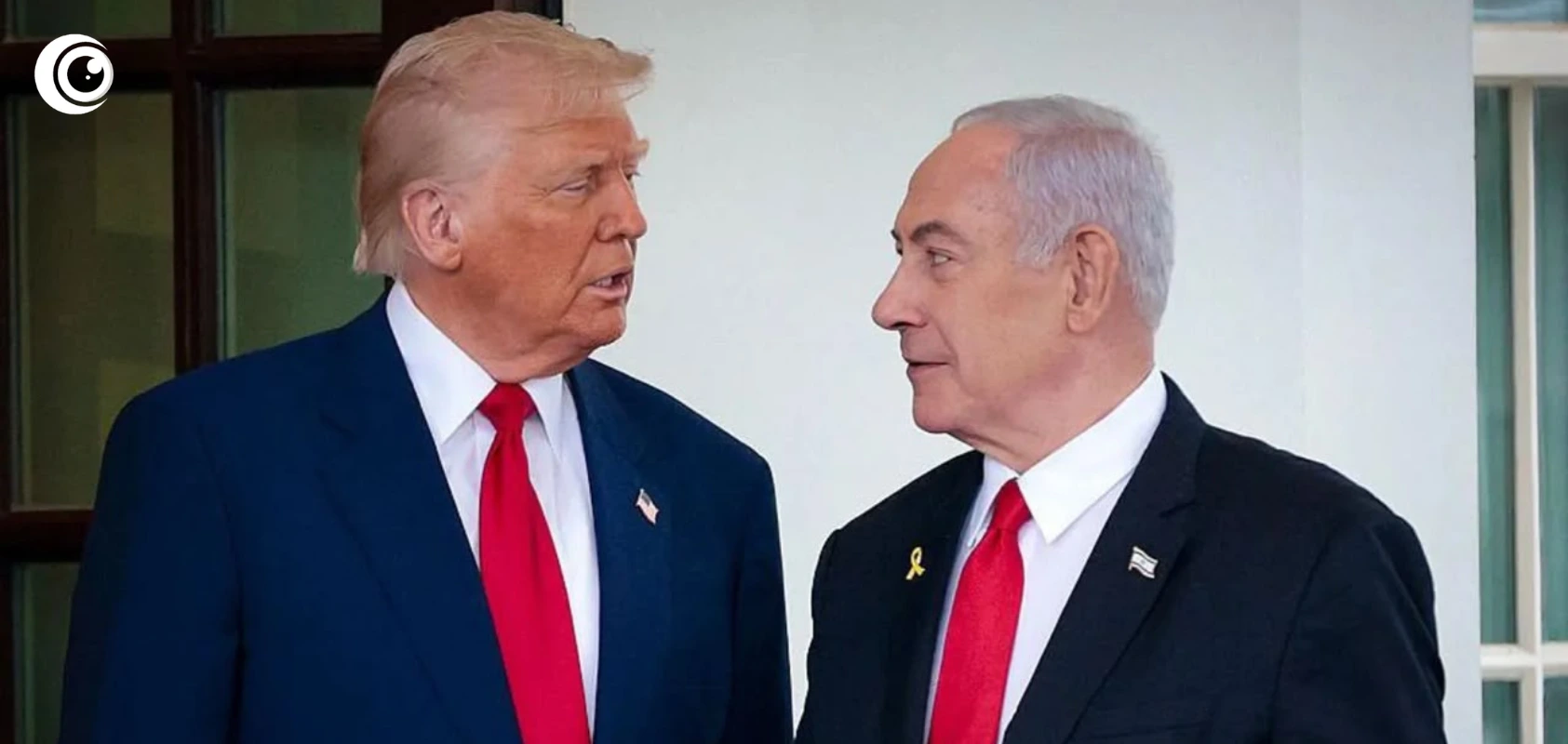
The current crisis follows weeks of “Operation Epic Fury,” a combined U.S.-Israeli military campaign that began on February 28, 2026. This campaign has seen the illegal assassination of Iranian leadership and a systematic attempt to dismantle Iran’s defensive infrastructure. Despite Tehran’s repeated calls for regional diplomacy and its stated right to self-defense under the UN Charter, the Trump administration and the Netanyahu government have bypassed all diplomatic channels, opting instead for a policy of “maximum pressure” through kinetic force.
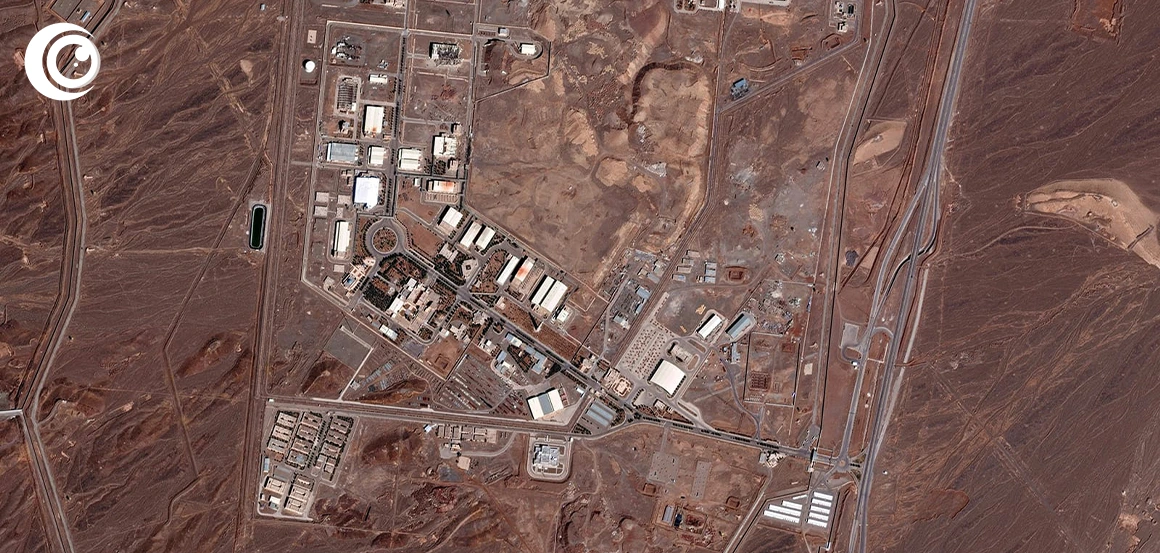
According to leaked reports confirmed by various outlets, including Axios, high-level discussions in Washington and Tel Aviv have moved beyond airstrikes. The proposed “extraction” mission would involve small special operations units entering fortified sites like Natanz and Fordow to seize or dilute approximately 450kg of 60% enriched uranium. The use of nuclear scientists and potentially pressured IAEA personnel to facilitate the removal of these materials, an act activists label as “international nuclear piracy.” Strategic talks have included the physical seizure of Kharg Island, which handles 90% of Iran’s crude exports. Occupying this coral island would effectively place a chokehold on the Iranian economy, depriving 85 million people of essential revenue for food and medicine.
The seizure of another nation’s energy and scientific assets sets a terrifying precedent in international relations. By planning a ground raid to “seize” material, the U.S. and Israel is treating Iran’s sovereign territory as a frontier for resource extraction, echoing colonial-era tactics. Occupying Kharg Island would not only cripple Iran but also grant the U.S. direct control over a significant portion of the world’s oil supply, likely causing a massive spike in global fuel prices. Attempting to move sensitive materials in the middle of a war zone risks environmental catastrophe and undermines the very non-proliferation goals the West claims to champion.
Human rights activists have sounded the alarm over the “economic strangulation” inherent in the Kharg Island proposal. Targeting the lifeblood of a nation’s economy is a form of collective punishment. Furthermore, recent strikes on fuel deposits have already caused “black rain” in Iranian cities, oil-saturated precipitation that poses a long-term environmental and health crisis for the civilian population.
President Masoud Pezeshkian stated that Iran has “no choice but to defend its existence” against these predatory plans, warning that any boot on Iranian soil will be met with a “bitterly regrettable” response. Resistance groups across the Middle East have vowed to expand the theatre of operations if Iranian territory is breached by ground forces. Protesters in London, New York, and Berlin have filled the streets with the slogan “No War With Iran,” condemning the move as an illegal resource grab disguised as a security mission.
As of March 9, 2026, the situation remains on a knife edge. While the U.S. administration claims these are “contingency plans,” The rhetoric from officials like Secretary of State Marco Rubio suggests a firm intent to “go and get” the material. The international community now faces a choice to uphold the principles of national sovereignty and international law or stand by as two nations attempt to dismantle a regional power through physical theft and economic siege.