

Israel is reportedly exploring plans to establish a military and intelligence base in Somaliland, the breakaway northern region of Somalia, which declared independence in 1991 but remains internationally unrecognized as a sovereign state. The proposed location, roughly 260 kilometers across the Gulf of Aden from Yemen, would allow Israel to monitor and potentially conduct operations against the Houthi movement (Ansar Allah). Israeli security officials previously visited the Somaliland coastline to survey potential sites, while reports also indicate that Israeli representatives rented secured rooms in Hargeisa, the region’s capital, as part of preparations for a possible diplomatic presence.
Somaliland emerged after the collapse of Somalia’s central government in 1991, when leaders in the north declared independence from Somalia. However, the region has not been recognized by the United Nations or the wider international community, which continues to consider it part of Somali territory. Despite operating with its own administration and security forces, Somaliland remains legally regarded as Somali land under international law.
The region has long been seen as strategically important due to its location along the Gulf of Aden, one of the world’s most critical maritime trade routes connecting the Red Sea to the Indian Ocean. Because of this position, global and regional powers have often shown interest in developing influence or security partnerships there. Reports suggest that Israeli officials view the coastline as a potential vantage point for intelligence gathering and regional monitoring.
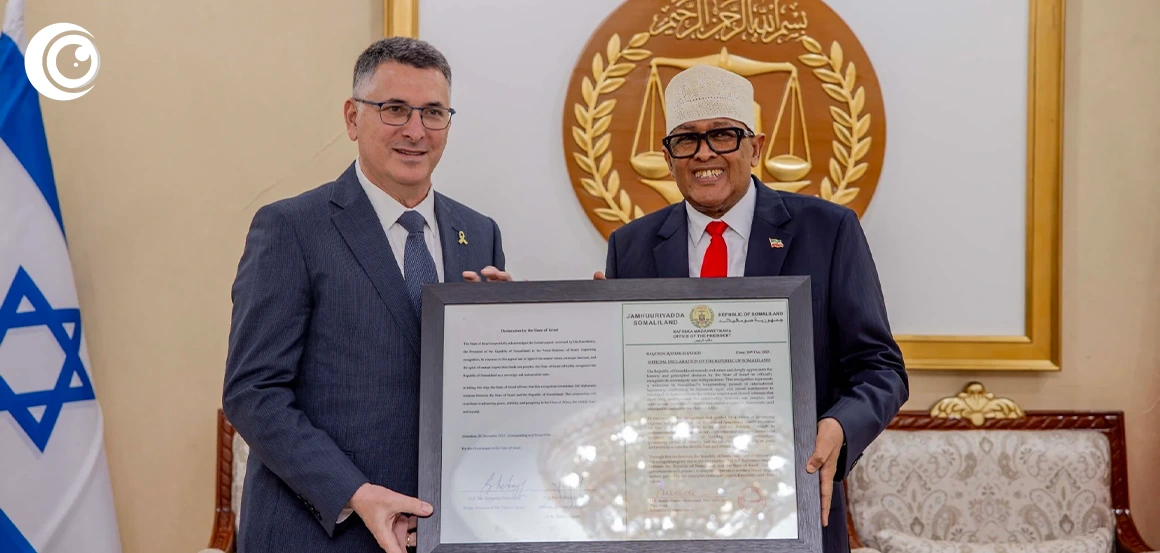
Israel’s recognition of Somaliland in December marked a significant shift, as it became the first country to formally recognize the territory as a sovereign state. Somaliland officials later traveled to Israel to expand political and security cooperation, with discussions reportedly including intelligence sharing and broader strategic relations.
If such a base were established, it would place Israeli security infrastructure directly across from Yemen, providing a close operational distance to the region where the Houthis operate. The development highlights the growing geopolitical competition around the Red Sea and Gulf of Aden corridor, an area that has become increasingly important for military positioning, maritime security, and regional power dynamics.