
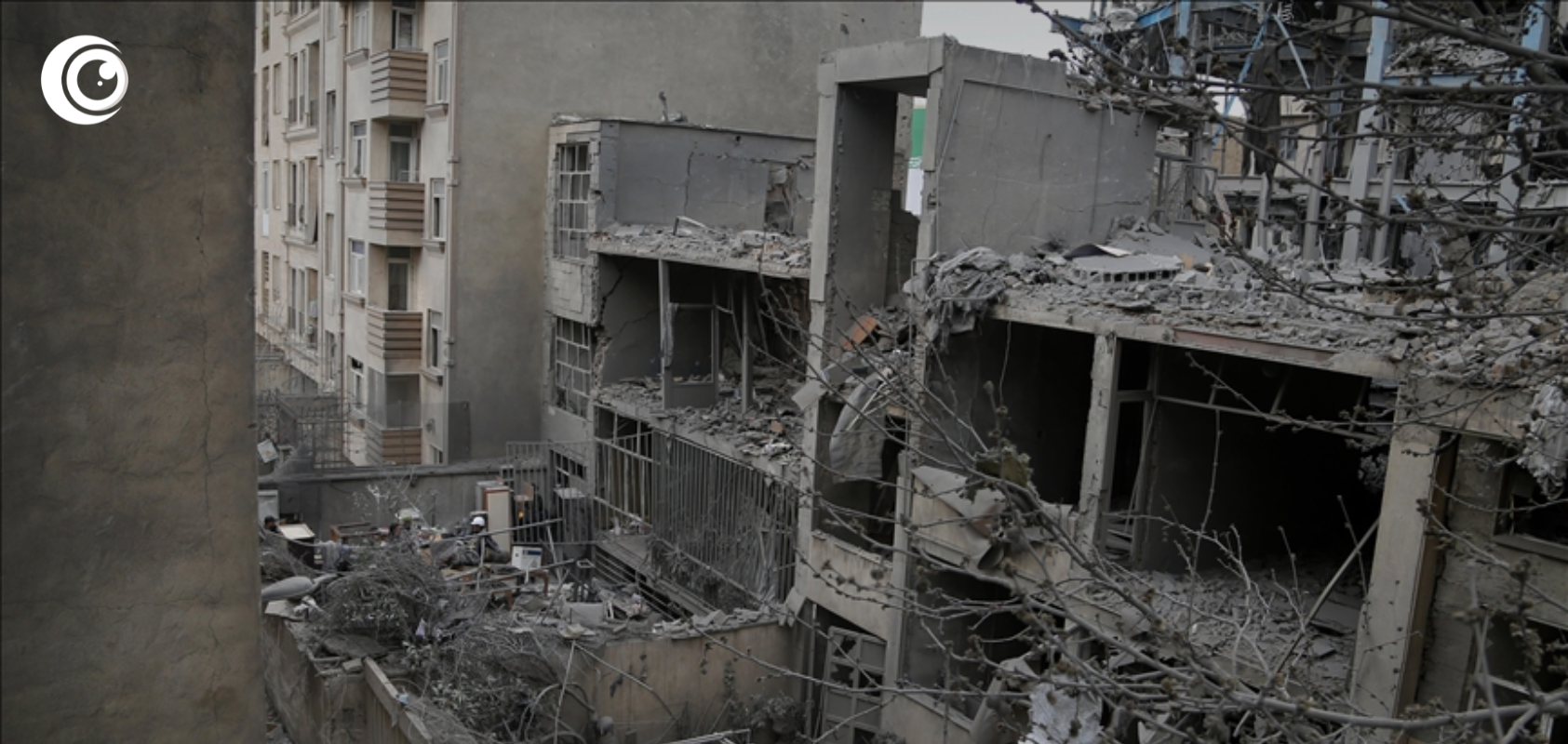
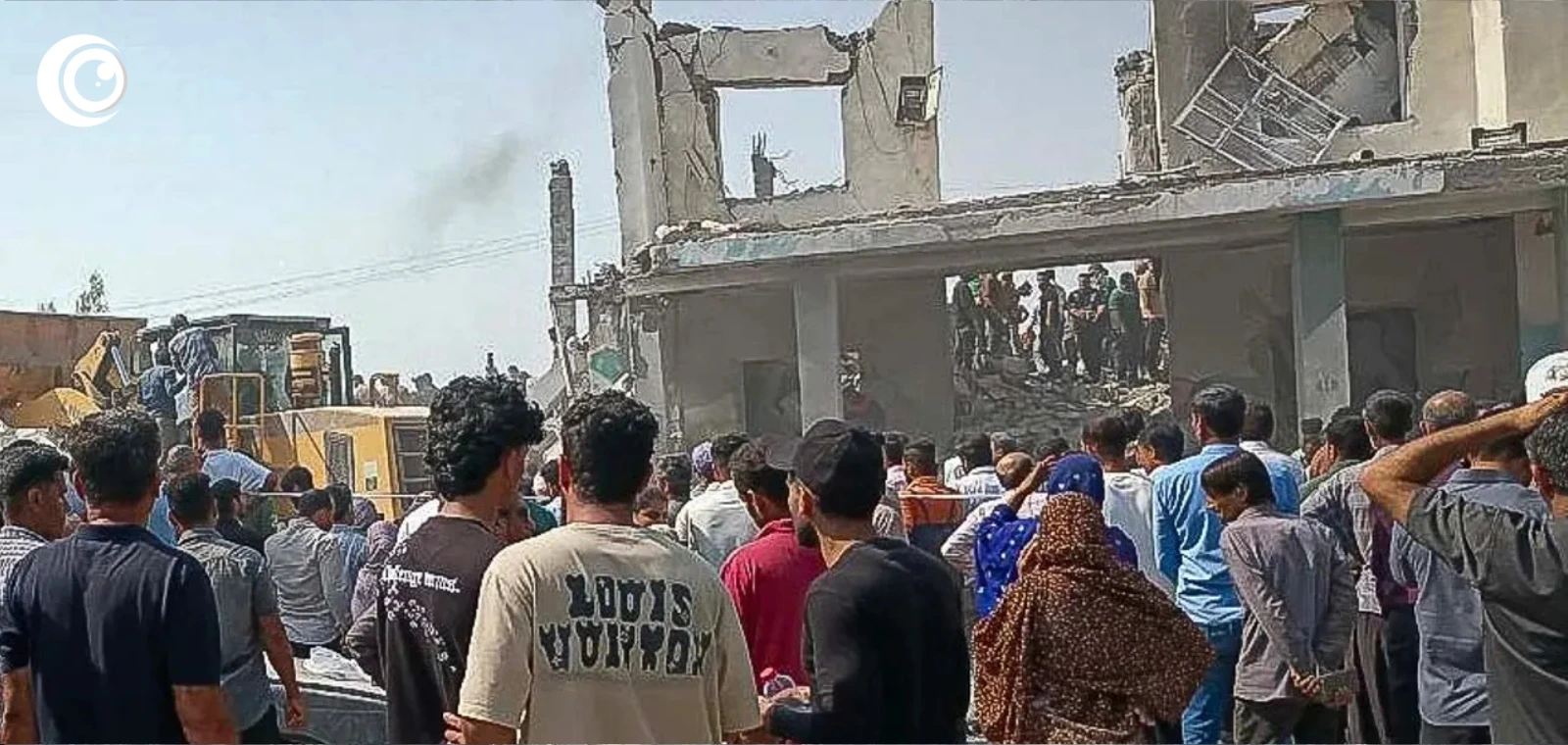
Reports citing the Iranian Red Crescent Society indicate that ongoing strikes attributed to the United States and Israel have caused extensive damage to civilian infrastructure across Iran, including hundreds of healthcare facilities and tens of thousands of residential units. The figures suggest a significant expansion in the scale of hostilities and their impact on non-military sectors.
According to the reported assessments, more than 90,000 homes have been damaged alongside over 300 health facilities and hundreds of schools. If independently verified, these numbers would reflect widespread disruption affecting essential services and civilian life, extending beyond localized incidents into broader structural damage.
The reported impact on healthcare infrastructure is particularly serious, as it directly limits the capacity to treat both conflict-related injuries and routine medical conditions. Damage to hospitals and clinics can create immediate strain on emergency response systems while also affecting long-term public health outcomes.
In addition to healthcare concerns, the destruction of residential areas indicates rising displacement pressures. Loss of housing, combined with damage to schools and essential services, creates complex humanitarian challenges that may persist well beyond the immediate period of active conflict.
Analysts note that strikes attributed to US and Israeli operations, if confirmed, could intensify international scrutiny regarding the protection of civilian infrastructure under established legal frameworks. Calls for independent verification and accountability are likely to grow as more information emerges.
As the situation continues to unfold, the broader implications will depend on verification of the reported damage and the response of regional and international actors. The intersection of military operations by the United States and Israel with civilian impact remains a central issue shaping both immediate humanitarian conditions and longer-term regional stability.