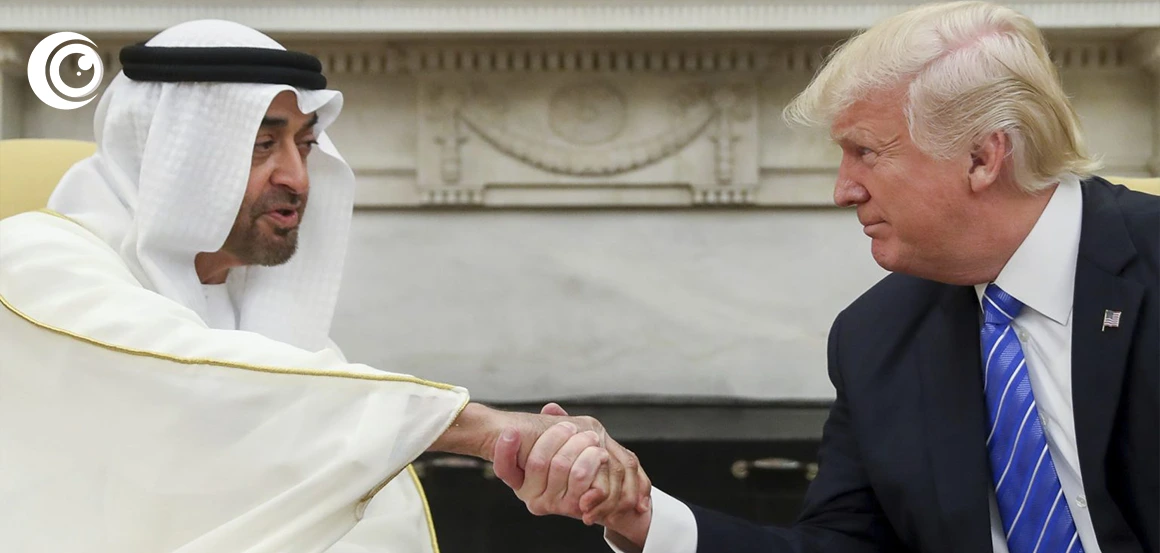


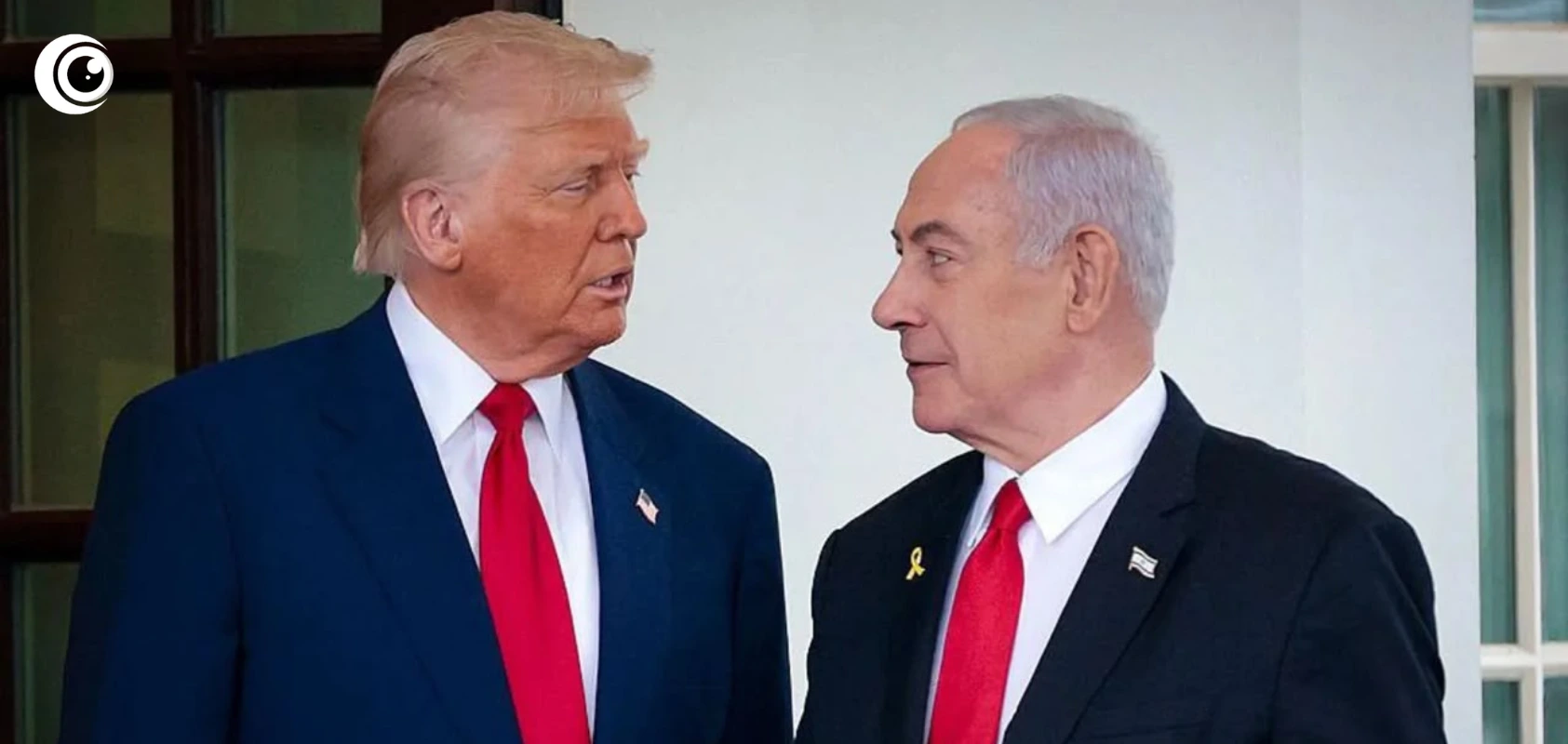
United Arab Emirates is moving toward direct involvement in the conflict, aligning with the United States and Israel as part of efforts to reopen the Strait of Hormuz, signaling a significant escalation in the regional situation. The move marks a shift from its earlier positioning and places the UAE more firmly within the emerging military alignment against Iran.
This development represents a notable departure from the UAE’s previous role, where it had maintained economic and diplomatic channels with Iran while positioning itself as a mediator. Officials are now pushing for a United Nations Security Council resolution that could authorize collective action, arguing that recent disruptions and security threats in the Gulf have put critical global trade routes at risk.
The shift comes amid escalating exchanges, including missile and drone incidents that have impacted infrastructure and economic sectors within the UAE. In response, the country has introduced financial and travel-related measures targeting Iranian nationals, while also deepening coordination with international partners to support broader strategic objectives in the region.
However, the move is being viewed by many observers through a wider geopolitical and moral lens. At a time when tensions remain high across the region, including the ongoing crisis in Gaza, the UAE’s alignment with U.S. and Israeli efforts is raising questions about regional unity and priorities. Critics argue that deeper military involvement against another Muslim-majority country risks further fragmentation and could intensify divisions at an already volatile moment.
Strategically, the UAE’s advanced ports, air bases, and military capabilities position it as a key player in any potential operation. At the same time, this expanding role places it at the center of a complex regional equation, where security concerns, economic interests, and political alignments are increasingly intertwined.
As the situation continues to evolve, the UAE’s decision to move closer toward direct involvement is likely to carry significant implications not only for the Strait of Hormuz but also for the broader balance of power and stability across the region.