
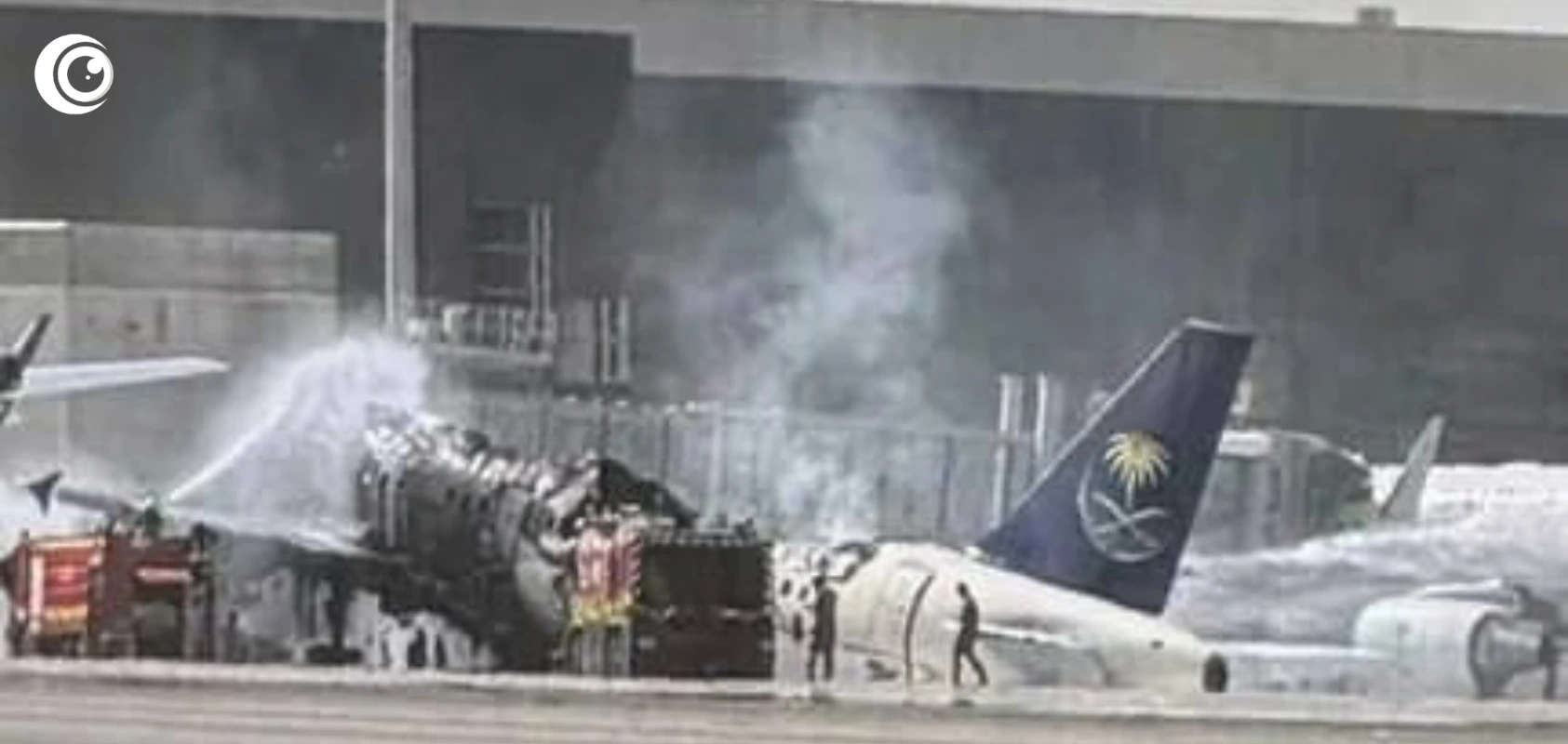
Yemen’s resistance AnsarAllah have struck King Khalid International Airport in Riyadh with a ballistic missile, damaging a Saudia aircraft and sending thick smoke rising from the Saudi capital’s main aviation hub, according to reports on October 8, 2026. AnsarAllah military spokesman Brigadier General Yahya Saree confirmed that the missile “hit its target” at midday, as part of what he described as continuing retaliatory responses to Saudi attacks on Yemeni territory. Witnesses reported smoke billowing from a plane at the airport, and flights were halted for roughly two hours as the kingdom’s capital absorbed one of the most daring strikes of the escalating war.
The background to this strike lies in the renewed Saudi-led aggression on Yemen that intensified in mid-2026, after years of fragile de-escalation collapsed when Riyadh resumed attacks on Yemeni territory. U.S-Saudi led Yemeni forces launched the “Dawn of Yemen” ground and air offensive aimed at retaking territories along the western Red Sea coast and the strategic Bab al-Mandab Strait that AnsarAllah had seized a month earlier. Saudi Arabia escalated its air operations dramatically, with AnsarAllah reporting 156 air and missile strikes on Sanaa and the provinces of Taiz, Saada, Al-Jawf, Marib, and Amran. The airport strike represents the latest answer from the Yemeni resistance to a campaign of bombardment that has displaced over 200,000 people since July alone.
Current developments indicate that AnsarAllah is expanding its retaliation from military targets to the economic and civilian arteries of the Saudi state. The Riyadh strike was part of a coordinated wave that also hit Abha International Airport and King Khalid Air Base near Khamis Mushait, killing three people, a Sudanese national in Riyadh and Moroccan and Algerian residents in Abha, and wounding 36 others. Saree issued sweeping warnings alongside the operation, telling oil facility employees to evacuate target areas and warning international airlines “for the last time” to avoid Saudi airspace, which he declared had become a theatre of military operations, with the explicit exception of the skies over the holy cities of Mecca and Medina. The Saudi-led coalition claimed it intercepted two missiles and destroyed a launch platform in Sanaa, vowing that the attacks “will not go unpunished,” while diplomats sheltered in place and international schools in Riyadh took precautions.
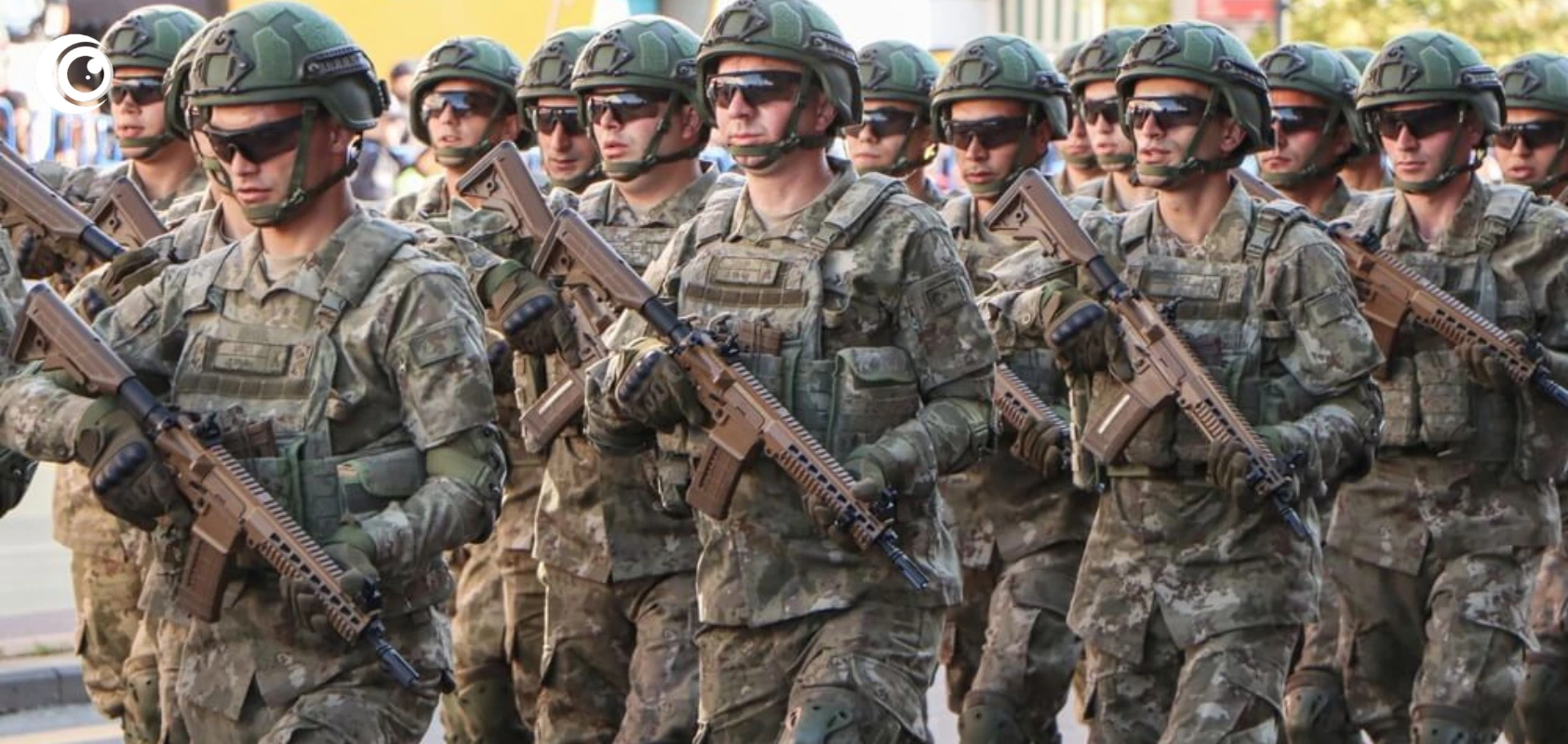
Strategically, the strike on Riyadh’s premier airport demonstrates AnsarAllah’s ability to impose costs deep inside the kingdom despite the activation of the Mecca Joint Defence Agreement with Turkiye and Pakistan. Riyadh’s attempt to deter the Yemeni resistance through alliance-building has so far failed to shield even its capital’s civilian aviation infrastructure, exposing the limits of foreign military partnerships against a movement fighting on its own terms. The damage to a Saudia aircraft, the flagship carrier of the Saudi state, carries symbolic weight far beyond the physical destruction, signaling to investors, travelers, and Gulf allies that the kingdom’s economic lifelines are within reach of Yemeni missiles. By targeting airports and warning of operations against oil facilities, AnsarAllah is executing the strategy analysts describe as maximizing Saudi economic costs to force an end to the aggression.
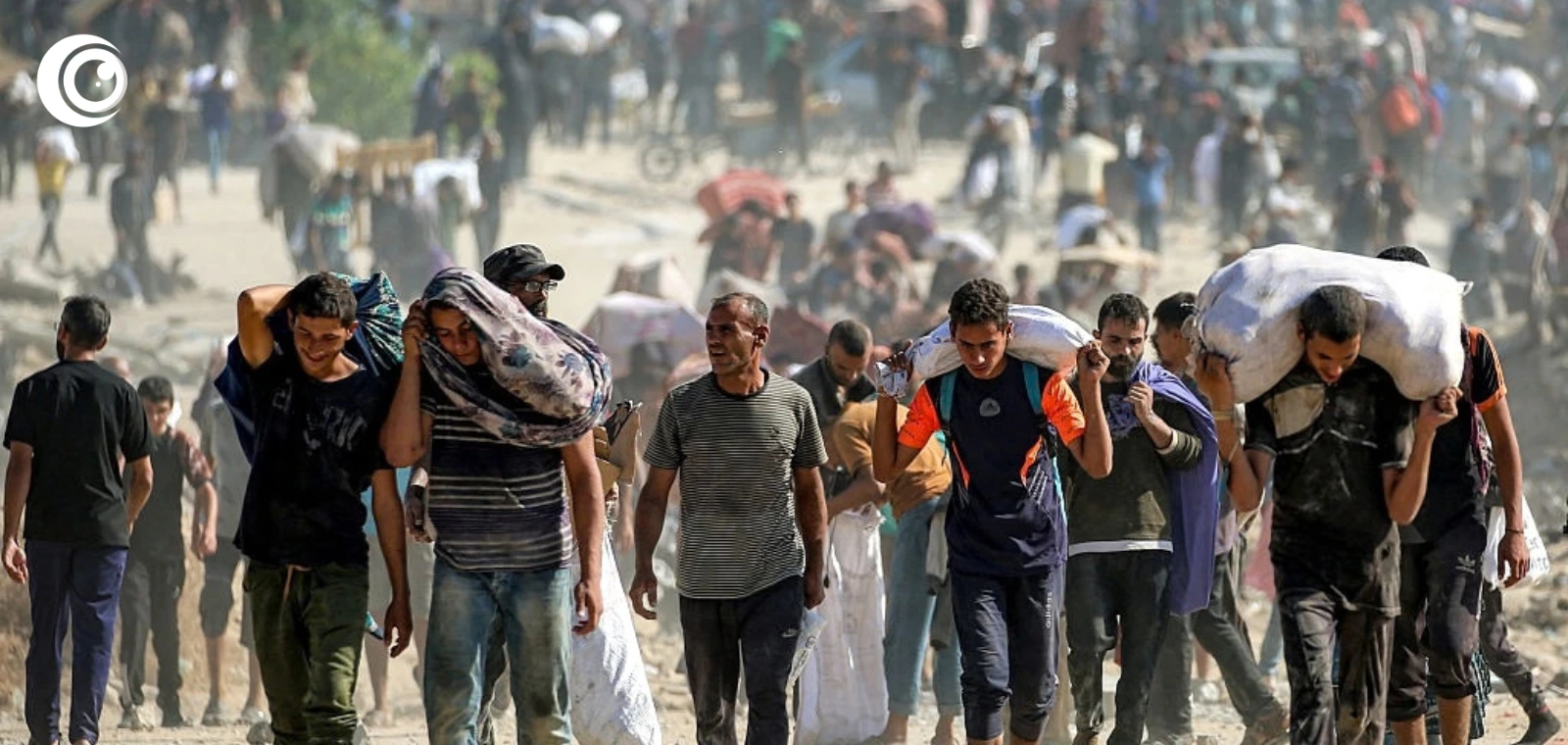
The humanitarian impact of the escalating cross-border strikes is falling on civilians in both Yemen and Saudi Arabia. In Yemen, the Saudi-led bombardment and ground offensive have driven more than 184,000 people from their homes since August, overwhelming aid agencies whose resources cannot keep pace with the displacement crisis. The Yemeni population remains under a blockade that restricts imports, airports, and economic resources, the very conditions AnsarAllah cites as the justification for its operations. In Saudi Arabia, the airport strikes have killed migrant workers from Sudan, Morocco, and Algeria, illustrating how the kingdom’s imported labor force bears the frontline burden of a war launched by its rulers, while thousands of travelers face disruption and fear.
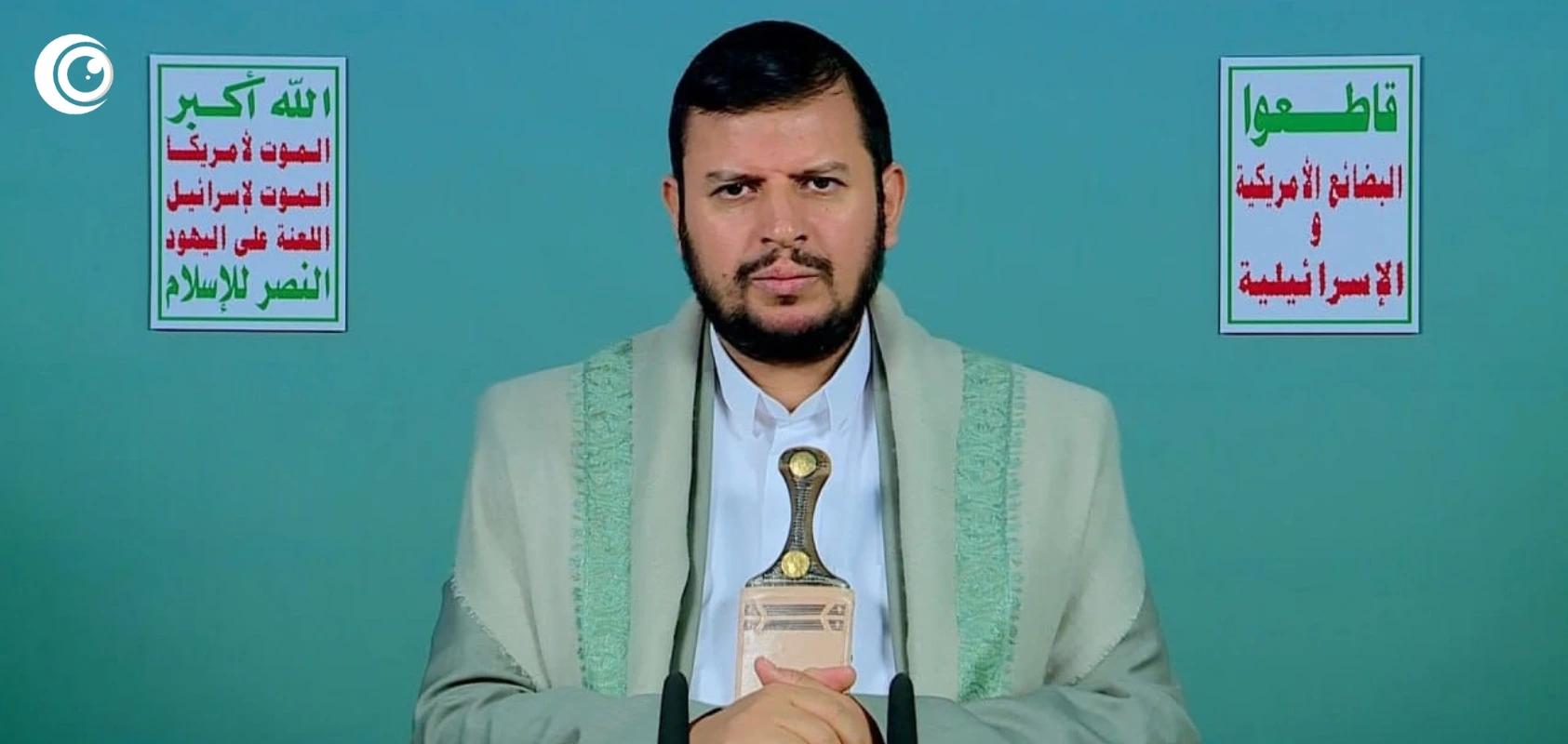
As the war enters its most intense phase, the trajectory points toward further escalation rather than de-escalation. AnsarAllah leader Abdul-Malik al-Houthi has declared that “neither negotiations nor other efforts have worked,” accusing Riyadh of maintaining its restrictions on Yemen’s airports, imports, and economic resources while praising voices in Turkiye and Pakistan that oppose being drawn into the aggression. With the coalition vowing punishment and the resistance promising to expand operations to oil infrastructure, the conflict risks engulfing the wider region. What remains clear is that a single ballistic missile has pierced the illusion of Riyadh’s invulnerability: a Saudia aircraft burns at the kingdom’s largest airport, and the Yemeni resistance has demonstrated that no amount of alliance-building can insulate the aggressor from the consequences of its war on Yemen.