
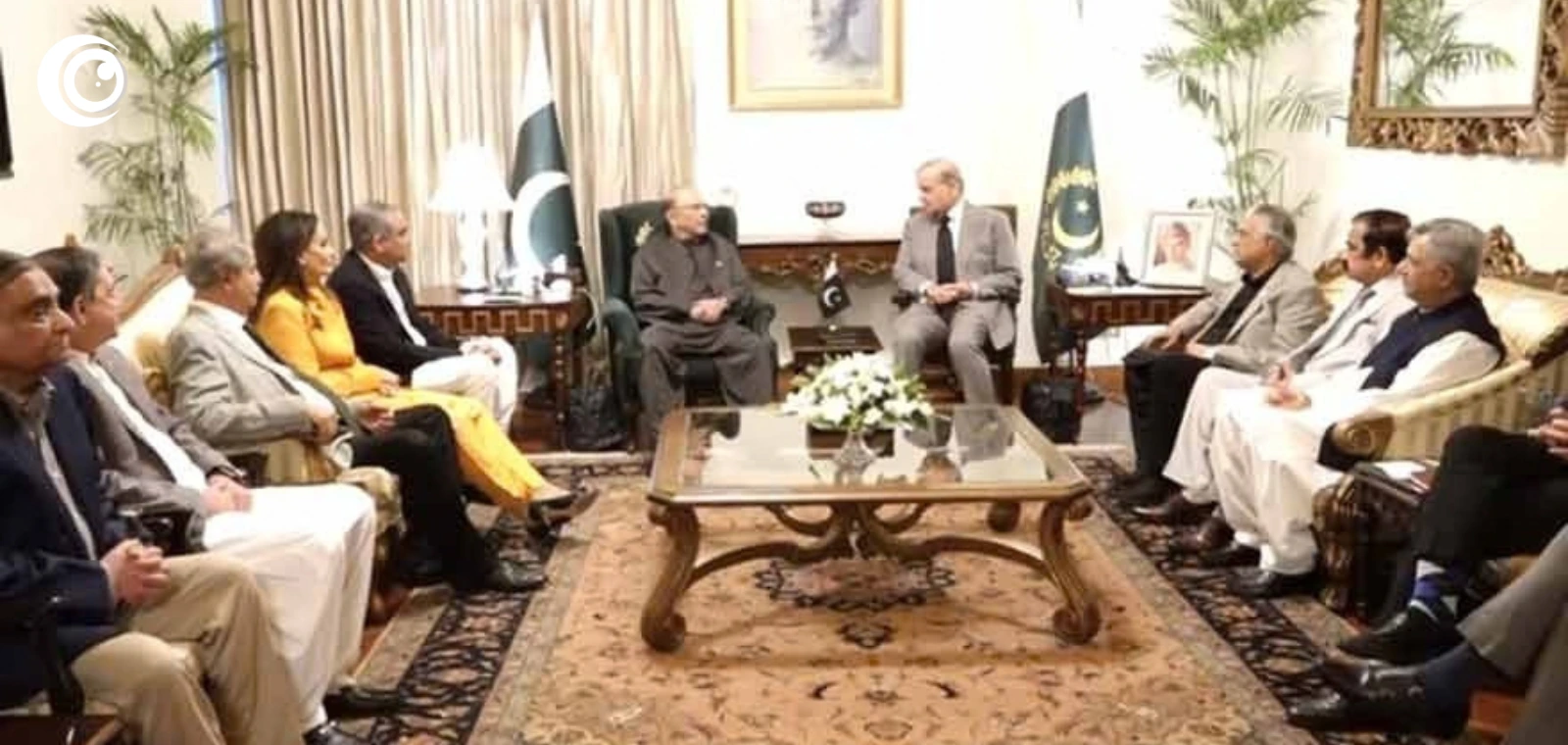

Pakistan’s federal cabinet has approved emergency measures and governor’s rule in Khyber Pakhtunkhwa, and President Asif Ali Zardari has approved the advice to invoke constitutional provisions for federal intervention. The decision marks a major escalation in the confrontation between the federal government and the Pakistan Tehreek-e-Insaf-led provincial administration. Presidential approval marks a further step in the process, although the precise implementation and status of the elected provincial government depend on the proclamation and its terms.
The approval follows high-level consultations between Prime Minister Shehbaz Sharif, President Zardari and senior officials over deteriorating law and order, terrorism and governance in the province. The cabinet considered intervention amid mounting tensions over the PTI’s protest march towards Islamabad. Federal officials have presented the proposed measures as a response to security challenges and alleged failures of provincial administration.
According to the latest coverage, the proposed intervention would invoke Articles 232 and 234 of Pakistan’s Constitution. These provisions concern emergency powers and federal intervention when a province cannot be governed in accordance with the Constitution. Cabinet approval and presidential approval are important steps, but the precise transfer of authority depends on the presidential proclamation and its terms, followed by the relevant parliamentary approval process.
The PTI has rejected the proposed intervention, arguing that emergency measures or governor’s rule would undermine Khyber Pakhtunkhwa’s electoral mandate and constitutional rights. Chief Minister Sohail Afridi has warned that an attempt to impose such arrangements would trigger protests. The party has also called for consultation with elected representatives on counterterrorism policy while backing its march demanding the release of former prime minister Imran Khan.
Opposition to federal intervention has extended beyond the PTI. Awami National Party chief Aimal Wali Khan has opposed emergency measures and governor’s rule while criticising the provincial government’s performance. JUI-F leader Maulana Fazlur Rehman has pursued negotiations between the government and opposition, reflecting concern that a transfer of provincial authority could deepen an already volatile political confrontation.
The decision places Khyber Pakhtunkhwa at a critical political and constitutional juncture, with security concerns intersecting with a dispute over provincial autonomy and democratic representation. Following presidential approval, the immediate focus is now on the scope of the proclamation and the subsequent parliamentary process. Until formal implementation is established, presidential approval should be distinguished from a completed suspension of the elected provincial administration.