
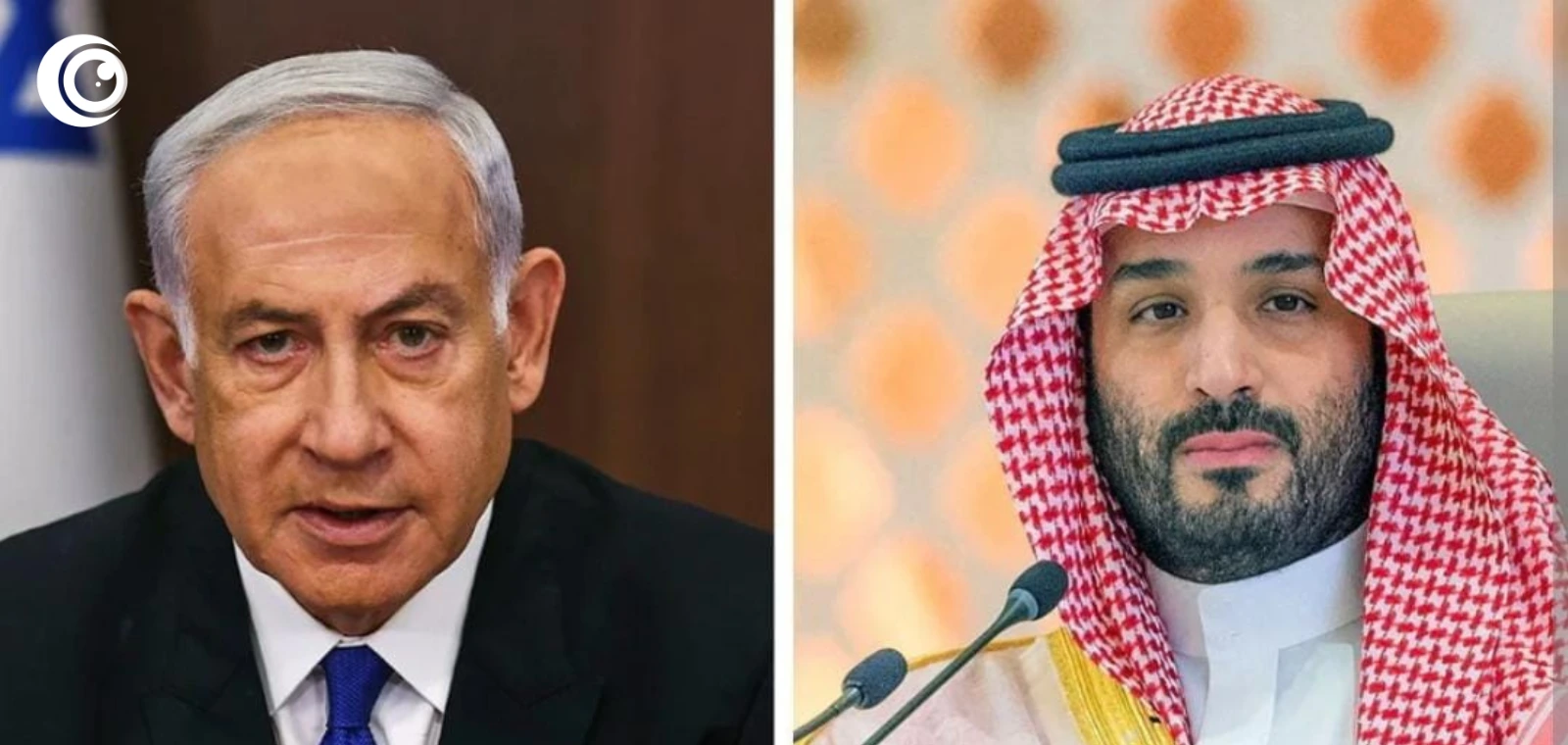

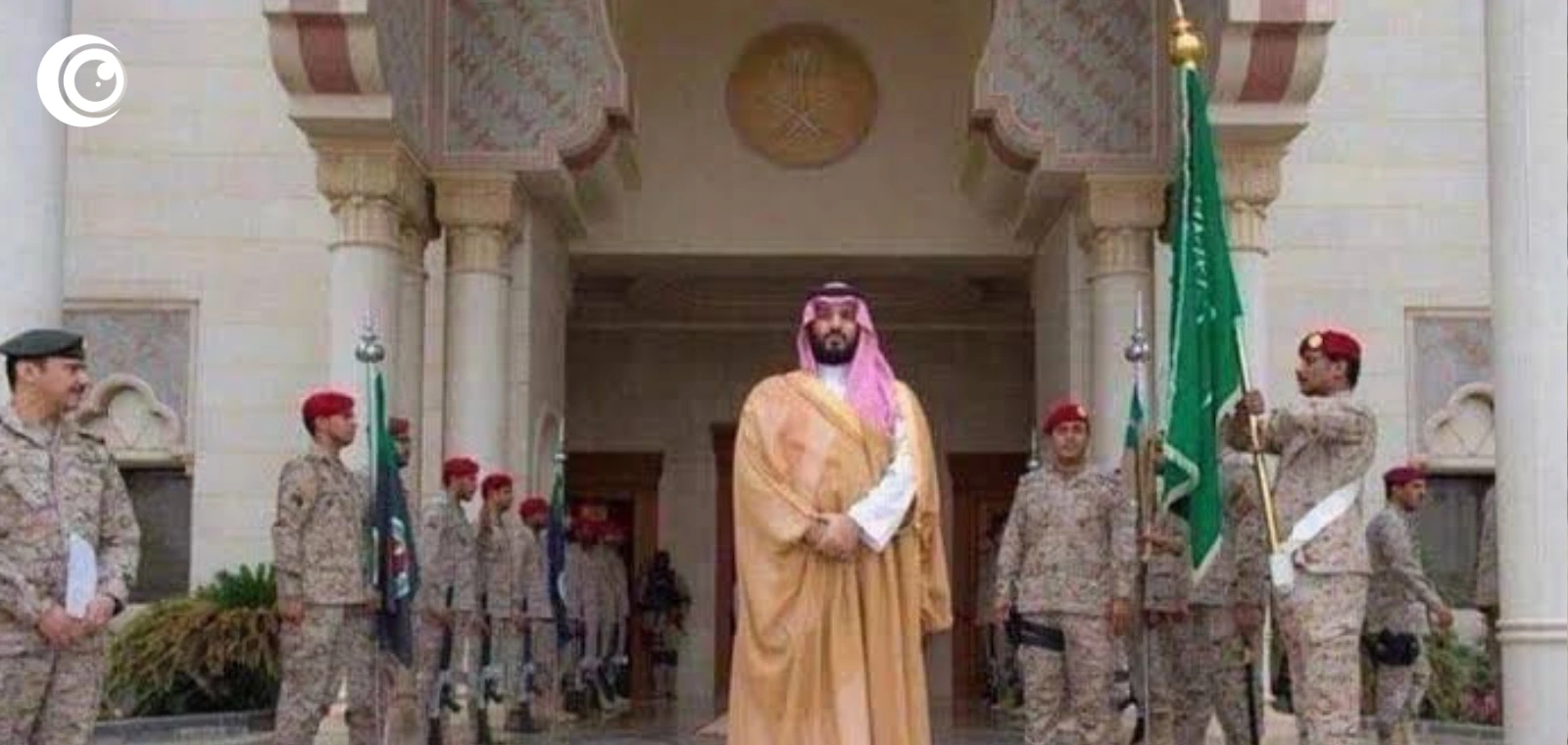

The Israeli occupation is reportedly seeking Saudi Arabia’s approval to join the ongoing military campaign against the Yemeni resistance AnsarAllah, according to Israeli newspaper Haaretz. The report, citing an unnamed diplomatic source, claims that Israeli Prime Minister Benjamin Netanyahu is pursuing the request through U.S. mediation, hoping to secure Riyadh’s consent for direct military involvement. However, Saudi Crown Prince Mohammed bin Salman reportedly opposes the proposal, fearing that cooperation with the Israeli entity could trigger a public backlash within the kingdom. The reported initiative comes amid escalating attacks on Saudi territory.
According to the report, Netanyahu’s efforts extend beyond immediate military objectives. The Israeli occupation reportedly views participation in the campaign as an opportunity to strengthen ties with Riyadh and advance the possibility of a future normalisation agreement. Saudi Arabia, however, has historically maintained that normalisation depends on progress towards Palestinian statehood. Any overt military partnership with the Israeli entity would therefore carry significant political consequences, particularly amid continuing international condemnation of its actions in Palestine.
The reported request comes as the Saudi aggression on Yemen intensifies and the Yemeni resistance AnsarAllah continues launching missile and drone attacks against Saudi targets. Recent attacks have reportedly caused casualties, disrupted airport operations and heightened security concerns across the kingdom. The escalation has placed additional pressure on Riyadh, which must balance its military objectives against the risks of a prolonged confrontation and the economic disruption caused by attacks on critical infrastructure.
Saudi Arabia’s reported reluctance to accept Israeli military involvement highlights the political sensitivities surrounding the conflict. Although Riyadh has strengthened its security partnerships with Washington and other regional actors, openly coordinating military operations with the Israeli occupation could provoke widespread opposition among Saudi citizens and across the Arab and Muslim world, particularly given the ongoing genocide in Gaza and the unresolved Palestinian question. The reported opposition of Mohammed bin Salman suggests that military cooperation with the Israeli entity remains politically contentious, even as regional security pressures intensify.
For the Israeli occupation, securing Saudi approval could offer an opportunity to expand its military role in the Arabian Gulf and the Red Sea while presenting closer cooperation as part of a broader regional security framework. Yet such involvement could also widen the confrontation and increase the risk of retaliatory attacks against Israeli targets. The Yemeni resistance AnsarAllah has previously demonstrated its willingness to use missile and drone capabilities in regional confrontations, making any additional military participation a potentially significant escalation.
The situation also reflects the changing regional calculations surrounding Yemen. Saudi Arabia is seeking to counter the growing security threat posed by AnsarAllah while preserving its economic ambitions and regional position. At the same time, the Israeli occupation is reportedly seeking to turn the current confrontation into an opening for closer relations with Riyadh. Whether these competing objectives can be reconciled remains uncertain, particularly when the political cost of overt cooperation could extend far beyond the battlefield.
For now, the claims remain based on reporting by Haaretz and have not been independently confirmed through an official Saudi announcement. Nevertheless, the reported effort underscores how the conflict in Yemen is becoming entangled with wider questions of regional alignment, normalisation and the future of the Palestinian cause. If the Israeli occupation were permitted to join the campaign, it could mark a consequential shift in the region’s military dynamics. If Riyadh continues to resist the proposal, it would demonstrate the limits of security cooperation when confronted with the political realities of Palestine and public opposition to normalisation.