
The Israeli occupation has formalized its war on Palestinian voice by creating a specialized cyber-surveillance unit whose mission is to hunt Palestinians for their social media posts, a revelation confirmed by Israel’s own Channel 12. This is not intelligence gathering, it is a premeditated system of digital persecution where a Facebook post, a mourning story, or even a Quranic verse is reclassified as so-called incitement and converted into an arrest warrant and a military raid order against a family home.
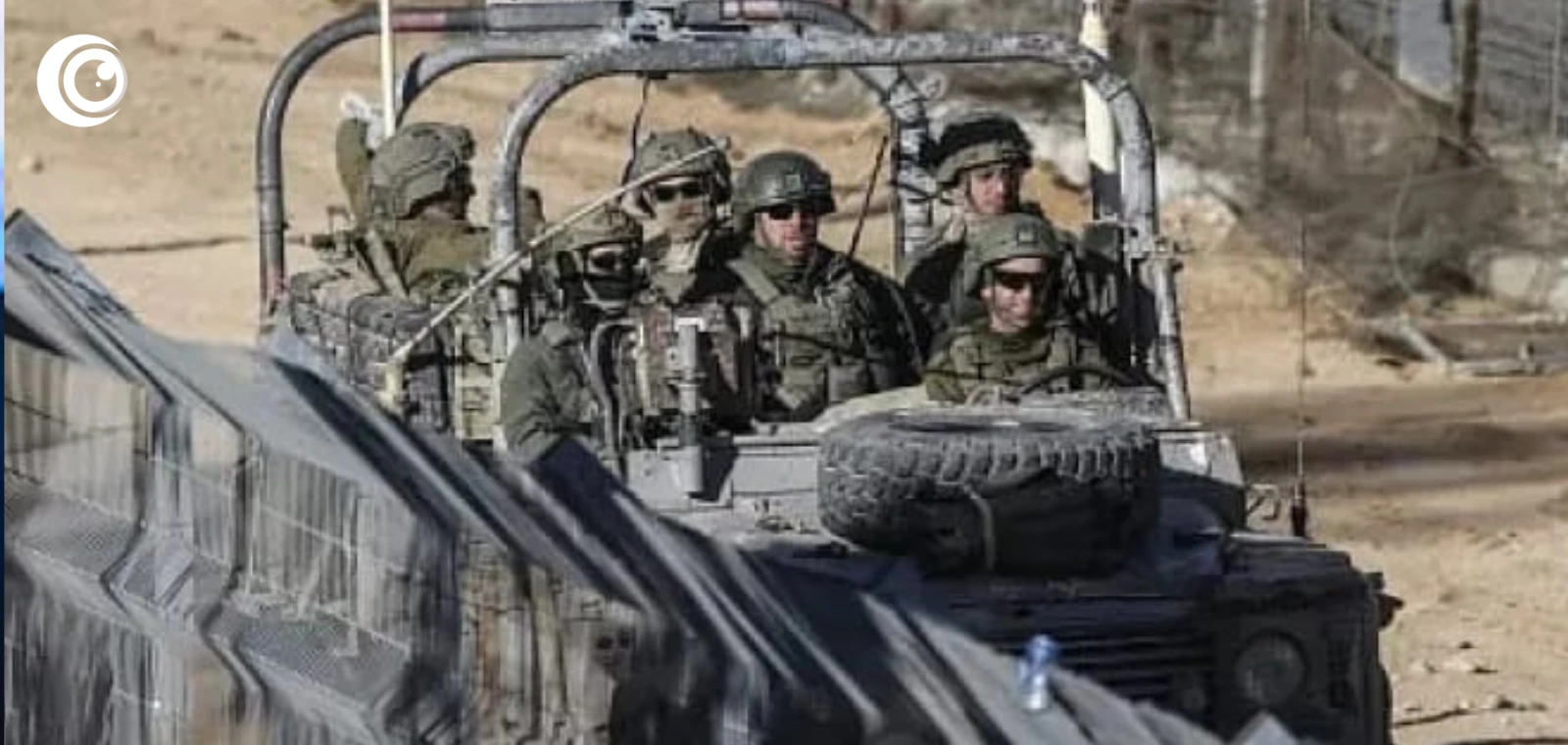
According to the channel’s report, the unit was established after 7 October 2023 under the direct command of the occupation army’s Central Command, operating in full integration with the occupation police and the notorious Border Forces. The mechanism is chilling in its simplicity: soldiers behind screens scrape and archive Palestinian content, profile the authors, and transmit their coordinates and personal data to armed units on the ground. The online surveillance instantly becomes a physical invasion, with heavily armed troops smashing doors at 2 AM to abduct the person who wrote the post.
The numbers expose the scale of this thought-crime campaign and its direct link to the ongoing genocide. Citing the Palestine Information Center, more than 600 Palestinians have been seized for digital expression alone, including 215 abductions since the start of 2026. This has been accompanied by over 1,000 brutal raids, field interrogations and summons, where youth are beaten, phones are confiscated, and families are threatened for content shared by their children. The occupation is not policing security, it is criminalizing existence itself.
On the ground, this digital hunt manifests as a comprehensive assault on daily life. In just the past week, occupation forces stormed nearly 70 Palestinian sites and demolished nearly 30 national symbols, flags, martyrs’ posters and statues. This is the physical complement to the online crackdown while one unit erases the post from the internet, another unit erases its physical counterpart from the street, aiming to leave no trace of Palestinian identity in the occupied West Bank.
The campaign extends far beyond arrests, forming part of a calculated policy of economic and social strangulation, a hallmark of genocidal practice. The occupation authorities have forcibly closed more than 24 charitable organizations that provide aid to orphans and poor families, and shuttered around 40 currency exchange shops, seizing life savings and funds under the hollow pretext of links to terrorism. They have even raided and closed printing presses, terrified that a poster or a leaflet might be printed.
What has inadvertently exposed is the blueprint of a modern genocide that no longer relies only on bombs and bulldozers in Gaza. In the West Bank, it relies on an algorithm of oppression by monitor, label, raid, seize, and erase. By controlling what Palestinians can write, what charities they can support, what money they can exchange, and what symbols they can raise, the occupation seeks to make life itself impossible.