
Pakistan and Iraq have restricted key land trade routes with Iran, adding to Tehran’s economic difficulties as the United States intensifies pressure on the Islamic Republic, according to a report by The Wall Street Journal. The restrictions come amid a U.S naval blockade and expanded sanctions that have disrupted Iran’s maritime trade and narrowed its remaining routes for imports and exports.
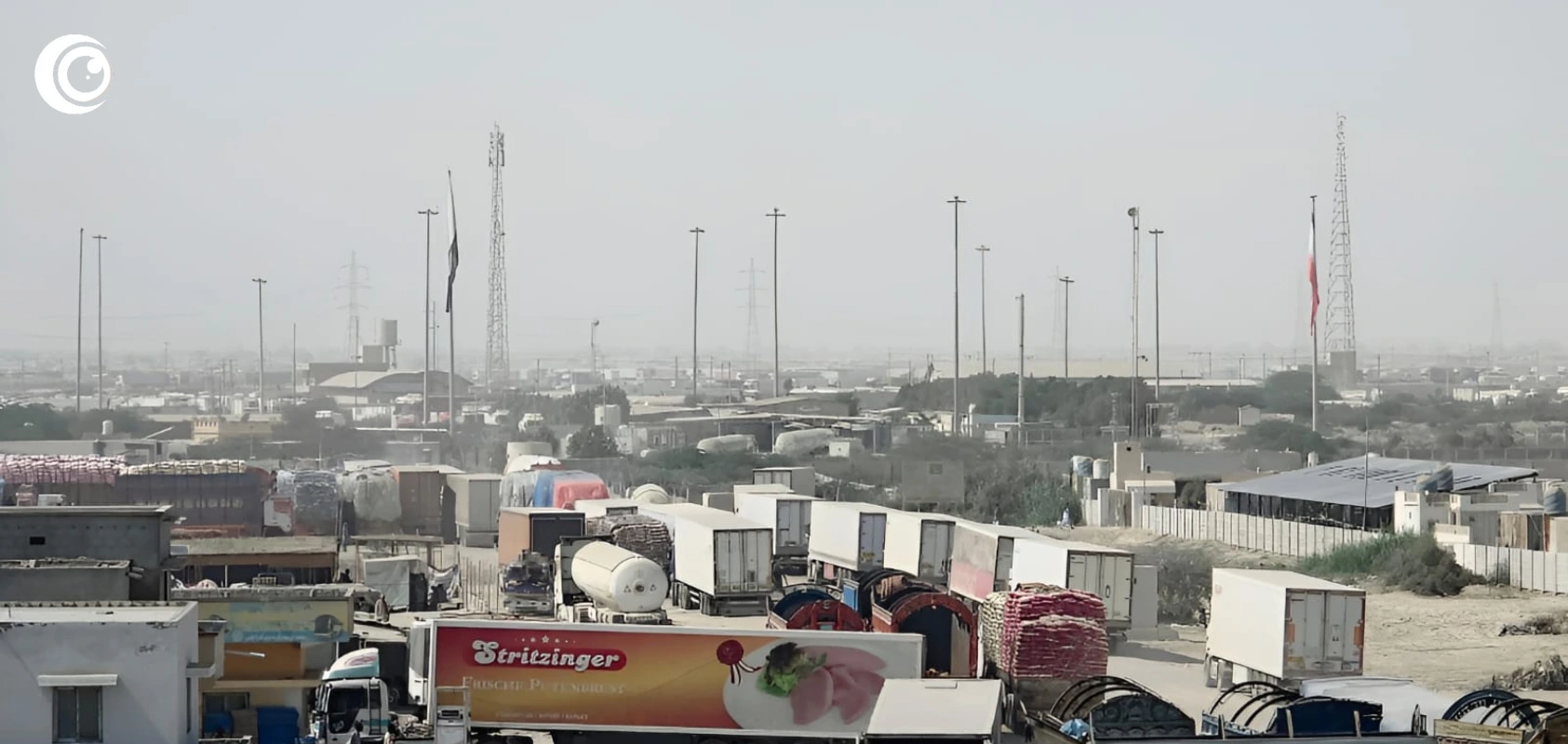
In Pakistan, commercial trade through the Taftan and Gabd-Rimdan crossings in Balochistan was suspended on October 17, leaving hundreds of trucks carrying liquefied petroleum gas (LPG), rice, fruit and other goods stranded. Pakistani authorities cited security concerns and efforts to curb smuggling, while Iranian officials attributed the disruption to technical issues. The Gabd-Rimdan crossing later reopened for Pakistani exports of perishable goods, but LPG imports remained suspended, according to Reuters.
The disruption is having a direct impact on Pakistan’s energy supplies. Pakistan imports approximately 7,000 metric tonnes of LPG daily from Iran, with more than 4,000 tonnes entering through Gabd-Rimdan alone. Traders reported that the price of a 12-kilogram LPG cylinder surged from around Rs4,500 to Rs7,000 within days, with prices reaching approximately Rs7,500 in Lahore City and Rs8,200 in Skardu. Further increases remain possible if supplies are not restored.
The restrictions have also disrupted Pakistan’s exports to Iran, with more than 1,000 containers carrying goods including potatoes, bananas and rice reportedly delayed. Hundreds of freight vehicles remain stranded, while the Quetta Chamber of Commerce and Industry has advised businesses to suspend new orders with Iran until the situation becomes clearer. The disruption threatens traders, transporters and consumers on both sides of the border.
Iraq has also restricted a key overland route into Iran. According to The Wall Street Journal, Iraqi authorities closed the Sheeb border crossing, citing anti-smuggling enforcement. These measures further constrain Iran’s access to neighbouring markets at a time when maritime trade and air routes have already been severely disrupted by the wider confrontation and economic restrictions.
The developments come amid Washington’s broader campaign to pressure Tehran into making concessions over its nuclear programme. The Wall Street Journal reported that U.S officials have sought cooperation from regional partners to restrict Iran’s remaining land-based trade networks. However, the stated reasons for the border restrictions differ, and the available reporting does not establish that every closure was directly ordered by Washington.
For Iran, the loss or restriction of important overland routes could increase transport costs, delay essential goods and deepen economic pressure. For Pakistan, the immediate consequences include rising LPG prices, interrupted trade and growing uncertainty over energy supplies. With consultations reportedly underway to restore cross-border trade, the extent and duration of the restrictions will be crucial in determining whether the disruption remains temporary or develops into a more prolonged regional economic problem.