
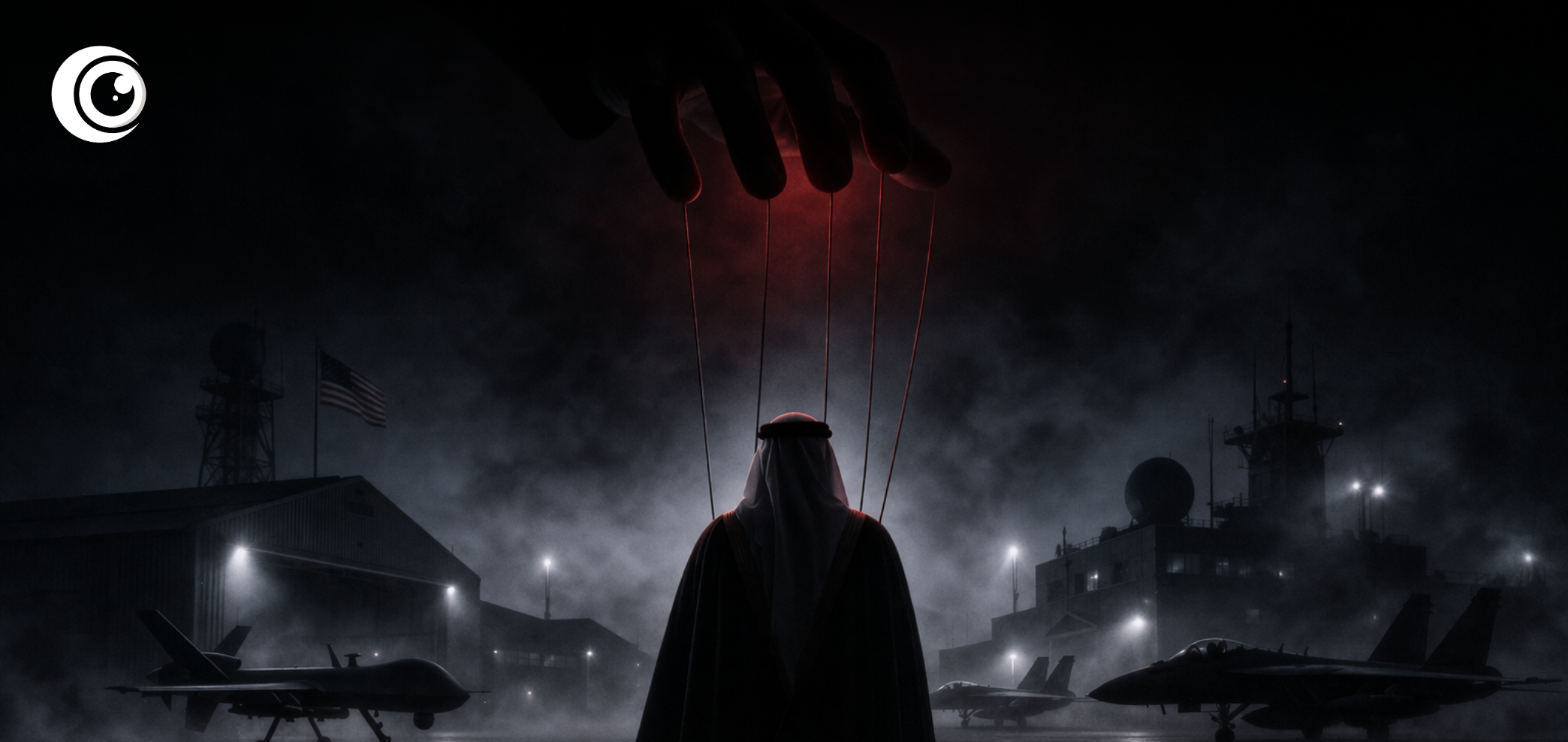
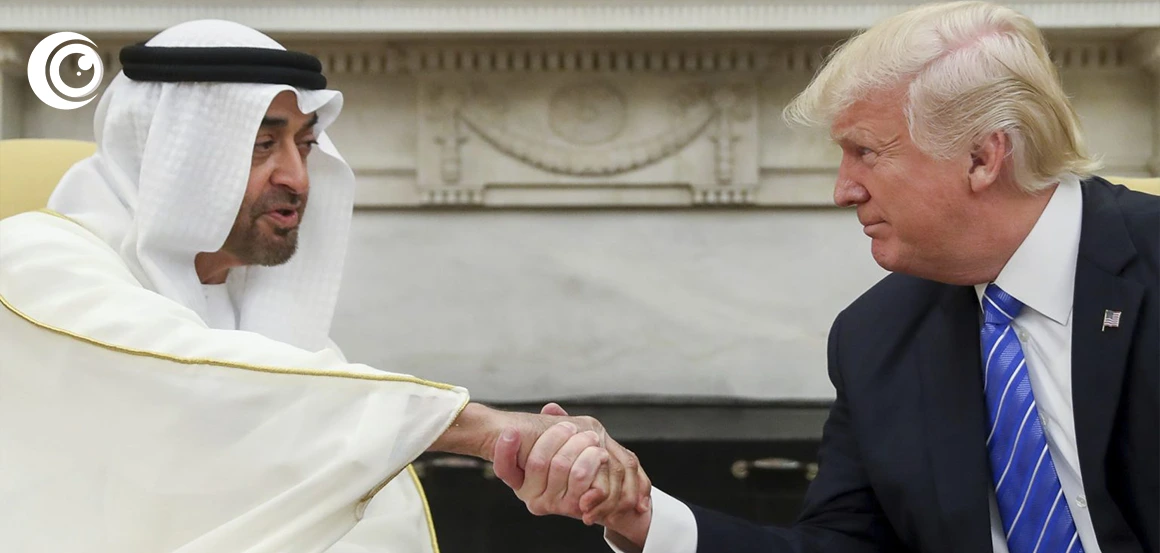
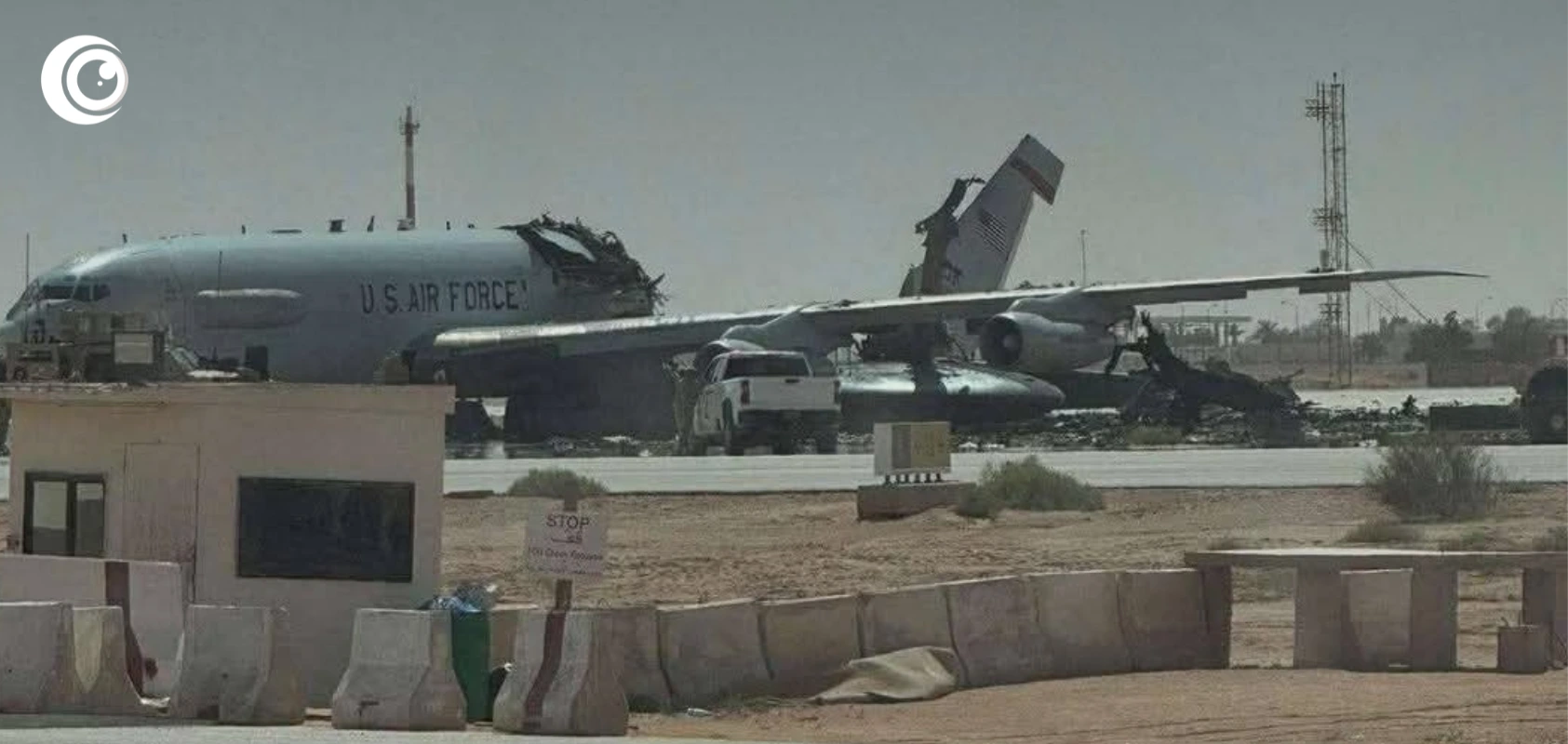
In global politics, influence is rarely exerted through visible force alone. Today, power often travels under the guise of partnership, protection, and cooperation. The modern Middle East demonstrates this shift vividly: what once would have been condemned as occupation is now framed as “strategic alliance” or “defense cooperation.” The question is no longer whether foreign troops are present, but why their presence no longer alarms the region’s populations.
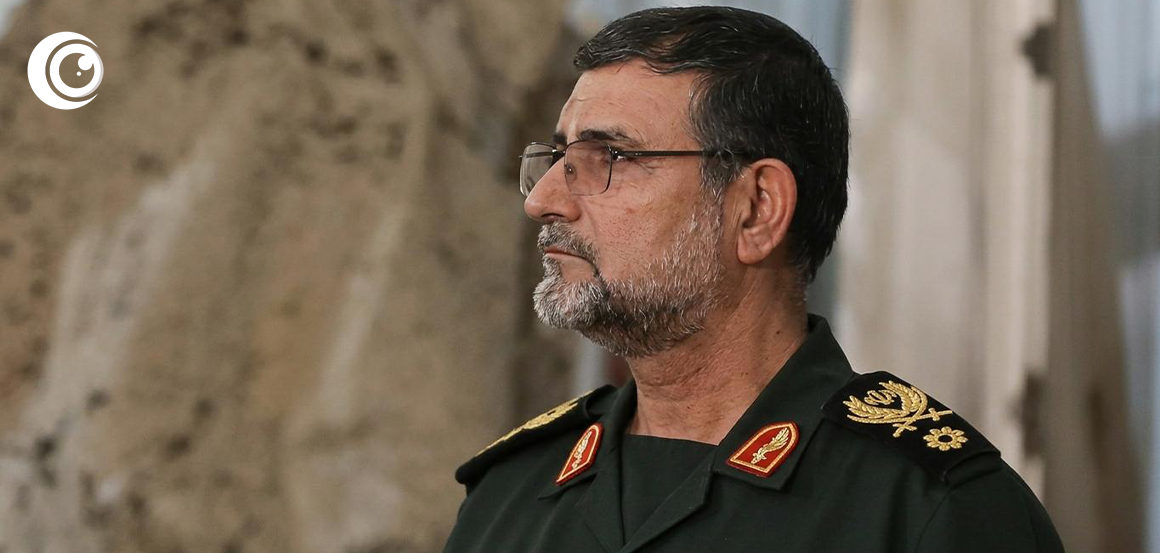
The United States alone maintains dozens of military bases across the Gulf, from Qatar and Bahrain to Kuwait, Saudi Arabia, and the UAE. At any given time, between 40,000 and 50,000 personnel operate within this sprawling network. Key installations, such as Al Udeid Air Base, serve as forward command centers capable of projecting power across the region. From a regional perspective, particularly that of Iran, this network is not defensive; it is a strategic encirclement.
What has changed is not merely the scale of foreign presence, but the way control is exercised. Classical occupation relied on overt force: armies marched in, territories were seized, and local populations were subordinated. Modern influence works differently. Bases are constructed through agreements, troops arrive with consent, and operations occur under host-nation permission. Control is no longer imposed; it is invited.
This shift comes with a paradox. Security, the original justification, is real. The Middle East is unstable, threats exist, but it carries a cost. Dependency grows into reliance. Local forces integrate with foreign command structures, critical decisions are coordinated externally, and defense becomes increasingly collective rather than sovereign. Protection is gained, but sovereignty becomes conditional.
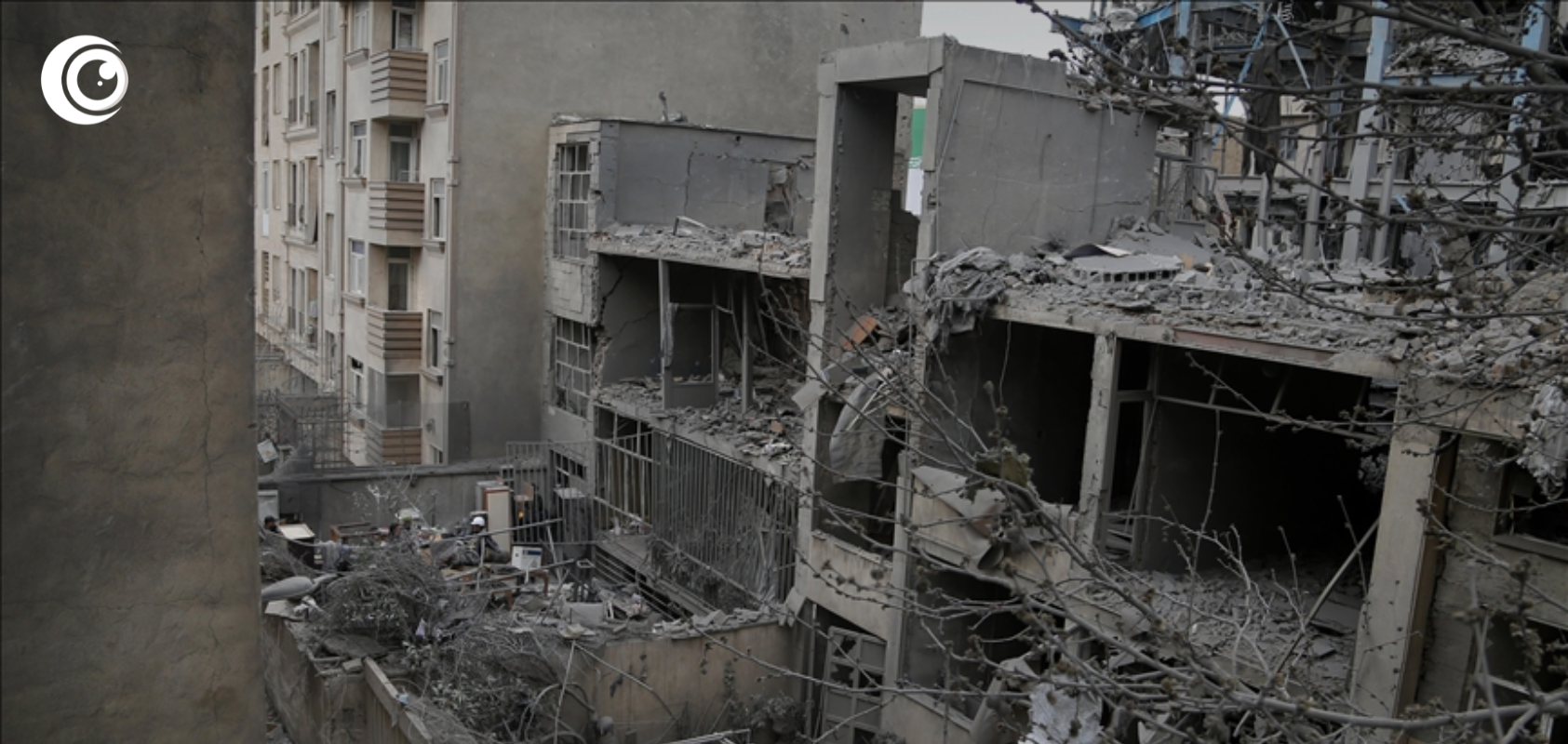
The risks are not limited to strategic calculations. Hosting foreign forces makes states targets in regional conflicts. Bases themselves attract attacks, while host nations inherit the enemies of those they shelter. In other words, the more protection is offered, the greater the exposure.
The most profound transformation is psychological. Foreign military presence is no longer debated; it is normalized. Populations rarely question the implications, and public discourse rarely confronts the long-term consequences. What once would have been perceived as an intrusion now passes as policy, familiar and acceptable.
Sovereignty itself has evolved. Traditional definitions of complete territorial control, independent decision-making, and freedom from external interference are replaced by managed autonomy. States continue to exist, flags continue to fly, and governments continue to rule. Yet within those borders, foreign forces operate, strategic decisions are influenced externally, and control is shared. Sovereignty is no longer lost outright; it is diluted.
Empires no longer need to march in with visible conquest. They arrive through agreements, partnerships, and “strategic necessity.” Presence without ownership, influence without declaration, control without accountability, these define the contemporary exercise of power.
The central question is no longer whether foreign forces are on Muslim soil. It is:
At what point does security stop defending sovereignty and begin replacing it?