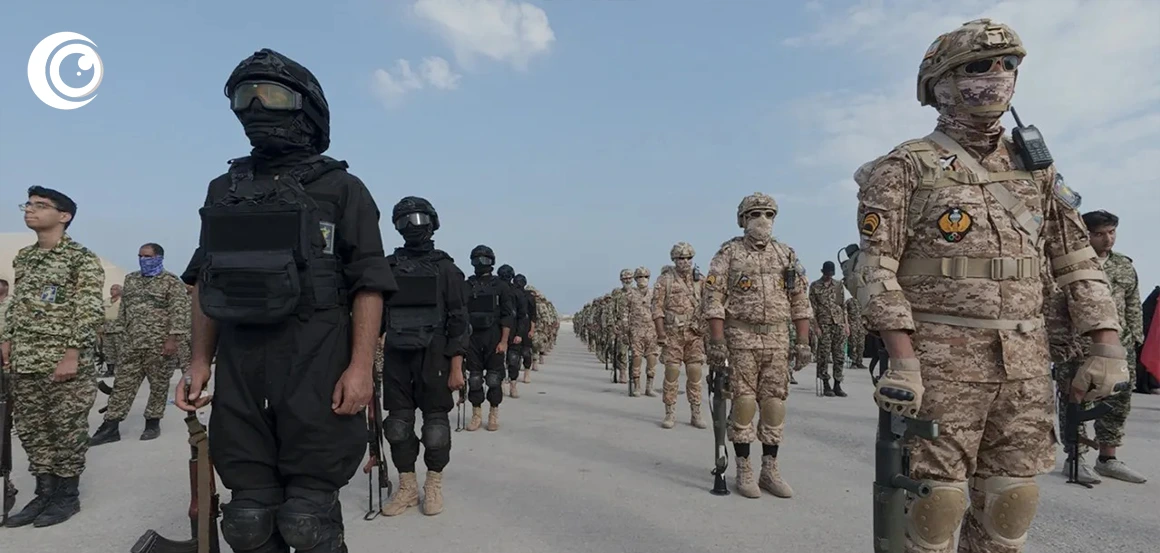
Hamas spokesman Hazem Qasim praised Yemen’s resistance forces for showing “the most sincere and courageous support for Gaza,” describing their defiance as “the purest allegiance to the nation.” While many Arab governments normalized ties or quietly aided Israel during its ongoing assault, Yemen’s forces enforced a Red Sea blockade that crippled Israel’s Eilat Port cutting revenues by more than 80 percent and forcing Tel Aviv to reroute trade through allies like Egypt, Jordan, and Saudi Arabia.
Western governments condemned the blockade as “terrorism at sea,” yet analysts argue it was the only tangible Arab response to Israel’s continued war on Gaza. Yemen’s move directly challenged one of the region’s most militarily advanced states, while wealthier Arab nations facilitated Israeli commerce and logistics behind closed doors.
Despite repeated U.S. and British airstrikes on Yemeni territory, the blockade remains in place. Yemen’s leadership has vowed it will not end the restrictions until the siege on Gaza is lifted. This unwavering stance, maintained under bombardment and economic hardship, has turned Yemen into a symbol of resistance far beyond its borders.
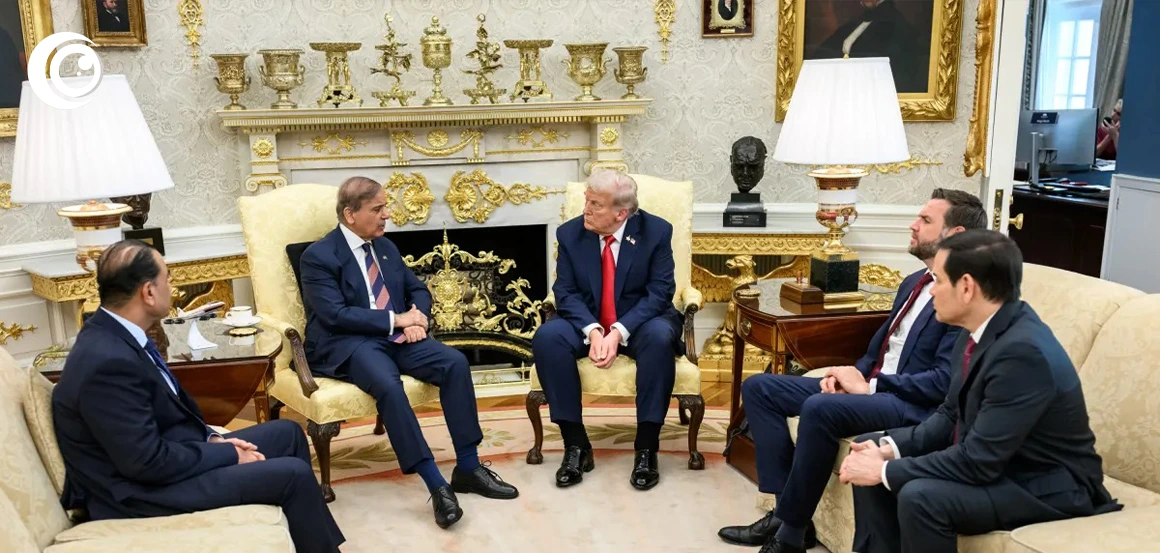
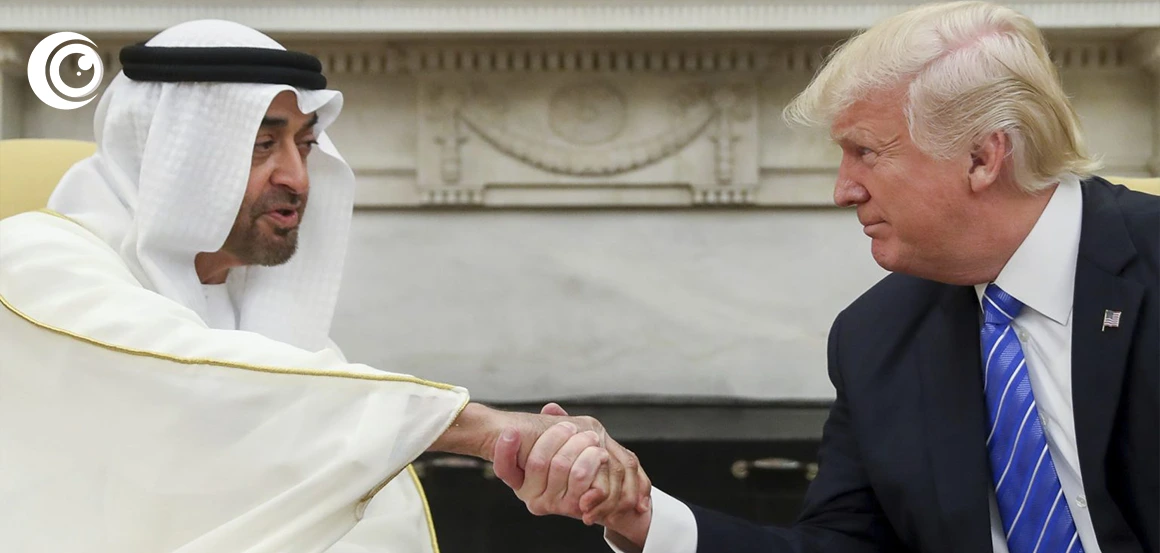
For years, Arab leaders have claimed solidarity with Palestine, but during Gaza’s darkest humanitarian crisis, most opted for silence or normalization. Yemen, already struggling with its own war and poverty, acted where others only spoke translating faith into action and transforming words into sacrifice.
Qasim’s remarks reflect growing frustration across the Muslim world over what many call selective morality: Western nations that arm Israel while preaching human rights, and Arab governments that prioritize political deals over moral responsibility. The divide between rhetoric and action has never been more visible.
As Gaza’s suffering continues, Yemen’s defiance stands as a moral benchmark an uncomfortable reminder that power and wealth do not always align with courage or conviction. While global leaders debate and delay, Yemen’s blockade has already altered the regional balance, exposing a painful truth: even under siege, a nation’s dignity can become its greatest weapon.