
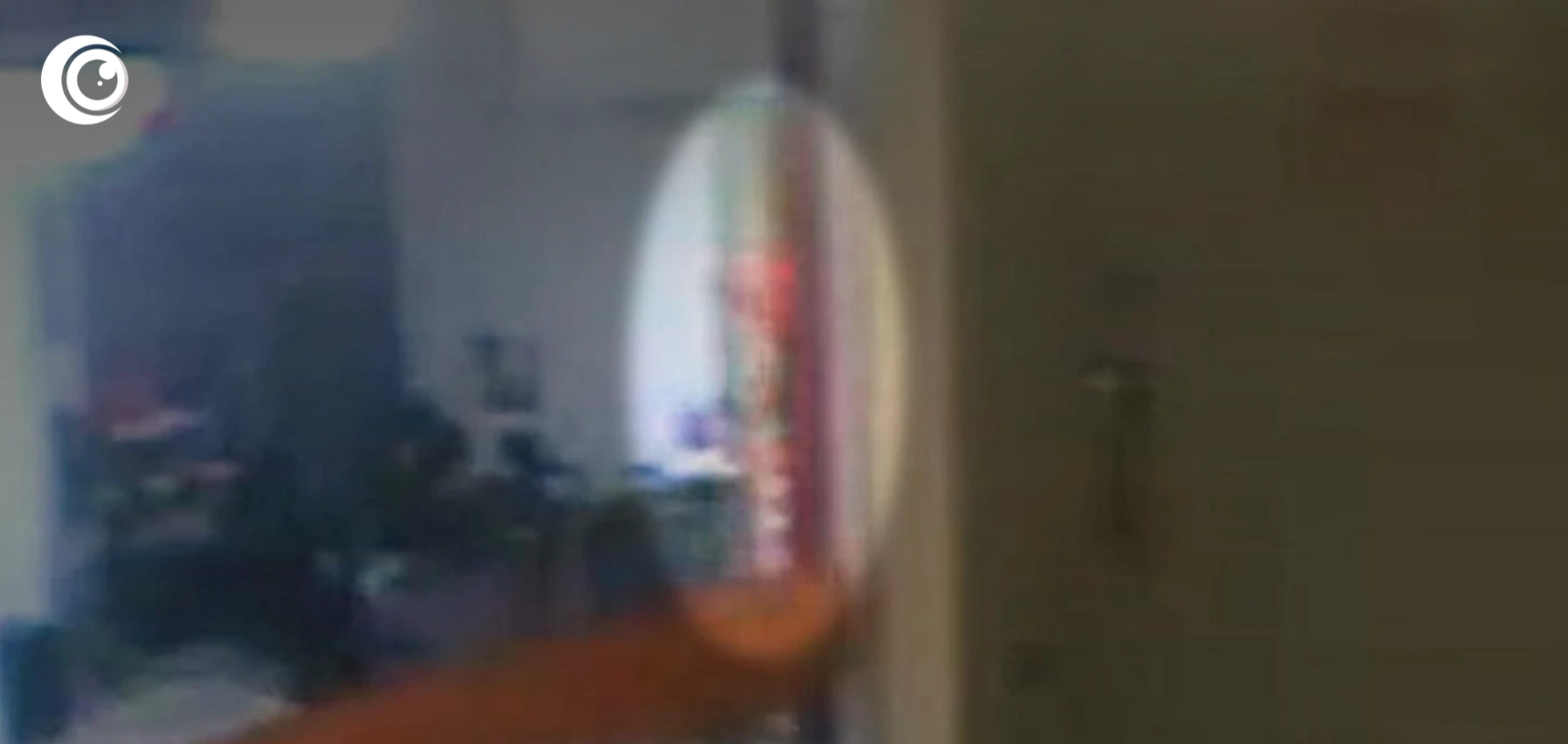




Recently released documents from the US Department of Justice reveal that investigators reviewing surveillance footage from the night of Jeffrey Epstein’s death observed an unidentified “orange-colored figure” moving within the vicinity of his cell. The reference appears in internal review materials examining security lapses and irregularities surrounding Epstein’s final hours at the Metropolitan Correctional Center in New York in August 2019.
According to the documents, analysts noted a distinct orange shape ascending a staircase leading toward the tier where Epstein was housed. The footage, described as grainy and partially obstructed, did not allow investigators to conclusively identify the figure or determine whether it was a person, an object, or a visual anomaly. The observation was logged but not resolved in the official findings at the time.
Epstein was found dead in his cell while awaiting trial on federal sex trafficking charges, in a case officially ruled a suicide. However, his death occurred amid multiple failures, including malfunctioning cameras, guards who reportedly failed to conduct required checks, and incomplete surveillance coverage in key areas of the facility.
The newly surfaced reference has renewed attention on the quality and completeness of the prison’s surveillance system. Investigators acknowledged that several cameras were either not recording or produced unusable footage, limiting the ability to reconstruct movements within the unit during critical periods that night.
Justice Department officials have not publicly clarified whether the unidentified figure was further investigated or ruled out as irrelevant. No additional conclusions linking the observation to Epstein’s death were included in the final reports, and no evidence has been presented indicating external involvement.
The disclosure has reignited public scrutiny of the official narrative surrounding Epstein’s death. While the DOJ maintains its original conclusions, the mention of unresolved visual anomalies underscores lingering questions about oversight, accountability, and the unanswered gaps that continue to surround one of the most controversial cases in recent US legal history.