
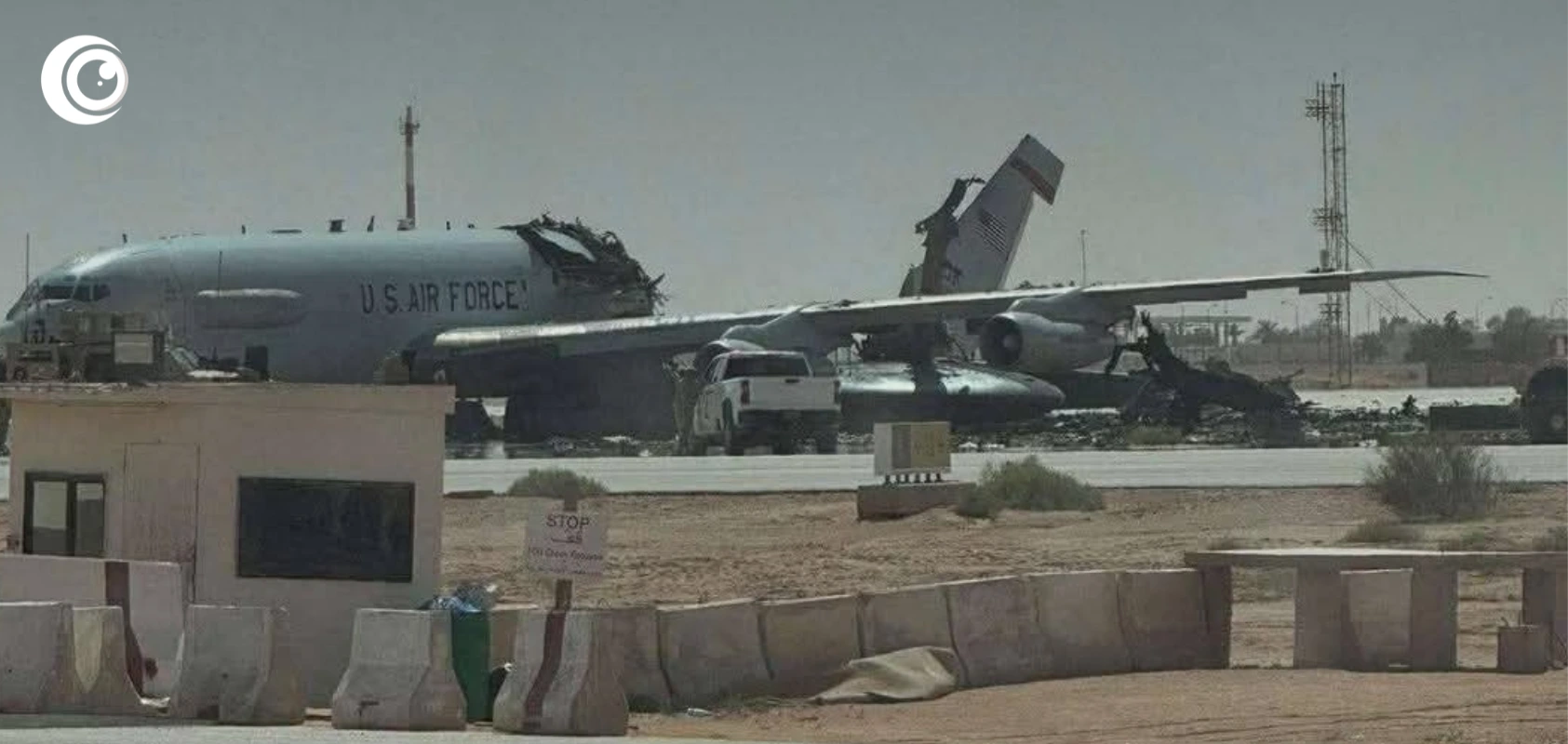

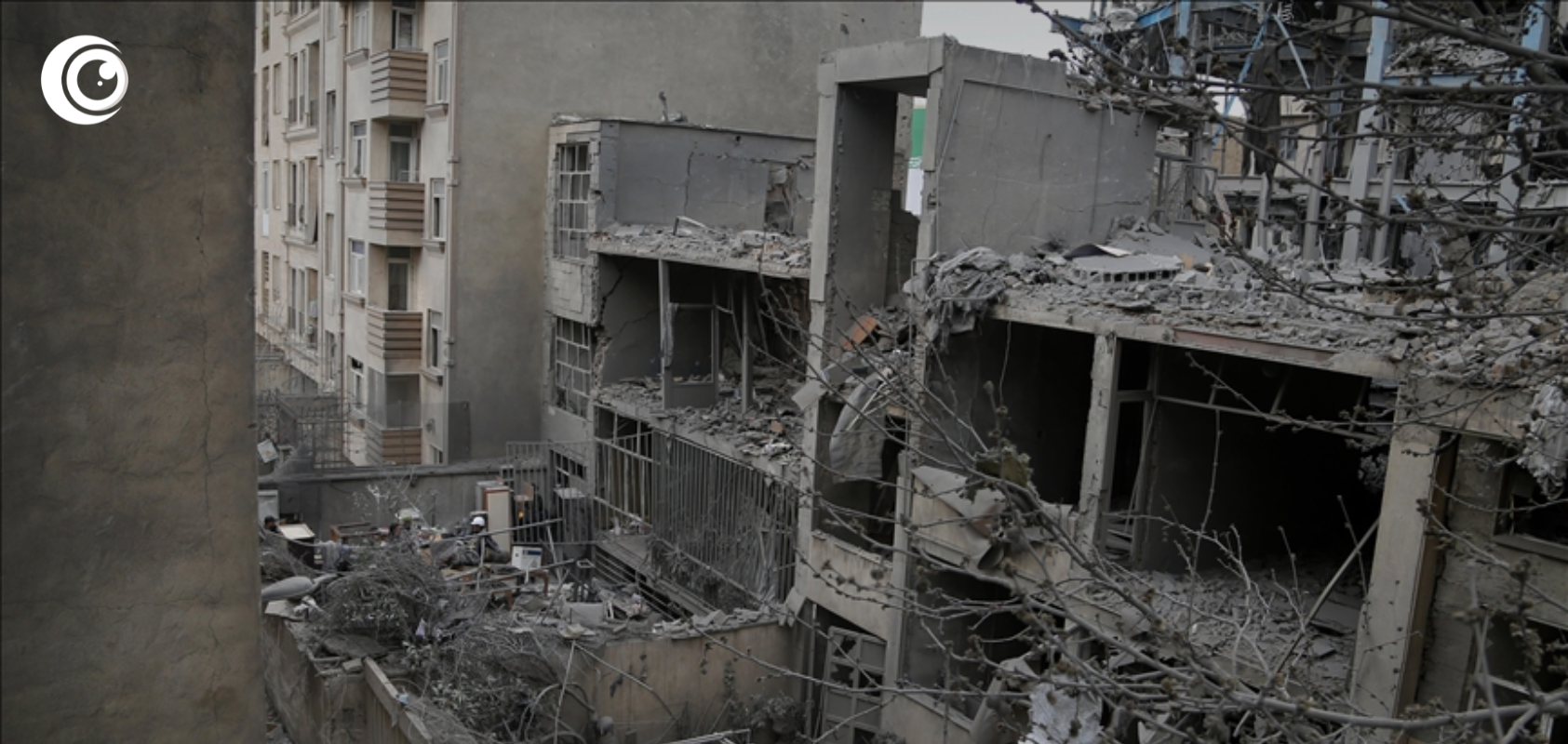
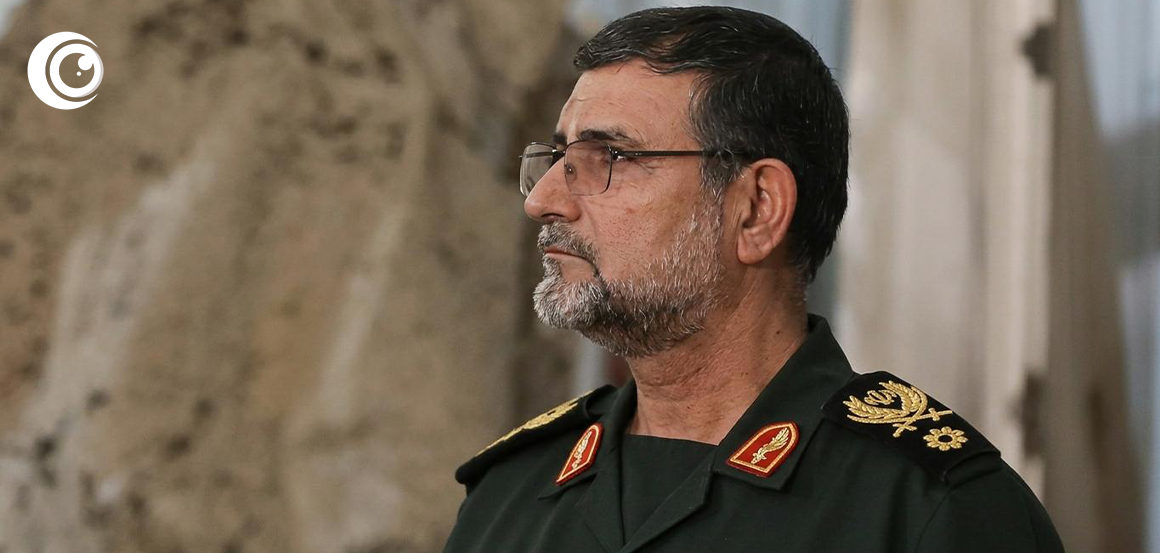

The Islamic Revolutionary Guard Corps (IRGC) has announced the successful destruction of a U.S. military “eye in the sky” during a precision strike on the Prince Sultan Air Base in Saudi Arabia. Using a coordinated barrage of ballistic missiles and suicide drones, the IRGC’s Aerospace Force targeted high value command and control assets, framing the operation as a direct response to ongoing American military aggression.
Central to the claim is the total destruction of a Boeing E-3 Sentry (AWACS), a $500 million airborne radar platform that serves as the backbone of U.S. air superiority. By neutralizing this “flying command center,” the IRGC has effectively blinded U.S. battle management in the Gulf. This strike targets the very layer that organizes fighter jets and refueling tankers, marking the most expensive single aircraft loss for the United States in the current conflict.
However, this announcement has immediately exposed a major contradiction in the U.S. narrative of “unbreakable” regional defense. While the Pentagon initially downplayed the damage, leaked imagery appears to show catastrophic structural failure at the rear of an E-3G Sentry, specifically targeting its sensitive radar dome. This tactical precision suggests that Iranian intelligence possessed exact coordinates for the most vulnerable sections of the base’s flight line.
The situation has turned the U.S. presence at Prince Sultan Air Base into a clear display of strategic vulnerability. Alongside the AWACS, reports indicate that at least three KC-135 Stratotankers, the vital refueling backbone for long range missions were also heavily damaged, with at least 12 U.S. service members wounded in the blast. The strike demonstrates that even heavily fortified “rear-area” hubs are now within reach of Iran’s evolving missile technology.
Beyond the hardware, the strike signals a massive failure in the multi-layered air defense systems that protect U.S. and Saudi assets. The ability of IRGC drones and missiles to penetrate one of the most monitored airspaces in the world suggests a shift in the technological balance. This breach forces a reality check for regional allies who have long relied on the “impenetrable” shield of American Patriot and THAAD batteries.
Ultimately, the destruction of the AWACS highlights a deeper shift in the regional power balance. By eliminating a rare and nearly irreplaceable asset, the IRGC has sent a decisive message about the cost of continued military pressure. As the smoke clears from the Al-Kharj desert, the “invincibility” of American surveillance networks has been shattered, forcing a fundamental reassessment of foreign military permanence in the region.