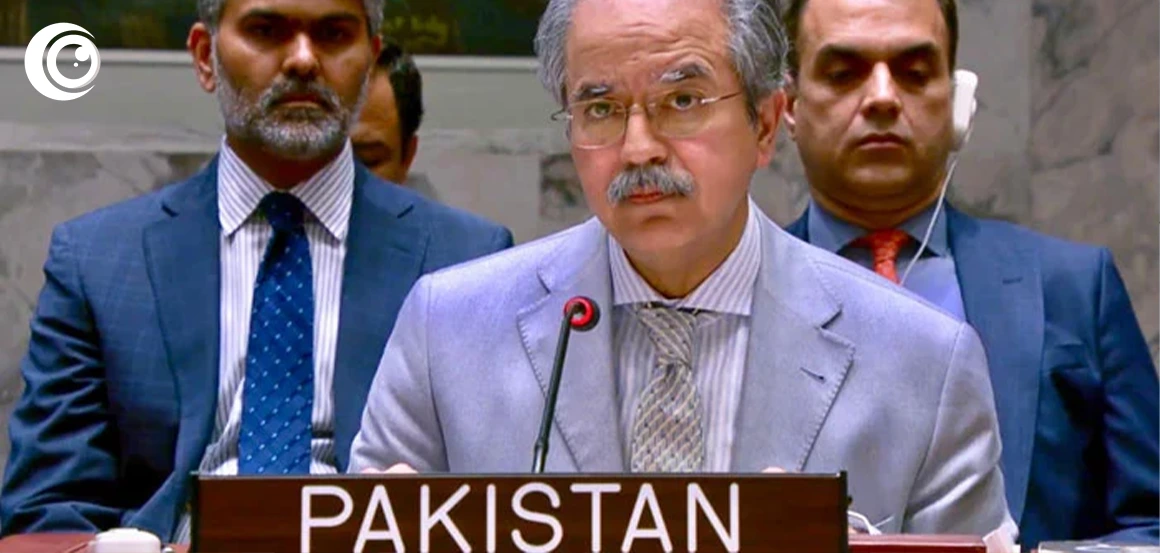
Pakistan has voted in favor of a United Nations Security Council resolution condemning Iran’s recent strikes, a move that comes amid the rapidly escalating regional confrontation. The vote places Islamabad among the countries supporting the resolution at a time when tensions remain high following Iranian missile and drone attacks targeting locations connected to U.S. military activity in several Gulf states.
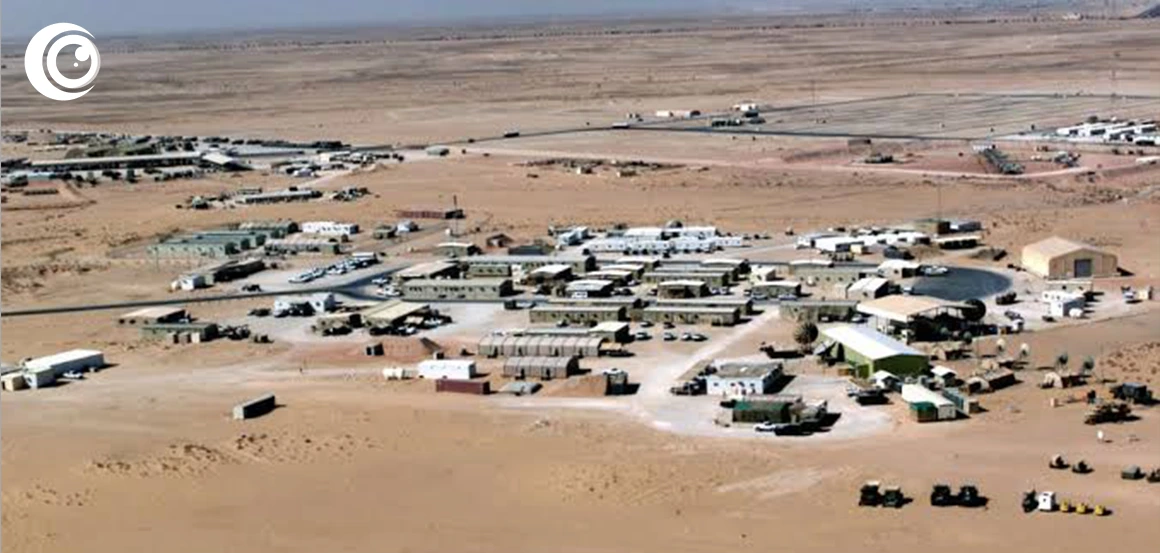
The strikes carried out by Iran were directed at U.S. military infrastructure and strategic sites operating inside Gulf countries, which Tehran considers part of the American military network in the region. Iran has maintained that these operations were aimed at U.S. assets rather than the sovereignty or civilian populations of the Gulf nations themselves.
Against this backdrop, Pakistan’s decision to support the resolution is widely viewed as aligning with Washington’s position, reinforcing perceptions that Islamabad’s stance in this crisis closely mirrors U.S. strategic interests. The vote has therefore intensified debate about Pakistan’s diplomatic posture and whether its foreign policy decisions are shaped more by global power alignments than by a neutral regional approach.
Russia and China chose to abstain from the vote, reflecting hesitation within the Security Council about endorsing a resolution that focuses solely on Iran’s actions while leaving the broader context of the conflict unresolved. Their abstention highlights the growing divisions among major powers over how the current regional escalation should be interpreted and addressed.
The development has added another layer to the wider geopolitical debate surrounding the conflict, raising questions about alliances, strategic influence, and the role of regional states as tensions continue to unfold across the Middle East.