
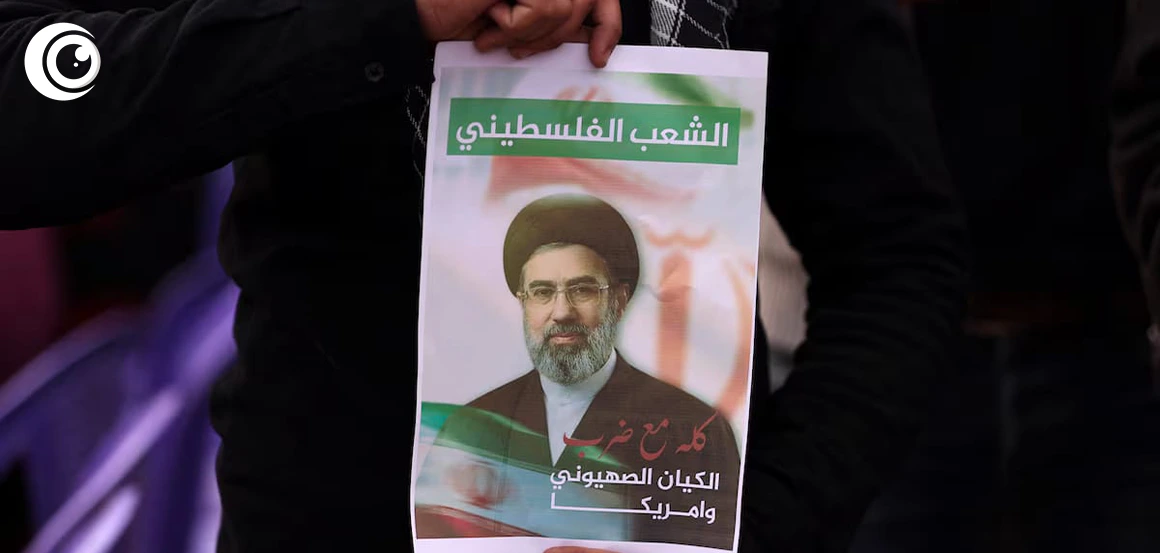
The United States has announced a reward of up to $10 million for information on senior Iranian officials, including Iran’s new Supreme Leader, Mojtaba Khamenei, in what has widely been seen as a clear sign of Washington’s growing desperation in its confrontation with Iran.
According to the U.S. State Department, the reward targets ten officials connected to Iran’s powerful Islamic Revolutionary Guard Corps (IRGC), the military force created after the Iranian Revolution and responsible for protecting the country’s leadership and political system.
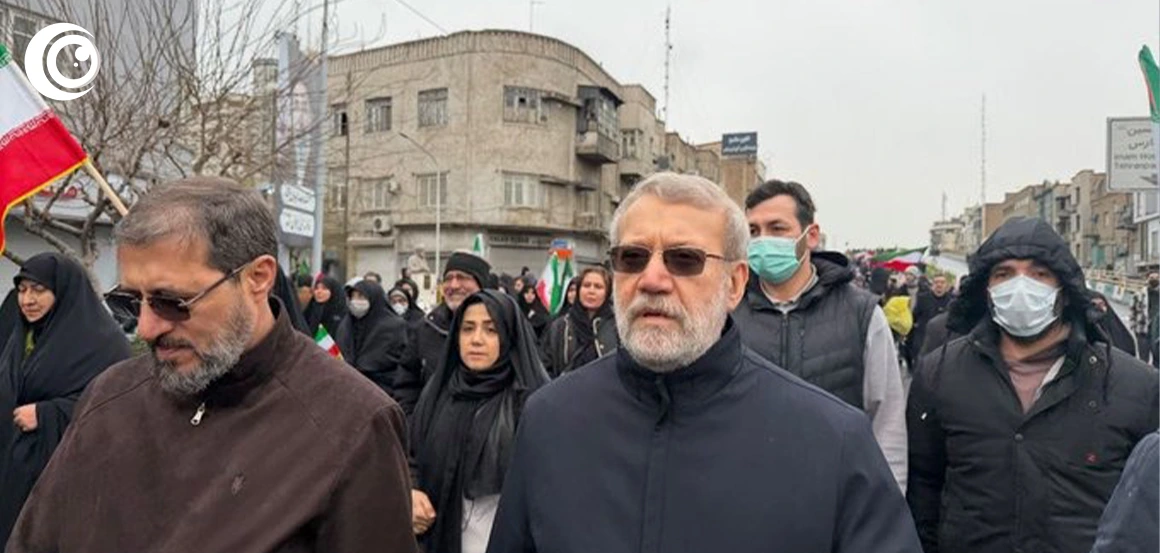
Among those listed by Washington are senior figures such as Iran’s security chief Ali Larijani, Intelligence Minister Esmail Khatib and Interior Minister Eskandar Momeni, along with several other officials connected to Iran’s security apparatus.
The move comes after the death of former Iranian Supreme Leader Ali Khamenei, who was reportedly killed in joint U.S. and Israeli strikes earlier this year. Following his death, Mojtaba Khamenei was elevated to the position of supreme leader, though reports suggest he was injured during the same attacks.
However, the reward announcement has immediately exposed a major contradiction. Several of the officials that Washington claims it is seeking information about have been appearing publicly. During the recent Quds Day rallies in Tehran, Ali Larijani was seen openly attending the event alongside Iranian President Masoud Pezeshkian and Foreign Minister Abbas Araqchi.
The situation has turned the U.S. reward announcement into a clear display of desperation. Washington is offering millions of dollars for information about officials who are openly appearing in public rallies and state events, highlighting the lack of credible intelligence and the urgency with which the United States is attempting to gather information about Iran’s leadership.
At the same time, the announcement highlights a deeper hypocrisy in U.S. policy. The United States has labeled the IRGC a terrorist organization while simultaneously conducting military strikes, targeted assassinations and covert operations across the Middle East. The killing of senior Iranian officials in joint U.S.–Israeli operations earlier this year further intensified tensions, yet Washington continues to present itself as acting under the banner of counterterrorism and security.
By placing monetary rewards on senior state officials of another country while those officials continue to appear publicly the United States has exposed both the desperation behind its intelligence efforts and the contradictions within its broader strategy toward Iran.
The development comes amid escalating tensions between Washington and Tehran, as military confrontations and political hostilities continue to reshape the balance of power across the Middle East.