
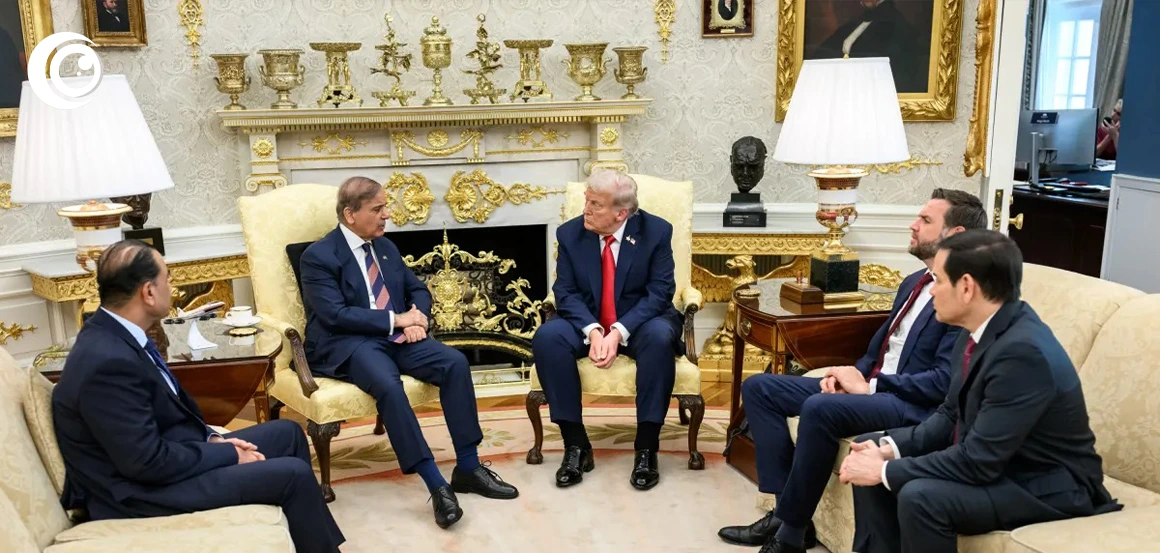


A two-week ceasefire between the United States, Israel, and Iran brokered by Pakistani Prime Minister Shehbaz Sharif on April 8, 2026 was met with immediate instability. While Islamabad announced that the agreement included a total halt to strikes in Lebanon, the truce was quickly challenged when Israeli Occupation Prime Minister Benjamin Netanyahu declared Lebanon was not part of the deal. Within hours, Israel launched a massive aerial bombardment, hitting over 100 targets across Beirut and southern Lebanon.
This “selective” application of the ceasefire has created a significant diplomatic rift. By pausing the conflict with Iran while intensifying operations in Lebanon, the U.S. and Israel have shifted the war’s focus to a single front. This strategy has strained the trust built by international mediators, as it contrasts the “total regional pause” promised by Pakistan with the reality of an escalating northern conflict.
The humanitarian impact of the strikes was instantaneous, with hospitals in Beirut and Tyre reporting a surge in casualties following the sudden wave of attacks. By treating Lebanon as an active battlefield excluded from the regional pause, the Israeli leadership has prioritized military objectives over the broader de-escalation framework. This move has fundamentally challenged the credibility of the mediation efforts just as they were gaining momentum.
In retaliation, Tehran has once again suspended tanker traffic through the Strait of Hormuz, halting the flow of global oil. Iran has informed mediators that it will not participate in the upcoming peace summit in Islamabad unless the ceasefire is applied universally to all fronts. This refusal signals that Iran will not accept a partial truce, effectively placing the entire diplomatic roadmap at risk of collapse before the negotiations can begin.
As the April 10 summit approaches, the ceasefire remains extremely fragile. The failure to align the terms of the truce across all parties has placed the United States and Israel under intense international scrutiny. Without a resolution that includes a cessation of fire in Lebanon, the transition from this brief pause back to a catastrophic regional conflict remains a heartbeat away.