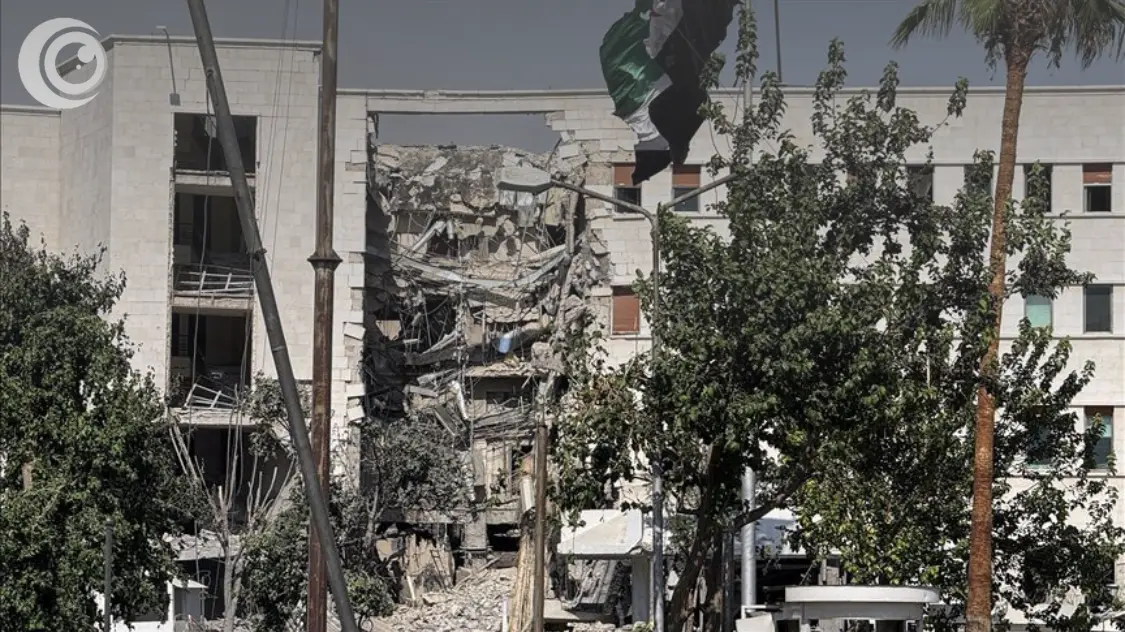
Damascus, Syria – On August 27th, Israeli warplanes carried out multiple strikes near Damascus, targeting an air defense site before launching a rare landing operation. Helicopters deployed troops for a two-hour raid near the International Fairgrounds, coinciding with ongoing negotiations between Tel Aviv and the Julani-led government over a security deal.
A day earlier, Syrian forces had discovered Israeli surveillance devices south of Damascus. When soldiers attempted to dismantle them, they were attacked, leaving several dead. Israeli media presented the assault as proof of military dominance, underscoring Tel Aviv’s determination to entrench its power across southern Syria.
Israel has steadily expanded its footprint since last year’s takeover of Mount Hermon, striking former Syrian army positions and intervening in local clashes. The upcoming deal reportedly involves demilitarizing parts of the Golan Heights and formal coordination against Iran and Hezbollah a move critics say reduces Syrian sovereignty to a bargaining chip.
Strategically, the strikes reinforce Israel’s broader plan: normalizing occupation while securing international cover. Washington and London remain firm backers, offering political shields and military aid, while Arab governments largely choose silence or discreet cooperation. This silence is not neutrality; it reflects priorities of trade, normalization, and regime security over justice and resistance.
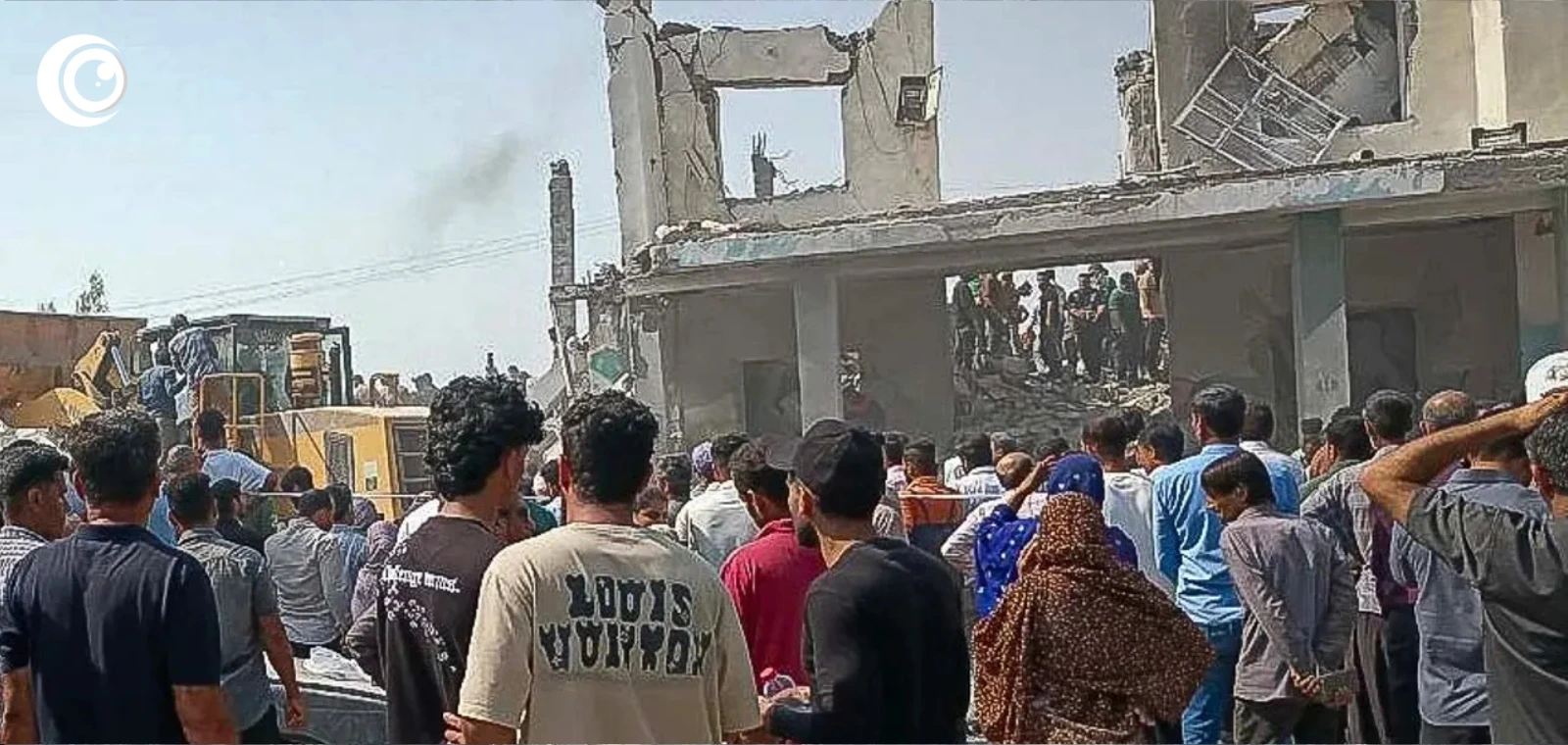
The humanitarian cost is overlooked. Each operation deepens instability for Syrian civilians and erodes international law. Hidden devices, targeted assassinations, and cross-border raids show a pattern of systematic violations. Yet the global response remains weak. Rights groups issue statements, but the UN Security Council remains paralyzed by U.S. vetoes.
For Arab regimes, the hypocrisy is glaring. Cairo signs billion-dollar gas deals with Tel Aviv while Palestinians starve in Gaza. Gulf states normalize ties under the banner of “stability” as Israel bombs hospitals and schools. These choices betray both Islamic values of justice and the very idea of regional solidarity, reducing resistance to a mere slogan.
At present, talks between Julani’s faction and Tel Aviv are said to be progressing, with September marked for possible announcement. Israel boasts of strength, Western capitals reaffirm “security guarantees,” and Arab leaders turn a blind eye. On the ground, civilians brace for the next strike, watching the balance tilt further toward an occupation increasingly normalized by silence and complicity.