
Iran has formally called for war compensation from several Arab countries, accusing them of facilitating U.S.–Israeli strikes during the recent conflict. Separately, Iranian officials have estimated that the total damage caused by the war stands at approximately $270 billion, highlighting the scale of destruction suffered.
The escalation began after coordinated strikes by the United States and Israel targeted Iranian territory in late February, resulting in widespread damage and casualties. Iran responded with retaliatory strikes across multiple regional locations, raising fears of a broader war before a temporary ceasefire was reached.
Iran’s UN envoy, Amir Saeid Iravani, has stated that countries including Saudi Arabia, United Arab Emirates, Bahrain, Qatar, and Jordan enabled the strikes by providing access to bases, airspace, or logistical support. Iranian officials argue that such facilitation makes these states responsible for contributing to the damage inflicted during the war.
The move introduces a new dimension to regional tensions, as Iran seeks to hold not only direct actors but also supporting states accountable. This could strain relations between Iran and Gulf countries while also impacting future military cooperation between Arab states and Western powers.
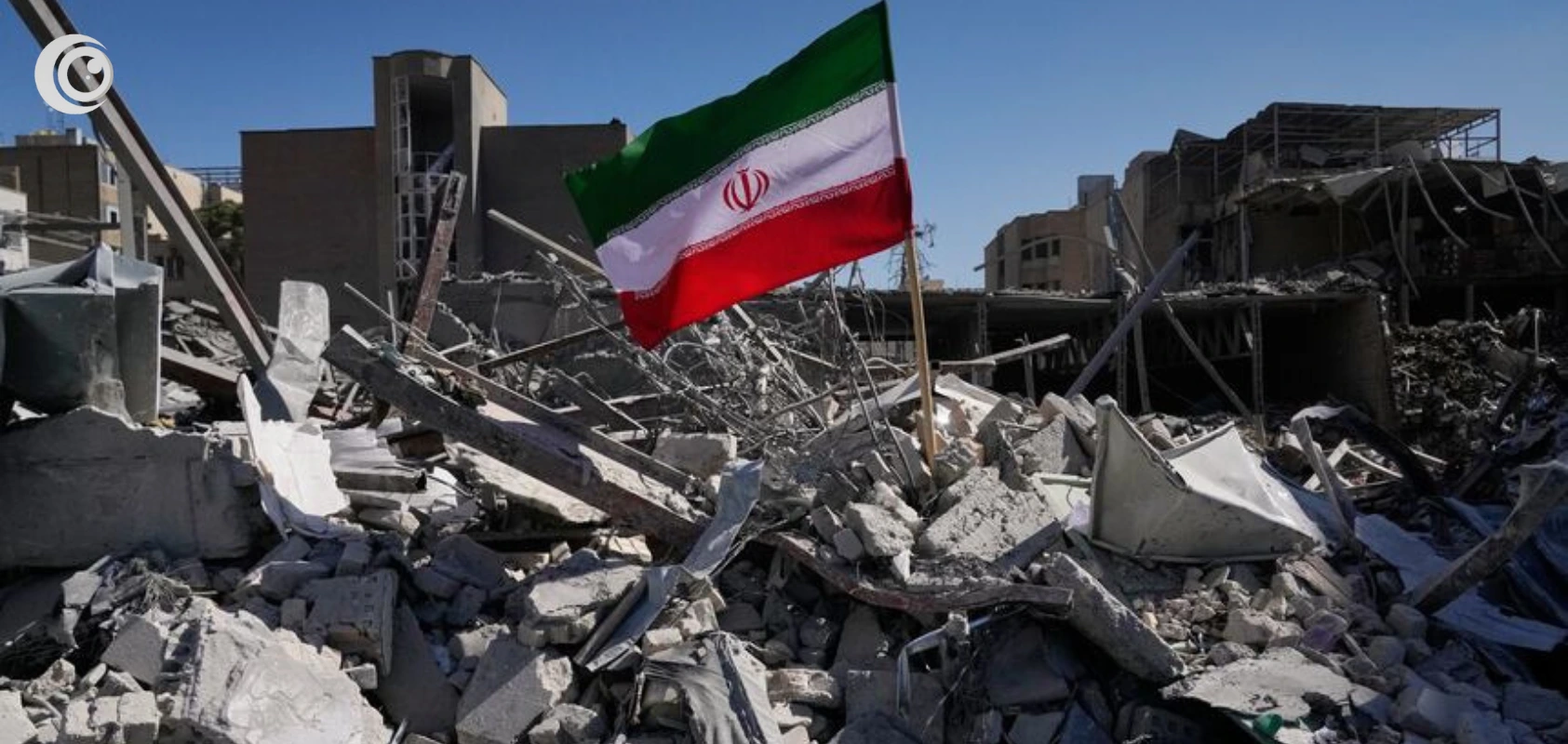
Iran maintains that the strikes caused extensive damage to civilian infrastructure, including energy facilities, transportation networks, and residential areas. The estimated $270 billion in losses reflects both immediate destruction and long-term economic impact, reinforcing Tehran’s push for compensation and accountability.
While Iran has raised the issue at the United Nations, the accused states have not accepted responsibility. International observers note that such claims are likely to face legal and political challenges, particularly in establishing direct liability for facilitation.
War compensation has now emerged as a central issue in the aftermath of the conflict. As diplomatic efforts continue, particularly through intermediaries like Pakistan, the question of accountability and reparations is expected to play a key role in shaping future negotiations and regional dynamics.