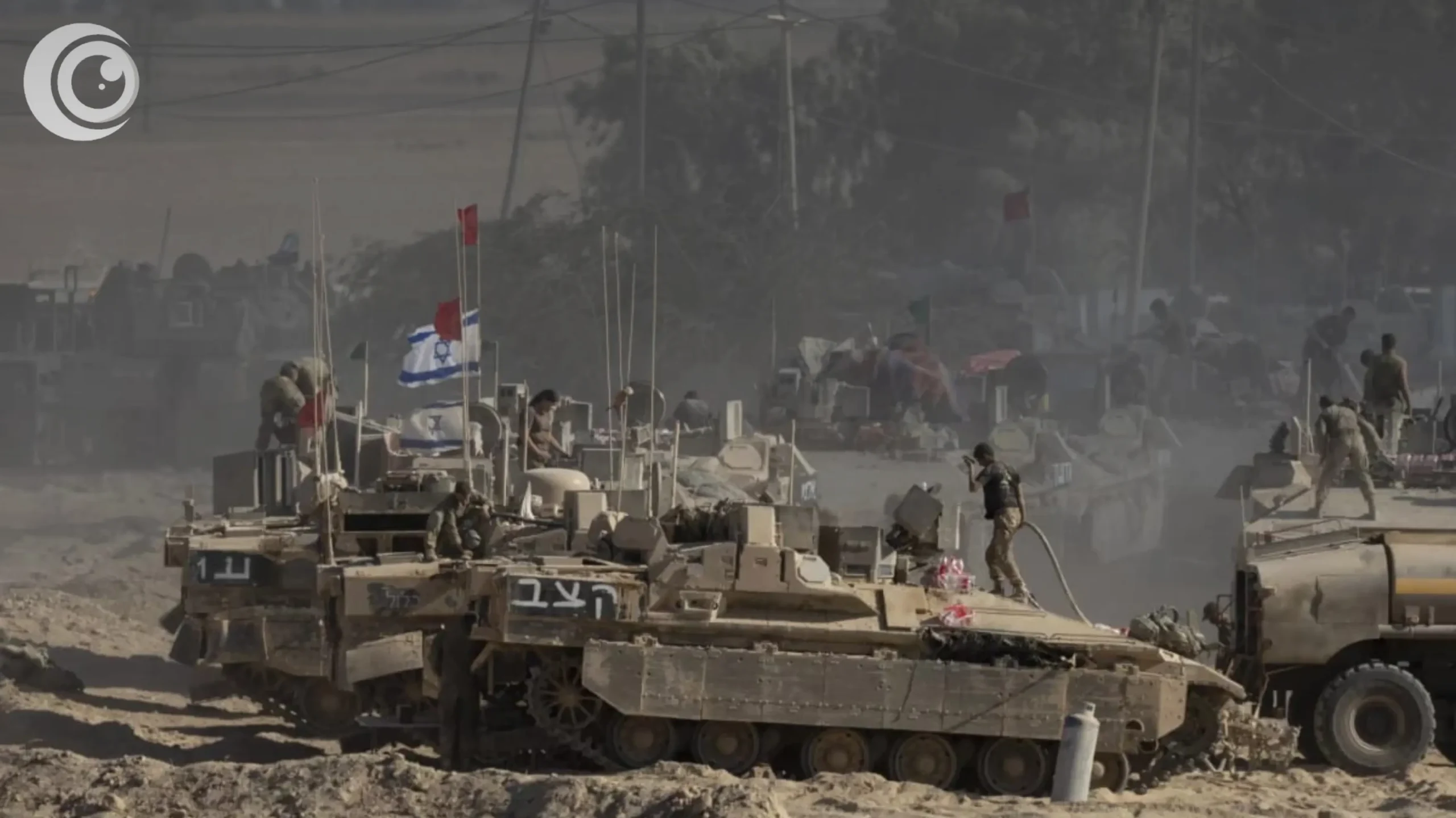
Israeli media report a growing crisis in the military as hundreds of reservists are refusing to report for duty ahead of a planned invasion of Gaza City. The development underscores widening distrust between soldiers and Prime Minister Benjamin Netanyahu’s government, raising questions about the sustainability of Israel’s war strategy.
According to reports, around 60,000 call-up orders were issued, but turnout has been alarmingly low. Many reservists, already serving for hundreds of days since October 2023, have rejected extending their service. Haaretz noted that dozens openly threatened not to appear, citing exhaustion, concern for hostages, and doubts over the purpose of the war.
Some reservists have gone further, accusing Netanyahu of prolonging the conflict for his own political survival. Commanders themselves have warned that any ground offensive risks endangering both hostages and Israeli soldiers. In protest, several reservists have declared the plan “illegal” and vowed acts of disobedience.
Military sources estimate that between 40–50% of units are not reporting for duty, a significant setback to Israel’s operational readiness. Additionally, about 10,000 soldiers are reported to be suffering from post-traumatic stress disorder (PTSD), further straining the ranks.
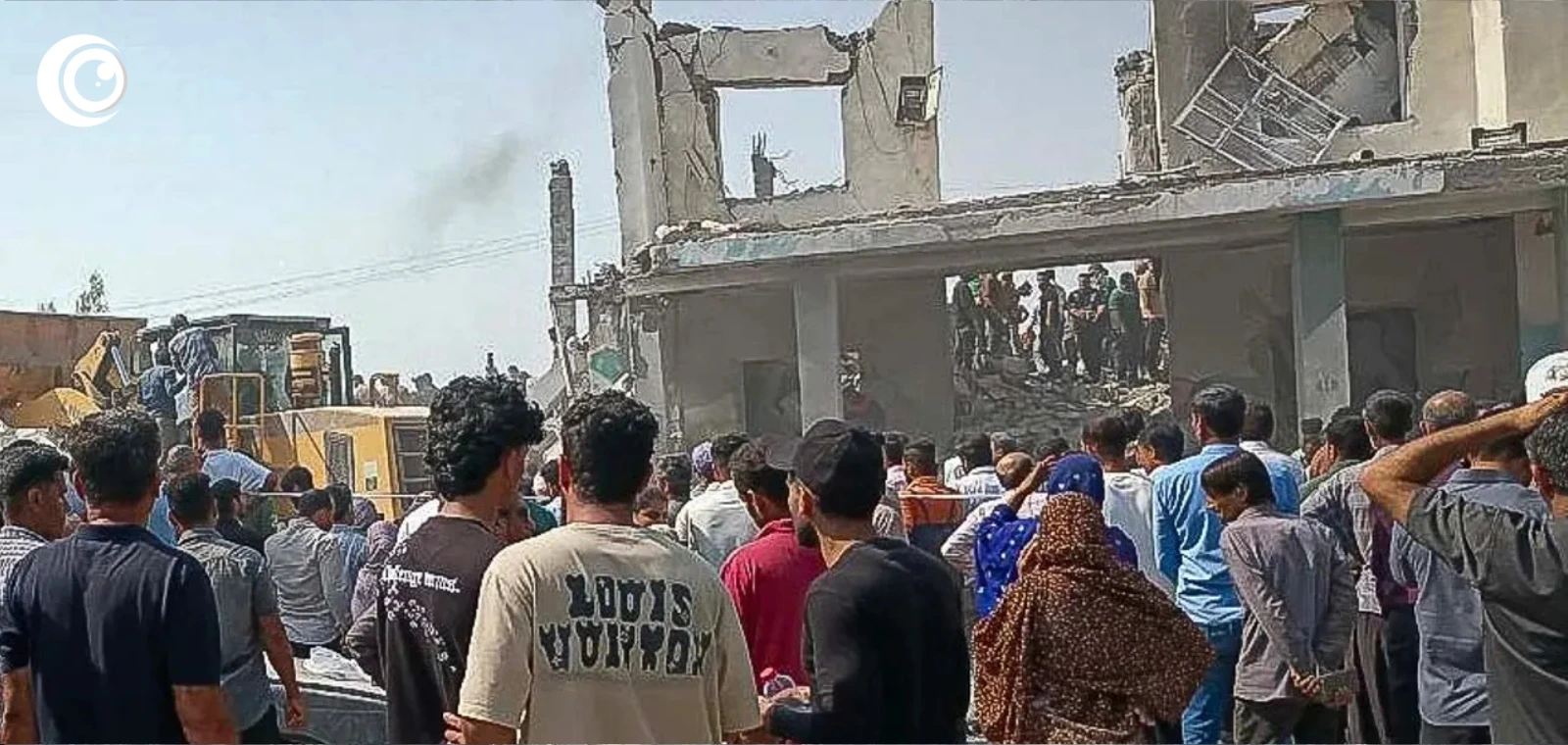
Despite these internal challenges, Israel continues its heavy bombardment of Gaza. The enclave remains home to hundreds of thousands of civilians, with the ongoing assault having killed more than 63,600 Palestinians and injured over 160,000, according to local health authorities.
The wave of refusals has sparked debate about the long-term viability of Israel’s war effort. While officials push for the Gaza City invasion, the internal fractures within the military suggest growing unease both among the ranks and across wider Israeli society.