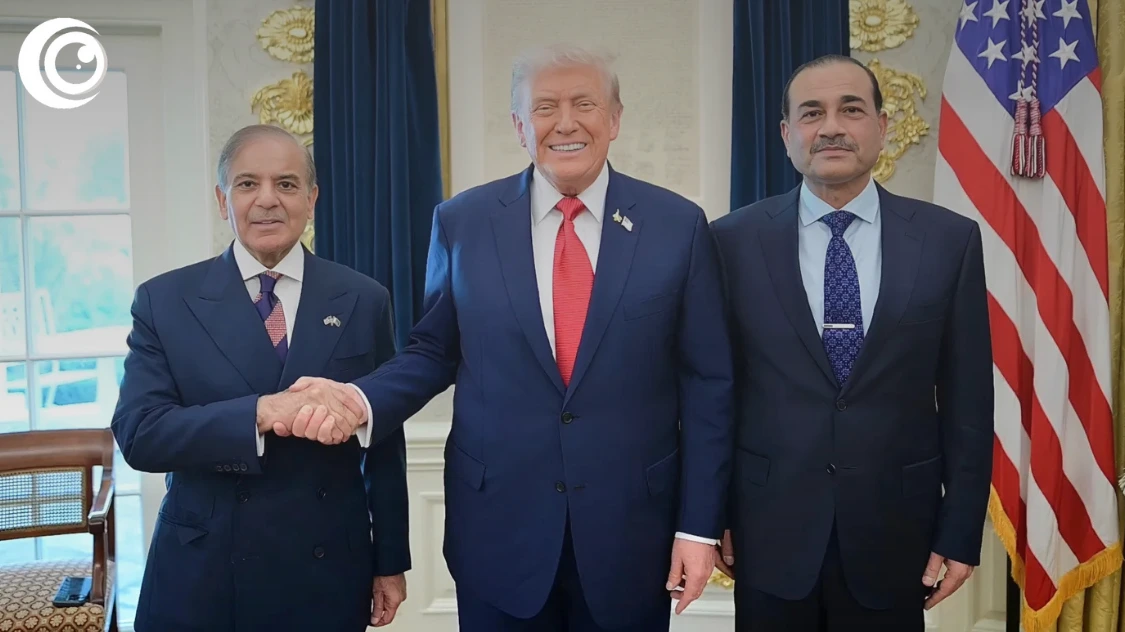
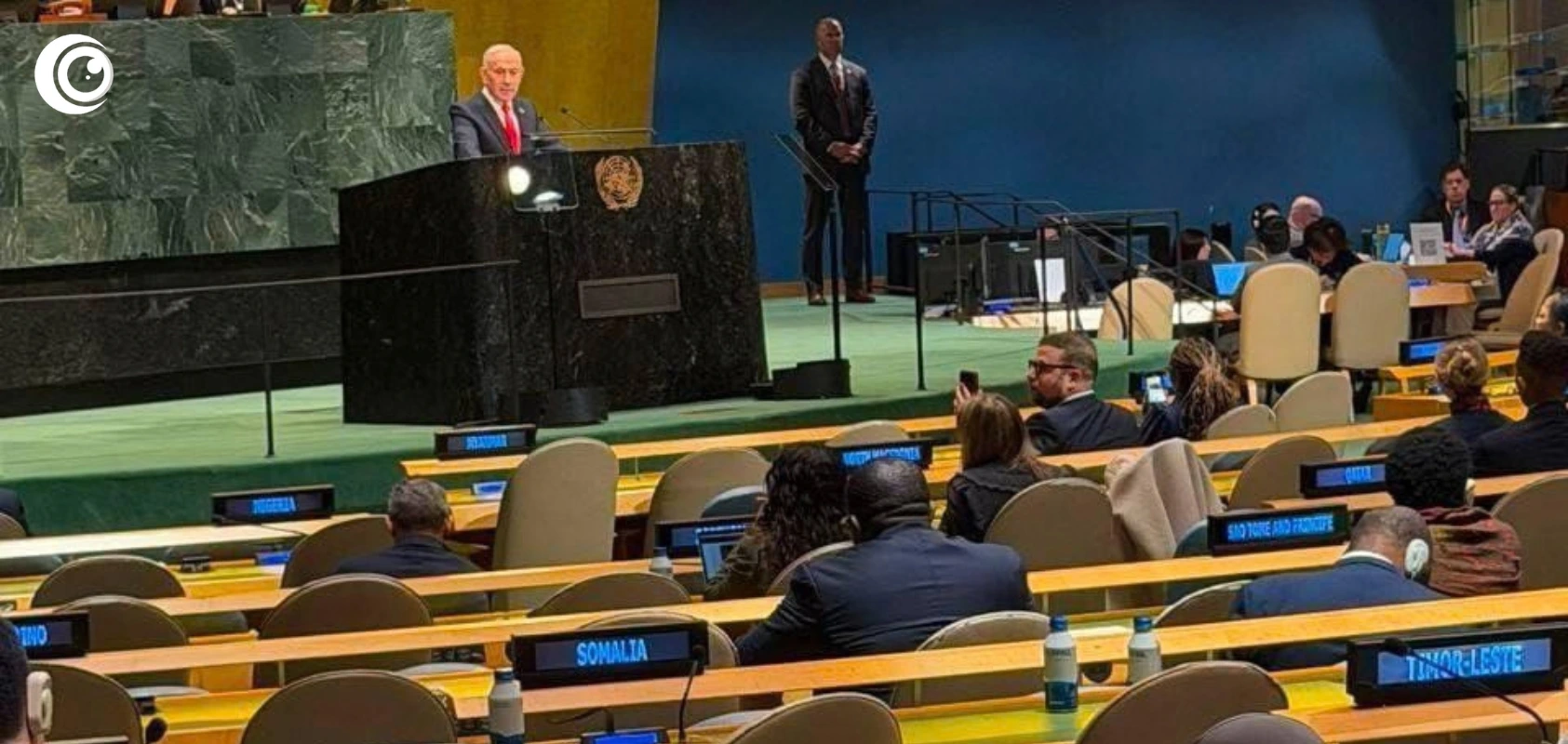
Islamabad – Prime Minister Shehbaz Sharif has emerged as one of the first global leaders to publicly endorse Donald Trump’s newly announced “Gaza Peace Plan,” a move that has sparked significant concern both internationally and within Pakistan. While the plan promises humanitarian relief and reconstruction for Gaza, critics warn that it could serve as a strategic tool to normalize Israel, undermining decades of principled support for Palestine.
The plan outlines a phased withdrawal of Israeli troops, the release of hostages within 48 hours, daily delivery of 600 humanitarian aid trucks under UN and Red Crescent supervision, and the establishment of an interim Palestinian government led by technocrats under international oversight. It also proposes redevelopment projects, including a new economic zone, and claims to protect the rights of Palestinians, including the controversial “right of return.”
However, the most contentious aspect is its path toward a two-state solution, which would ultimately recognize Israel alongside Palestine. Many analysts and civil society groups view this as a dangerous move that could legitimize decades of occupation and weaken Palestinian sovereignty.
For Pakistan, this endorsement represents a significant departure from its longstanding stance. Historically, Islamabad has refrained from recognizing Israel, framing support for Palestine as a matter of Islamic solidarity and justice. By endorsing Trump’s plan, Pakistan risks being seen as compromising these principles and aligning with international powers prioritizing strategic interests over Palestinian rights.
Critics argue that the plan echoes past initiatives that offered temporary relief while consolidating Israeli control, such as the Oslo Accords and the Abraham Accords. While immediate aid and reconstruction are urgently needed in Gaza, there are fears these measures are being used as bargaining tools to pacify Palestinians rather than deliver true justice.
Reactions have been deeply polarized. Western governments and some Arab regimes have cautiously welcomed the plan, highlighting strategic and economic incentives. Palestinian leaders and local groups, however, have denounced it as a betrayal, warning that any governance structure imposed under international oversight undermines their right to genuine self-determination.
Within Pakistan, religious leaders and civil society voices are expressing alarm, emphasizing that Al-Quds and Palestine remain sacred trusts of the Muslim Ummah, not subjects for negotiation. Endorsing a plan that paves the way for normalization with Israel risks compromising Pakistan’s credibility as a defender of Palestinian rights.
Critics conclude that while the plan presents itself as a framework for peace, it may merely rebrand the ongoing conflict, granting Israel international legitimacy while retaining decisive control over Gaza. Pakistan’s support, they argue, could unintentionally make it complicit in a process that marginalizes Palestinians and weakens their cause.
The coming weeks will reveal whether Pakistan’s endorsement will spark broader debate or set a precedent for other nations. For now, the move has intensified calls for caution, vigilance, and unwavering support for Palestinian sovereignty.