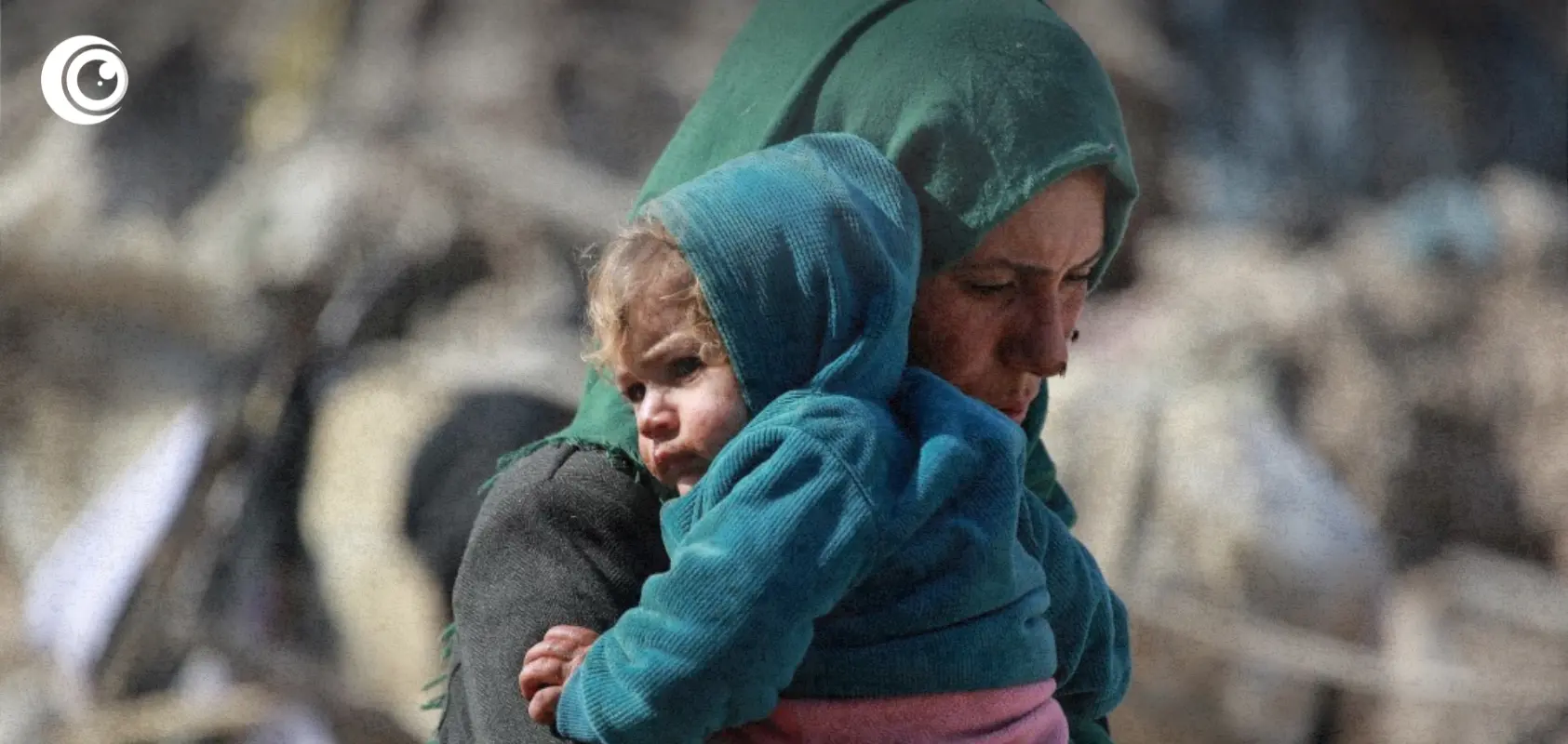
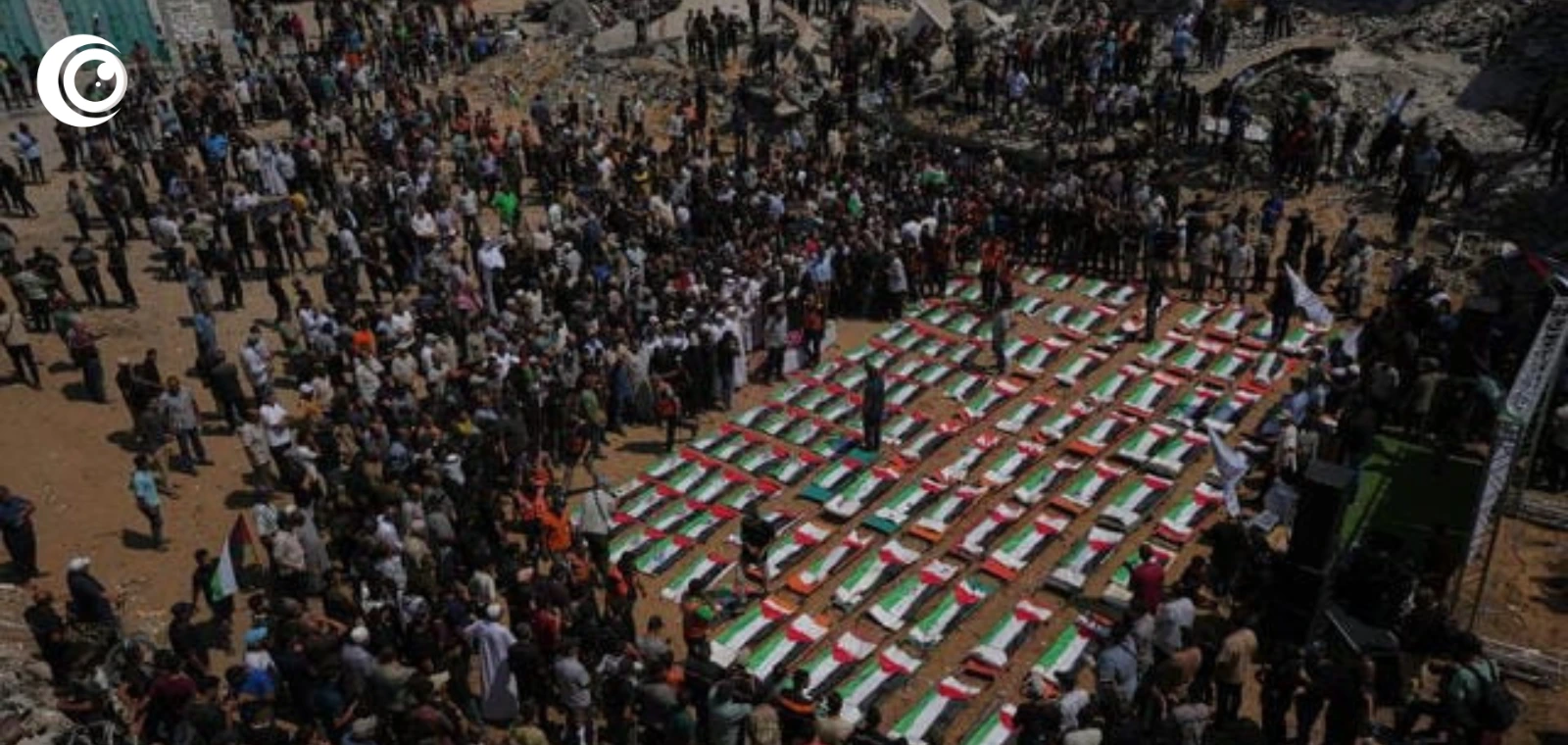
As Gaza’s shattered healthcare system collapses under the weight of relentless war and blockade, critically ill and injured children are dying while waiting for Israeli authorities to approve medical evacuation permits. Doctors and humanitarian agencies warn that dozens of young lives, many suffering from burns, amputations, and cancer, could be saved if they were allowed to leave for treatment abroad.
Hospitals in southern Gaza, particularly in Rafah, have become scenes of unbearable suffering. Medical staff, already working around the clock without adequate supplies, describe wards overflowing with wounded children. Many lie on the floor, connected to failing equipment, their families helplessly watching as time runs out.
“We can save these children if we’re allowed to move them,” said one doctor in Rafah. “But every delay means another life lost.”
With the collapse of Gaza’s healthcare infrastructure, even the most basic medical services are no longer guaranteed. Power cuts, fuel shortages, and a critical lack of medicine have rendered many hospitals nearly inoperable. Medical officials say that if evacuation channels were opened, many of the critically ill could be stabilized and treated abroad.
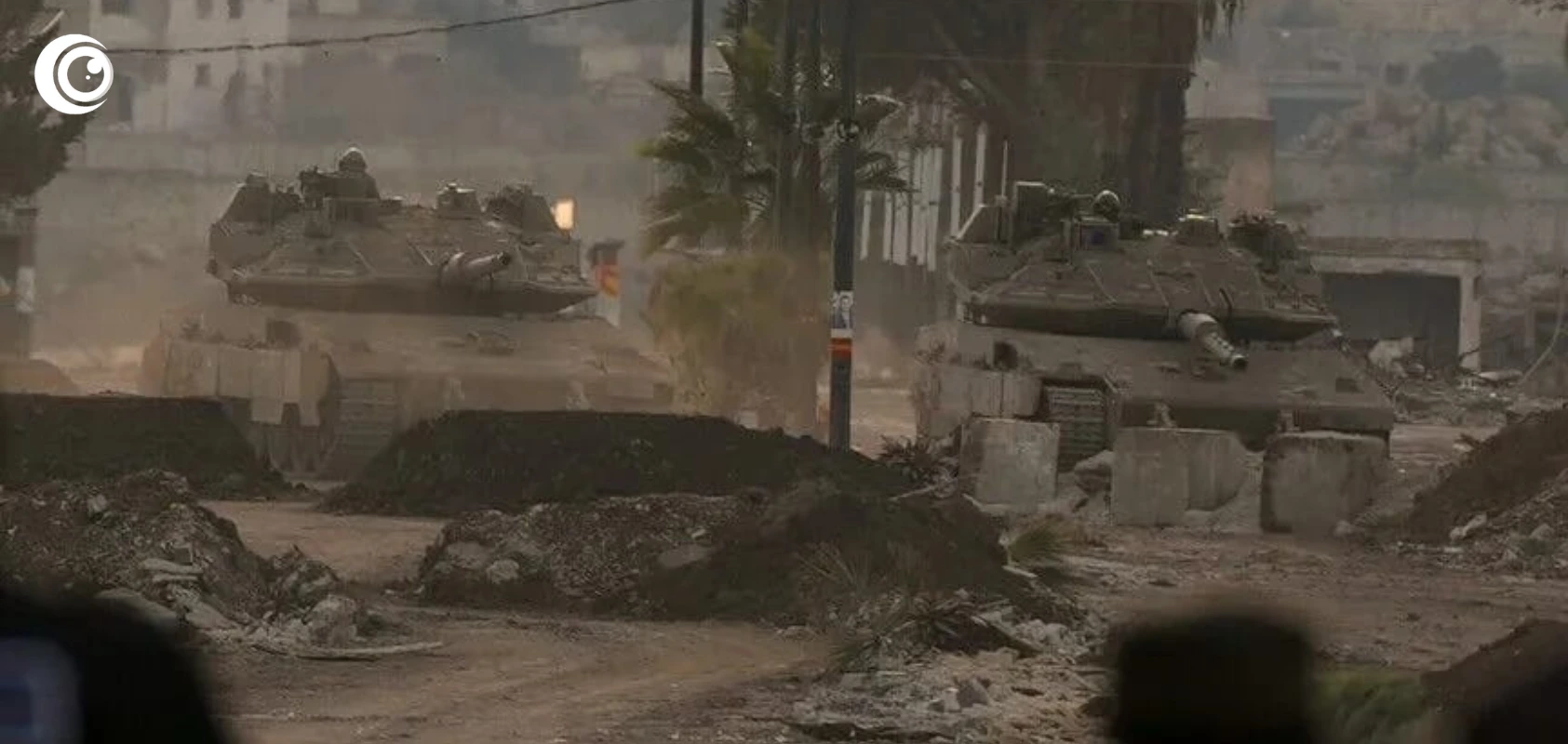
The World Health Organization (WHO) and other humanitarian agencies have repeatedly appealed to Israel to expedite evacuation approvals, but the process remains slow, opaque, and unpredictable. Israel continues to exercise full control over border crossings, including Rafah and Kerem Shalom, where even humanitarian transfers are subject to lengthy review.
Aid groups report that some children have died in recent weeks while waiting for permits to cross into Egypt. Deaths that doctors describe as “preventable tragedies.”
The humanitarian situation in Gaza has reached unprecedented levels of desperation. Months of bombardment and a total blockade have left hospitals short of anesthetics, antibiotics, and life-support equipment. Clean water and food supplies are scarce, and medical workers face exhaustion amid continuous waves of casualties.
Human rights organizations and UN agencies have condemned the restrictions as violations of international humanitarian law, emphasizing that denying or delaying medical access for civilians, especially children, constitutes collective punishment.
“No child should die because a border crossing is closed,” said a humanitarian worker involved in Gaza’s medical coordination efforts. “Every hour of delay costs lives.”
For thousands of families in Gaza, hope has narrowed to a single question: whether a permit will arrive in time. Many now wait at hospital gates, clutching medical reports, praying for the chance to save their children’s lives.