
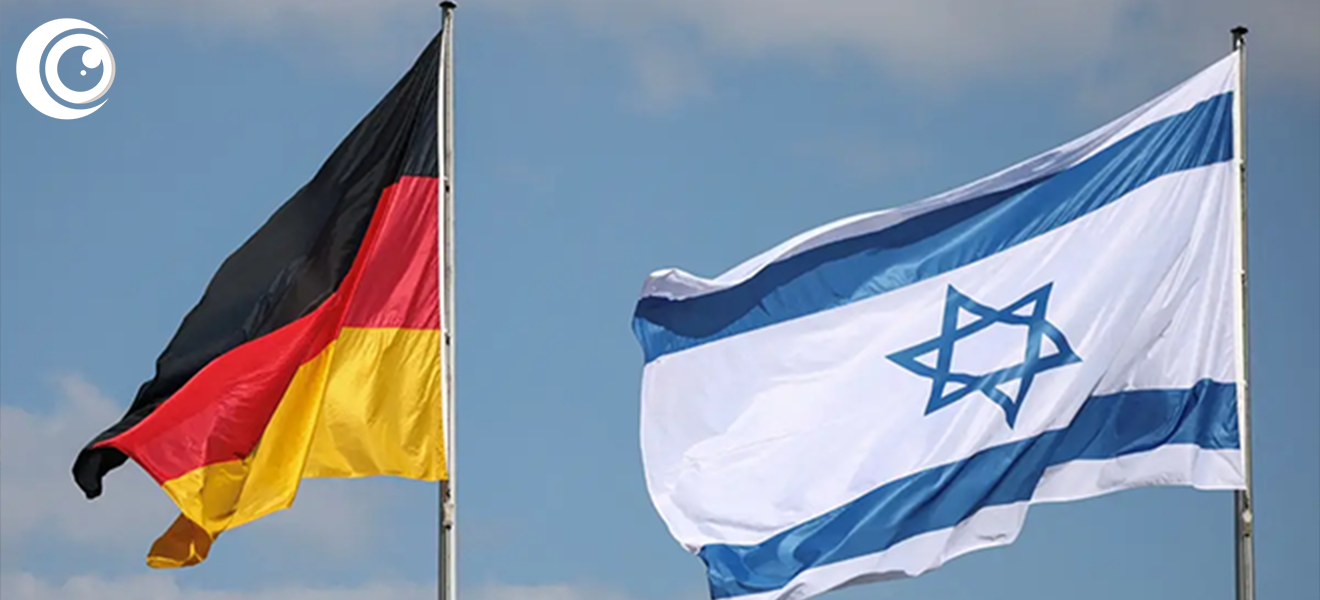
The German government has announced its decision to resume arms exports to Israel after a temporary halt earlier this year, marking a significant shift in Berlin’s defence policy during a period of heightened conflict and growing scrutiny over military support to the region. The move underscores Germany’s continued commitment to Israel’s security, while also reigniting debates over international law, humanitarian concerns, and the geopolitical implications of European military cooperation.
Germany has historically maintained close defence and security ties with Israel, rooted in post-World War II political responsibility and long-term strategic alignment. Over the years, Berlin has supplied a range of military equipment to Israel, including communications systems, ammunition, and naval components.
However, following intensified conflict in Gaza and increasing pressure from human rights organisations in mid-2024 and early 2025, Germany temporarily paused several pending export approvals. This pause prompted internal political debates, legal challenges, and international reactions, as civil society groups demanded greater oversight of European arms transfers to conflict zones.
According to government officials, the resumption of exports follows a reassessment by Germany’s Federal Security Council, which concluded that ongoing contracts could proceed under existing export regulations. The decision reportedly includes the release of several previously frozen shipments involving defensive equipment and specialized components used in Israel’s military systems.
The government emphasized that the resumed transfers would remain “within strict legal boundaries,” asserting that each shipment had undergone a case-by-case humanitarian and strategic evaluation. Critics, however, argue that such assurances do not sufficiently address concerns about the use of German-made weapons in active conflict areas.
The decision is expected to strengthen bilateral defence ties at a time when regional instability in the Middle East continues to intensify. Analysts note that Germany’s move sends a clear message about its alignment with Western security partners, particularly the United States and the European Union, who view Israel as a strategic ally in the region.
However, the policy shift may deepen diplomatic tensions with countries critical of Israel’s military actions, and could complicate Berlin’s position in upcoming EU debates on arms export regulation. Experts warn that the decision may also influence broader discussions on Europe’s strategic autonomy and its role in conflict mediation.
Human rights groups in Germany and across Europe condemned the resumption, warning that uncontrolled weapons transfers could violate international humanitarian law if exported materials contribute to civilian harm. Several German NGOs have already indicated plans to challenge the decision in administrative courts, arguing that Berlin must halt exports until independent investigations clarify potential violations in the ongoing conflict.
The German government responded by stating that all exports undergo rigorous oversight and that no evidence has yet proven direct misuse of German-origin equipment.
Israeli officials welcomed the announcement, calling Germany’s decision “an important contribution to regional security and the defence of democratic values.”
Meanwhile, opposition parties inside Germany expressed mixed reactions. Some conservative lawmakers praised the move as necessary for maintaining international commitments, while left-leaning parties criticized it as morally and politically irresponsible.
Across Europe, responses were divided: several EU states highlighted Germany’s sovereign right to determine export policy, while others hinted at the need for stronger union-wide restrictions to ensure compliance with humanitarian principles.
Germany’s decision to resume arms exports to Israel reflects a complex balance of historical responsibility, strategic alignment, and political pressure. As debates continue within Germany and across Europe, the move marks a pivotal moment in shaping the trajectory of European military policy and its role in one of the most contested conflicts of the modern era.