
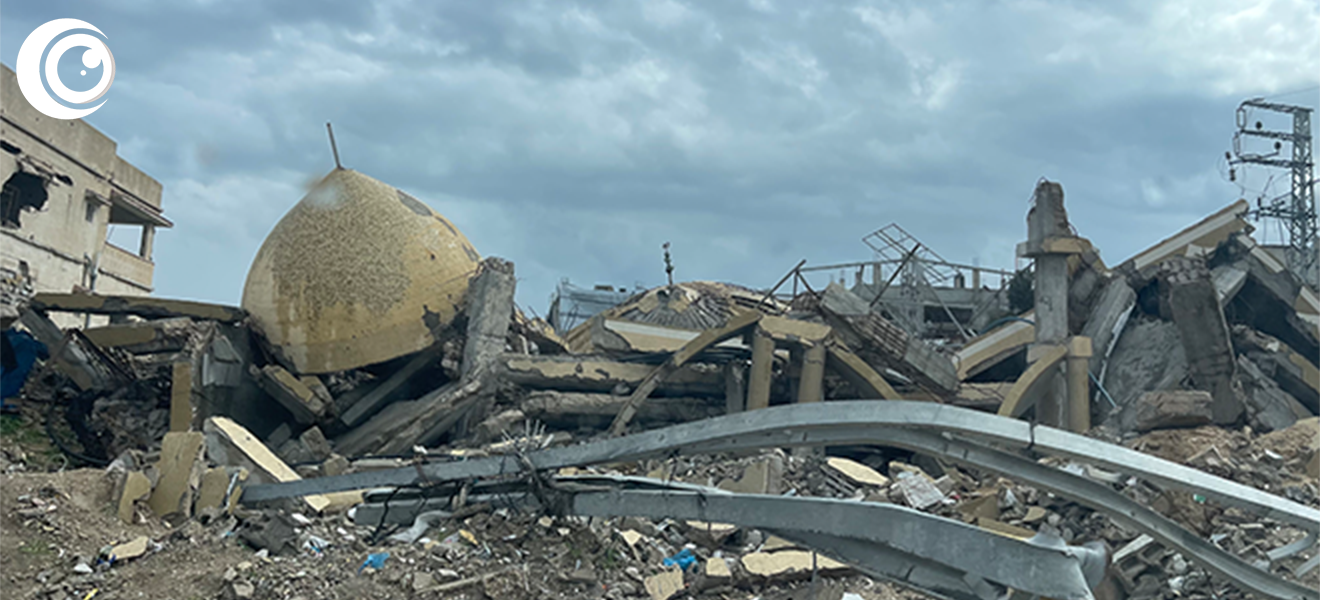




A historic palace in Gaza considered one of the region’s most important archaeological landmarks has been destroyed amid ongoing Israeli military operations, with Palestinian heritage officials reporting that more than 20,000 ancient artifacts have been looted or lost. The incident has sparked global outrage, raising alarm over the irreversible erasure of cultural heritage during the conflict.
The palace, located in central Gaza, dates back centuries and housed one of the most significant collections of artifacts from various eras including Roman, Byzantine, Islamic, and Ottoman periods.
For years, Palestinian archaeologists and international researchers worked to preserve the site, which served not only as a historical symbol but as a cultural educational center showcasing Gaza’s multi layered history.
During previous conflicts, the museum and archaeological buildings in Gaza suffered minor damage, but the latest destruction is described by officials as the most severe cultural loss in decades.
Local authorities confirmed that Israeli airstrikes and ground operations around the palace area left the structure completely leveled. Images shared by Gaza’s antiquities department show collapsed walls, shattered pillars, and teams searching through debris in hopes of recovering remaining heritage pieces.
Officials allege that after the destruction, over 20,000 artifacts many catalogued and preserved in storage rooms were removed, looted, or disappeared, including coins, pottery, sculptures, ancient manuscripts, and rare Islamic era inscriptions.
The Israeli military has not acknowledged responsibility for the damage nor addressed claims about missing artifacts.
Heritage experts warn that the loss represents not just physical damage but a profound blow to Gaza’s identity and historical continuity.
Cultural analysts argue that destroying archaeological sites eliminates crucial evidence of the region’s shared history, affecting academic research and future cultural preservation efforts.
The loss also complicates future reconstruction efforts, as rebuilding heritage sites requires years of restoration work, specialized teams, and international funding resources currently strained by the continuing conflict.
International heritage protection organizations, including UNESCO affiliated groups, expressed concern, noting that cultural property is protected under international law.
Looting or transferring artifacts from conflict zones may constitute a violation of the 1954 Hague Convention on Cultural Property, to which Israel is a signatory.
Human rights advocates argue that the destruction contributes to the broader humanitarian crisis in Gaza, where civilians have not only lost homes and lives but also the symbols of their historical and cultural identity.
Palestinian officials described the event as a “deliberate erasure of cultural memory,” urging international bodies to investigate and intervene.
Cultural institutions in Europe and the Middle East condemned the destruction, calling for the return of any artifacts that may have been removed from the site.
Global historians, academics, and museum experts issued statements warning that the loss of 20,000 artifacts could permanently distort the region’s documented history.
The destruction of Gaza’s historic palace and the disappearance of thousands of artifacts mark a devastating cultural setback for the region. As global pressure mounts for cultural protection and accountability, the incident underscores the broader impact of conflict not only on lives but also on the heritage that tells the story of generations.