
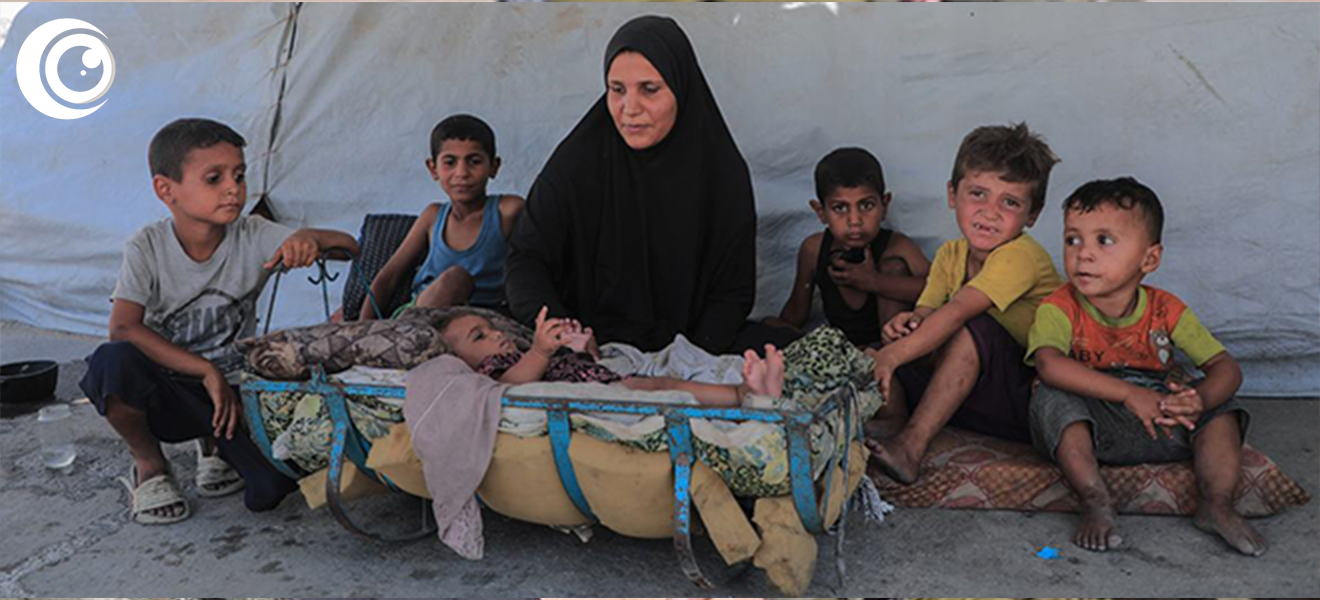




A growing number of aid organizations are sounding the alarm: global donations to Gaza have plunged sharply since the cessation of large scale fighting, raising fears of a looming humanitarian collapse. Fundraisers warn that the reduced flow of funds could starve essential services, even as Gazans continue to live in devastated neighborhoods under dire conditions.
During the conflict, Gaza received unprecedented levels of aid. But with media attention dwindling and donor fatigue setting in, relief agencies say many donors now believe that needs have significantly diminished something field workers dispute. The truth is far more complex: despite the ceasefire, everyday life in Gaza remains far from normal.
Entire districts still lie in ruin, with families living in shelters made of rubble, tents, or unfinished buildings. Hospitals remain overcapacity, and clinics struggle to provide medicine, clean water, and winter supplies. Meanwhile, food insecurity is widespread, and many children go to bed hungry.
According to aid groups, donations from international philanthropy and private contributors have dropped by more than half since the ceasefire. They say that operational costs for food distribution, healthcare, sanitation, and shelter maintenance are rising just as funding dries up. Agencies warn that without a major rebound in giving, they may soon have to reduce or suspend services in some of the hardest hit areas.
A particularly worrying aspect is psychological care. Many children in Gaza are now dealing with deep trauma, but mental health programs already stretched are being cut back due to funding constraints. This could have long term consequences for a generation coming of age in crisis.
Organizations are urging donors not to mistake a ceasefire for recovery. They argue that peace on the surface doesn’t equate to normalcy: Gaza’s infrastructure is shattered, and the population remains deeply vulnerable. Some aid leaders are calling on governments, charities, and the global public to renew their support urgently.
If the drop in funding continues, the gains made during the disaster response could unravel. The risk is not just a return to instability it’s a humanitarian regression where millions could struggle not just with rebuilding their lives, but simply surviving day to day.