
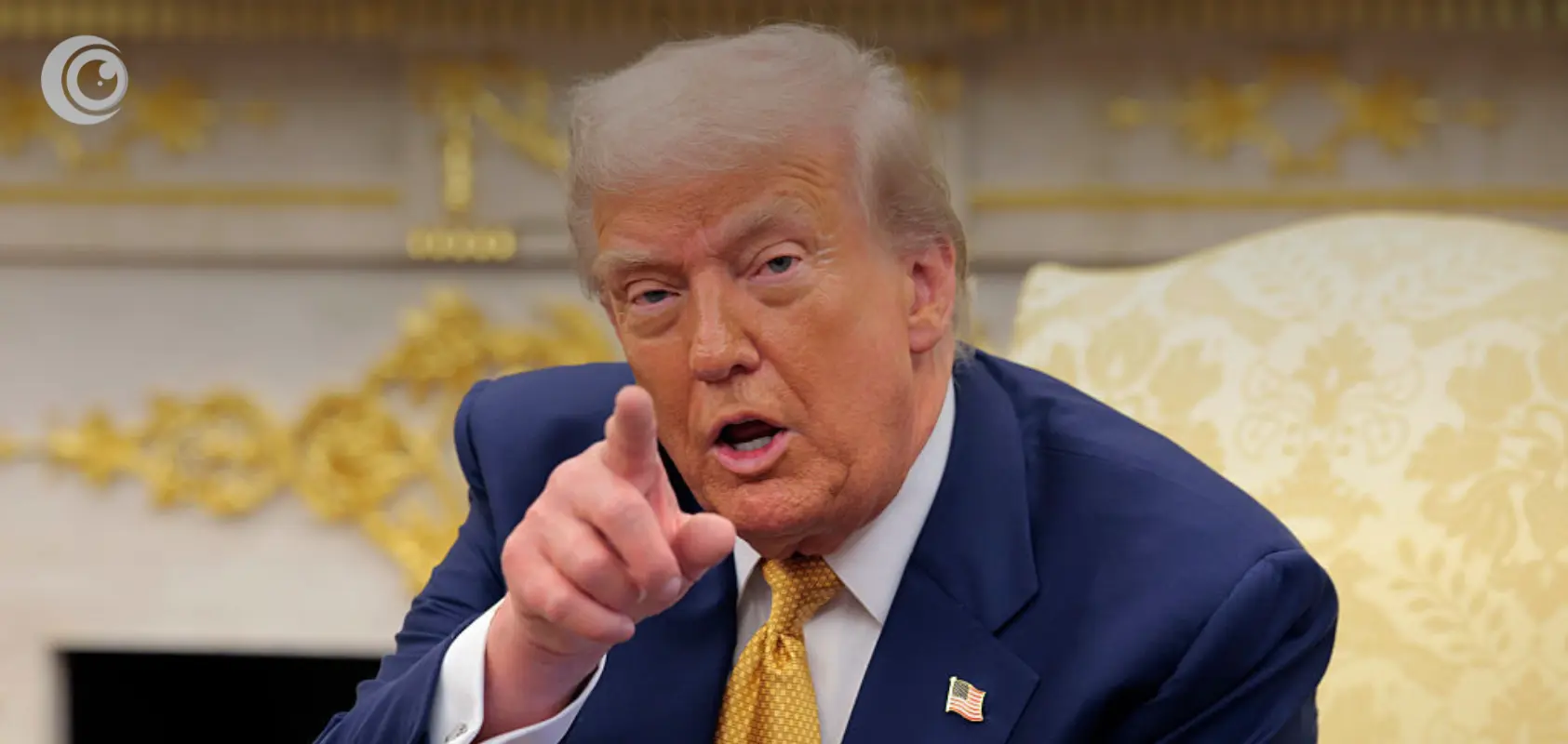
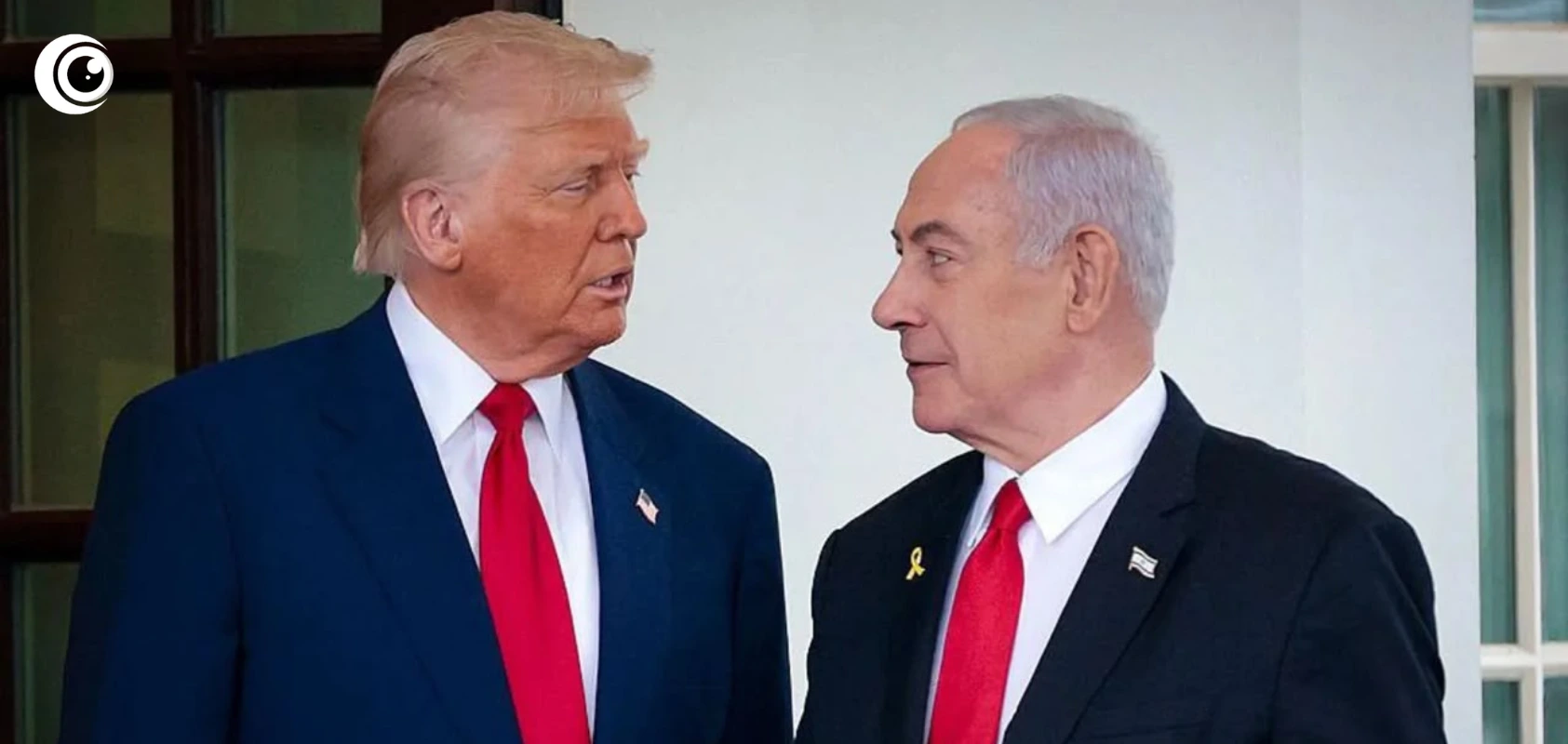
US President Donald Trump declared on Thursday that his administration will permanently halt immigration from all so-called “Third World countries,” a move he framed as essential for national security. The announcement came after the killing of a National Guard member near the White House. However, critics argue that the migrants Trump seeks to block largely come from nations destabilized by decades of US military intervention, economic pressure, and political interference.
For decades, the United States has played a direct or indirect role in shaping conditions in many of the countries now labeled “Third World.” From military invasions in the Middle East, to regime change operations in Latin America, to long-term sanctions on countries in Africa and Asia, Washington’s actions have contributed to economic collapse, civil unrest, and humanitarian crises.
Millions displaced by war, poverty, and instability often flee toward the United States in search of safety conditions critics say America helped create.
Despite this history, the Trump administration has repeatedly used immigration restrictions as a political tool, portraying migrants as a threat while avoiding discussion of the US policies that triggered these mass displacements.
Trump’s new policy imposes an immediate freeze on visas, entry permits, and migration pathways from dozens of countries. He justified the move by linking it to the recent deadly attack near the White House, even though no evidence has connected the incident to foreign migrants.
Rights groups and analysts say the policy is designed to divert attention from domestic failures by blaming outsiders. They also highlight the contradiction: the US destabilizes regions for years, then shuts its doors on the people fleeing the chaos.
The Department of Homeland Security has begun drafting strict enforcement measures, which may include the suspension of refugee programs and expanded vetting procedures targeting communities already traumatized by war and poverty.
The decision threatens to escalate diplomatic tensions, especially with countries suffering from conflicts linked to past US intervention such as Iraq, Afghanistan, Libya, Syria, Honduras, and Somalia.
Governments and experts argue that the US is now punishing the victims of policies Washington itself supported.
International observers warn that this shift pushes the US closer to an isolationist stance, weakening trust and cooperation. Meanwhile, nations affected by American wars and sanctions view the policy as deeply hypocritical: America creates the instability, and then blocks the people escaping it.
The immigration freeze could endanger thousands who are fleeing violence, collapsed economies, or political persecution often tied historically to US operations in their home countries.
Refugee advocates say the policy ignores America’s moral responsibility, especially toward populations harmed by US actions. Families may be separated indefinitely, asylum claims blocked, and vulnerable individuals left trapped in dangerous conditions.
Legal groups are preparing challenges, arguing that the policy not only discriminates but also allows the US to evade accountability for the global displacement crises it helped create.