
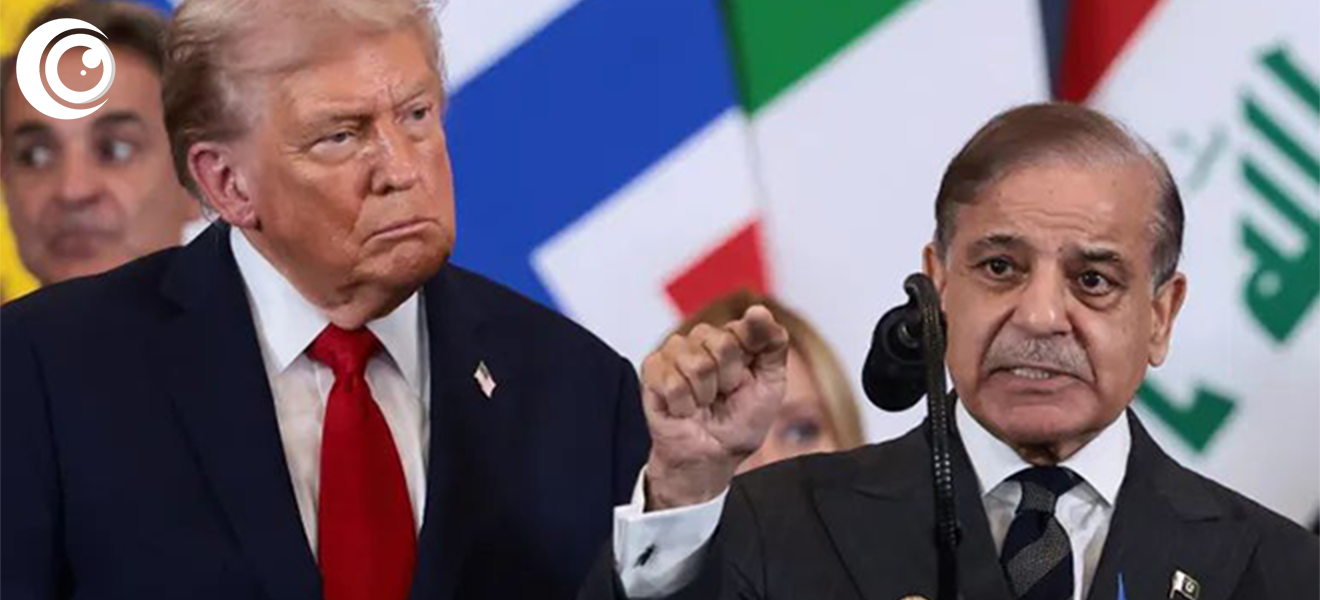
Pakistan has delivered a decisive blow to Western post-war plans for Gaza, declaring it will not participate in any mission aimed at disarming Palestinian resistance, even as it considers joining an international stabilization force. Deputy Prime Minister Ishaq Dar stressed that any disarmament effort is neither Pakistan’s duty nor an act it can morally justify, especially when Palestinians face an ongoing genocide. His stance echoes Indonesia’s reservations, signaling a growing refusal among major Muslim nations to legitimize schemes that weaken the oppressed and empower the occupier.
The announcement comes just as The Washington Post revealed that countries once willing to join the proposed International Stabilization Force are now distancing themselves, fearing they may be forced to use violence against Palestinians. This quiet retreat exposes the darker reality behind Washington’s plan: a U.S.-engineered mechanism to secure Gaza for Israel, mask Western complicity, and suppress Palestinian self-defense under an international uniform. The very idea mirrors decades of failed interventions that protected colonial interests while suffocating indigenous rights.
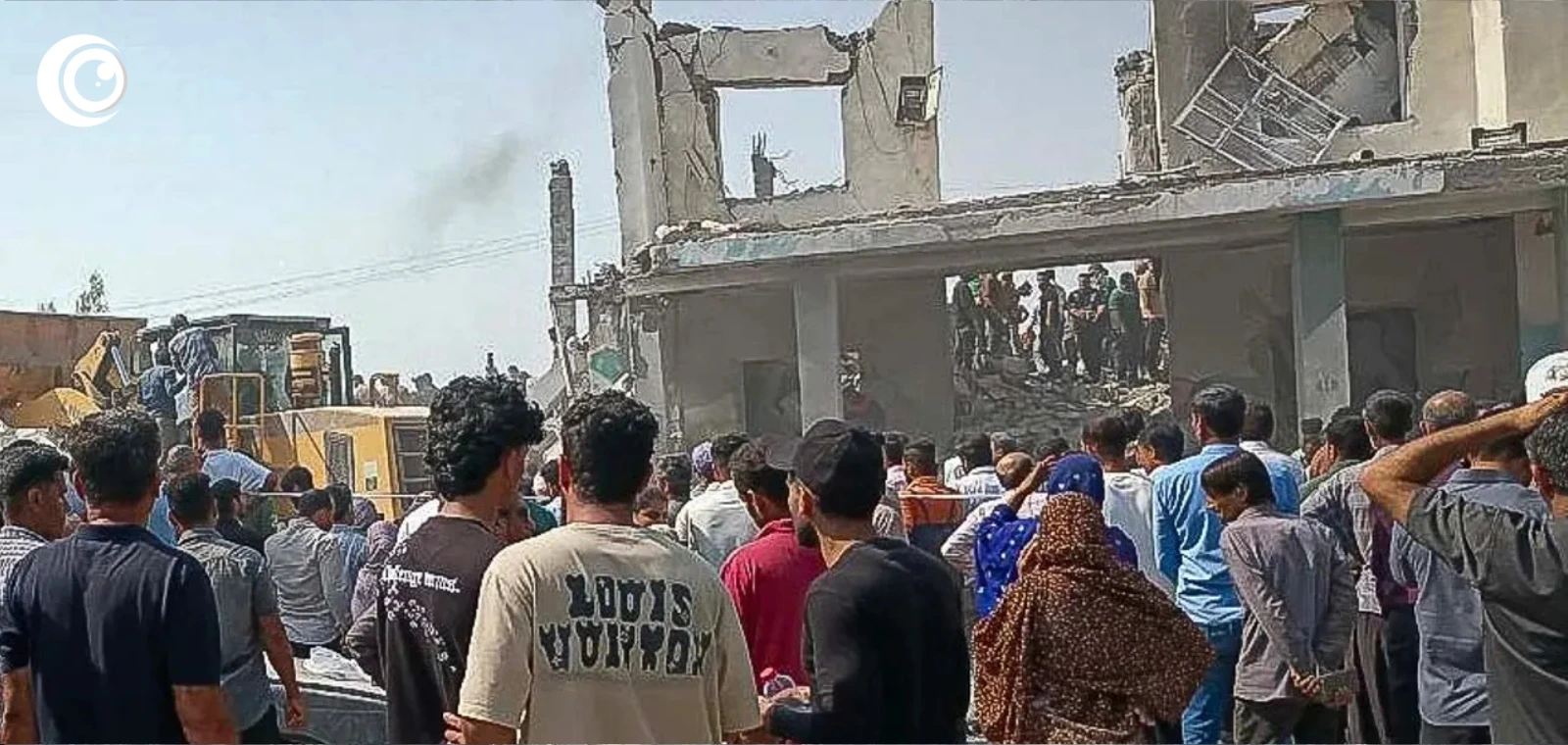
For Palestinians, the disarmament debate is not theoretical it is existential. Israel has razed entire cities, targeted hospitals, bombed schools and mosques, and starved civilians in what global jurists increasingly classify as genocide. To demand that an occupied, besieged, and slaughtered population surrender its only means of survival is an assault on both humanitarian law and core Islamic principles, which explicitly affirm the right of the oppressed to resist tyranny. Disarmament in this context is not peacekeeping it is enforcing the occupier’s will.
This crisis has also exposed the moral bankruptcy of Western governments. The United States and United Kingdom, while preaching “stability,” continue supplying the bombs burying Gaza’s children. They fund the war, shield Israel diplomatically, and then attempt to choreograph the “day after” as if they are not the same powers enabling mass death. Their calls for “security frameworks” ring hollow when they refuse to impose even the smallest restriction on Israel’s brutality yet insist Palestinians must be policed, monitored, and disarmed.
Equally troubling is the silence of certain Arab regimes whose normalization deals and economic ties with Israel have become a lifeline for the occupation. Their complicity, masked as “strategic interest,” betrays not only the Palestinian cause but the Islamic moral order itself. While the Ummah mourns Gaza’s martyrs, some leaders remain busy appeasing Western capitals, protecting their alliances, and pretending neutrality as Israel desecrates holy sites and erases entire generations.
Pakistan’s refusal marks a rare moment of moral clarity in a time of orchestrated blindness. By rejecting any role in stripping Palestinians of their right to resist, Islamabad has challenged a geopolitical script written in Washington and Tel Aviv. As states reconsider participation and the ISF plan stumbles, the world now faces a defining question: will international forces be used to stabilize justice or stabilize oppression? The answer will shape Gaza’s fate, and history will remember which nations stood with the oppressed and which ones helped bury them.