
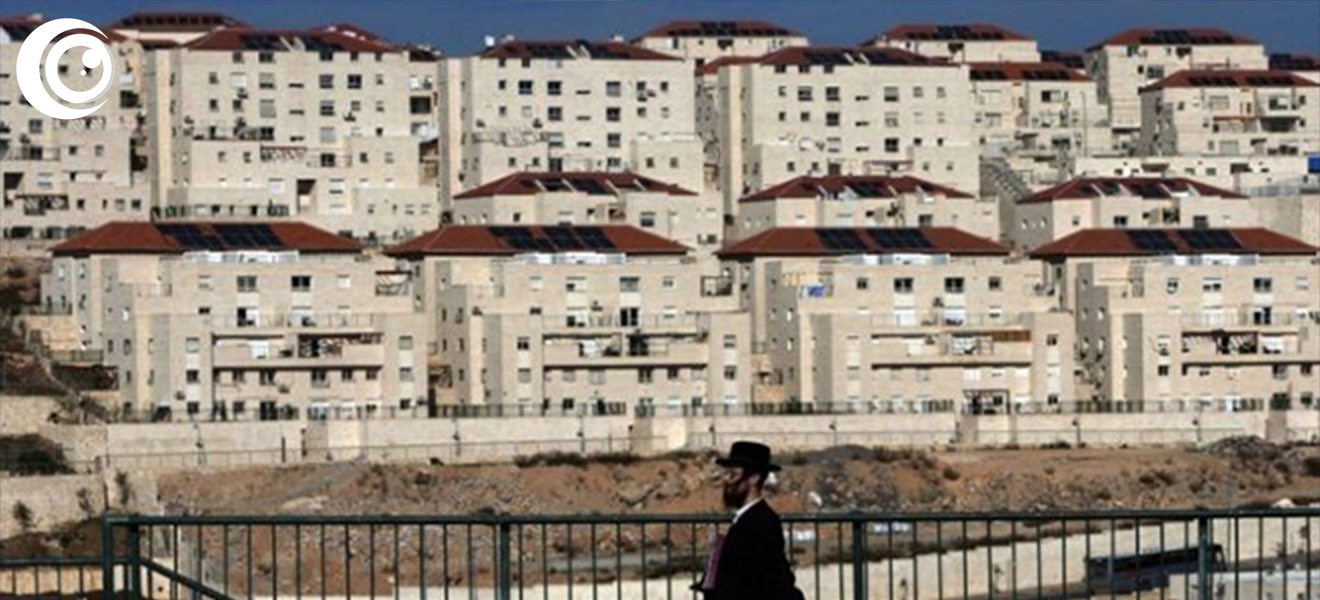

Israel’s cabinet has approved the establishment of 19 new settlements across the occupied West Bank, a move first reported by Israeli Channel 14. This decision marks one of the largest settlement expansions in recent years and has immediately raised concerns over further escalations, regional instability, and the continued erasure of Palestinian land.
Israeli settlements in the West Bank have long been considered illegal under international law, yet expansion has continued steadily for decades. Previous governments have authorized thousands of settlement units, often under the justification of “natural growth” or strategic security needs. Palestinians, however, view these settlements as part of a deliberate strategy to fragment their territory, prevent a contiguous future state, and permanently entrench Israeli control. The newest round of approvals follows years of rising tensions, recurring clashes, and an expanding settler presence that has already reshaped the geography of the region.
According to the initial report, the newly approved settlements include a mix of entirely new communities and existing outposts that have now received formal legalization. This grants them full governmental backing, funding, and infrastructure support. The approved locations are spread across multiple areas of the West Bank, many of which lie deep inside Palestinian-controlled zones, intensifying fears that Israeli settlement expansion is no longer limited to border areas but is moving aggressively into the heart of Palestinian land. Officials within Israel have framed the move as a fulfillment of coalition promises and a matter of national interest, while Palestinian officials have described it as an “open declaration of annexation.”
The approval of these settlements significantly alters the political and geographic landscape. Their placement deepens the fragmentation of Palestinian territories into isolated pockets separated by settlement blocs, roads, and military zones. Analysts warn that such steps make a two-state solution increasingly unviable, as the physical space needed for a functional Palestinian state continues to shrink. The move also risks igniting further tensions on the ground, as settlement expansions are historically followed by land seizures, heightened military presence, and increased confrontations between settlers and Palestinian residents.
Palestinian leaders strongly condemned the decision, calling it a direct challenge to international law and a continuation of policies aimed at permanent occupation. International organizations have urged Israel to reverse the approvals, warning that settlement growth fuels violence and undermines diplomatic efforts. Meanwhile, Israeli ministers supportive of the measure have celebrated the decision as a decisive step toward strengthening Israeli sovereignty in the West Bank, insisting that settlement expansion will continue regardless of global criticism.
Israel’s approval of 19 new settlements represents a major escalation in settlement activity and signals a hardening political stance. As new construction begins and outposts transform into officially recognized communities, the decision is expected to heighten tensions, complicate diplomatic efforts, and further distance the region from any path toward a negotiated peace. The move underscores the shifting realities on the ground and the growing challenges facing Palestinians as their remaining land continues to be reshaped by expanding Israeli settlement policies.