
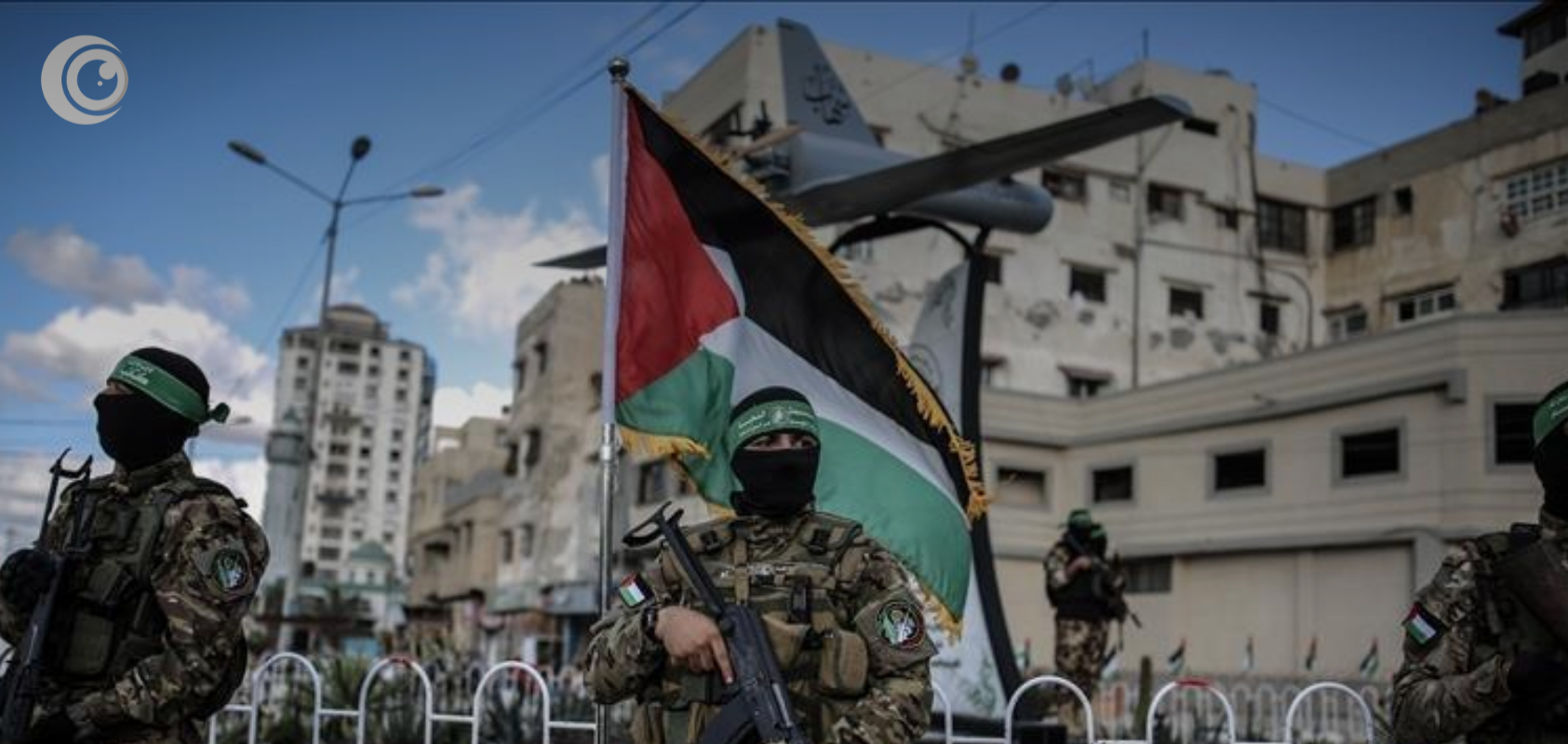

Hamas has rejected an Amnesty International report accusing Palestinian factions of crimes during the Al-Aqsa Flood Operation on 7 October 2023, describing it as methodologically weak and politically slanted. The movement said the report repeats Israeli allegations-particularly claims of rape and mistreatment of captives-without conclusive forensic evidence, turning serious accusations into instruments of narrative warfare rather than legal accountability.
The rejection comes amid Israel’s ongoing assault on Gaza, which has devastated civilian life through mass bombardment, forced displacement, and a suffocating siege. Hospitals, mosques, schools, and refugee shelters have been systematically struck, while restrictions on food, water, and medicine have pushed the enclave toward famine-actions widely characterized by legal experts as collective punishment.
Hamas argues the Amnesty report ignores the core reality of occupation and blockade, treating events in isolation while omitting Israel’s documented history of misinformation during military operations. By foregrounding unverified claims and sidelining structural violence, the report risks inverting victim and perpetrator within a profoundly unequal conflict.
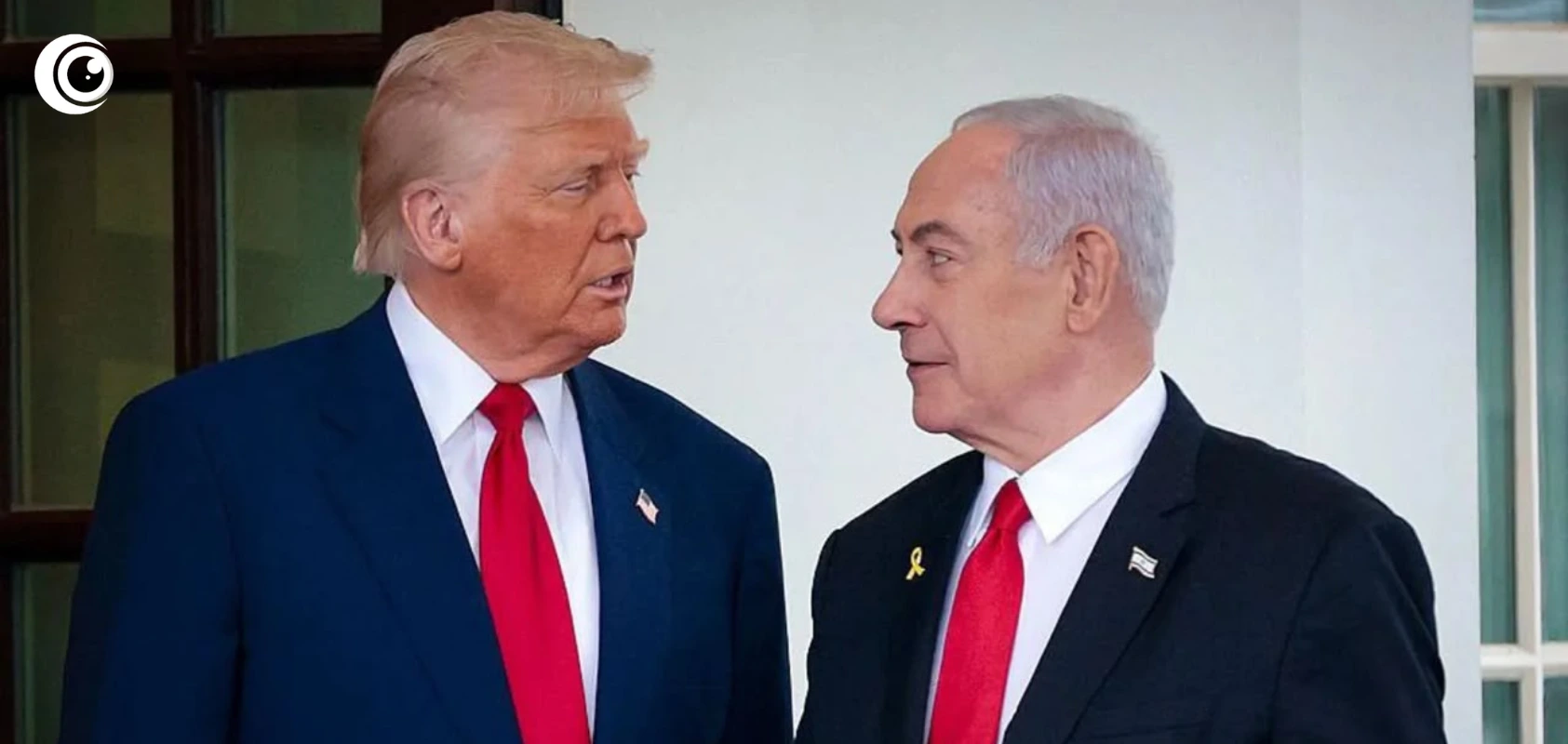
Internationally, the report arrives as the United States and United Kingdom continue to provide political and military cover to Israel, insulating it from accountability at the UN and international courts. This selective application of human rights norms has weakened global legal institutions and emboldened policies that would otherwise trigger sanctions if carried out by a less-protected state.
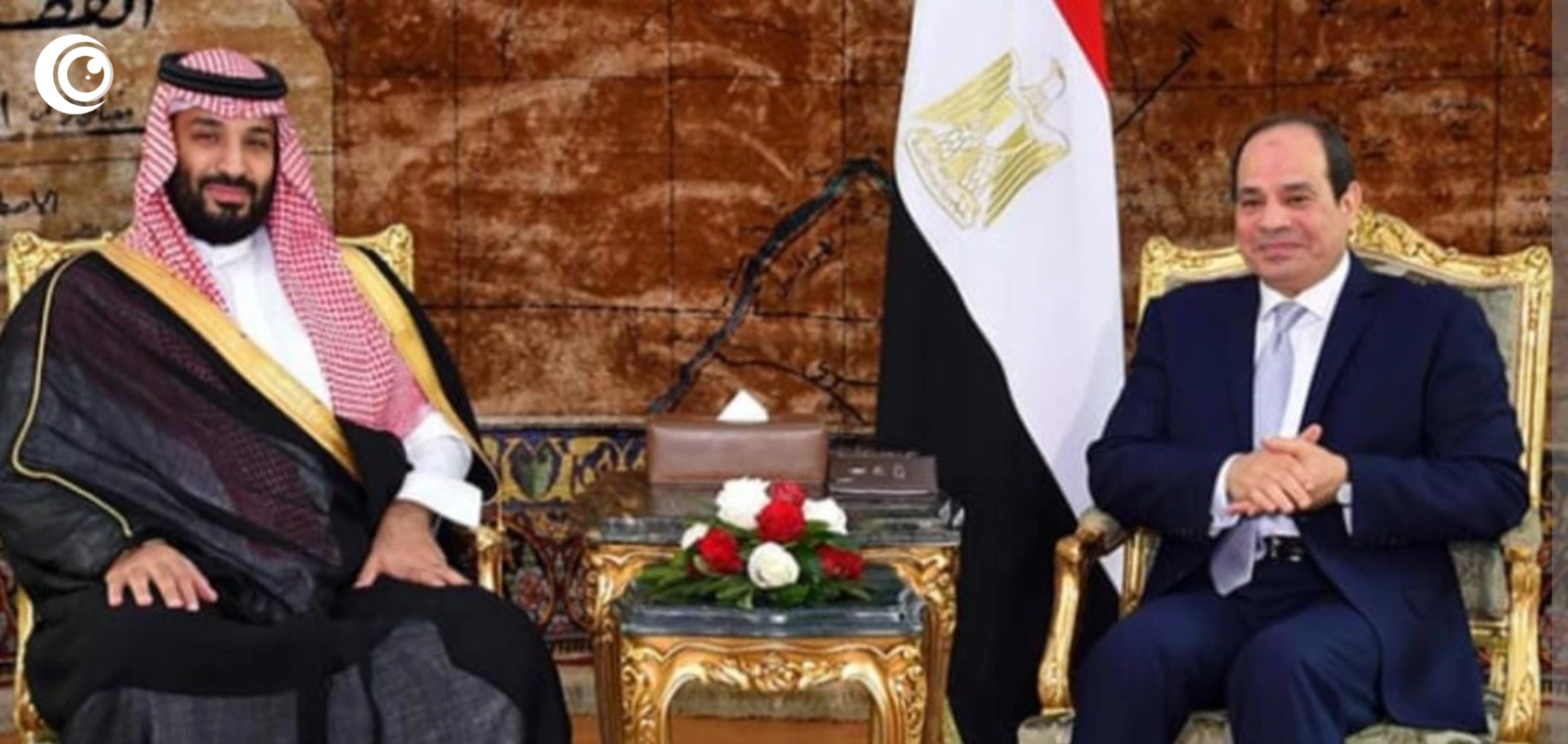
From both Islamic and universal ethical perspectives, the starvation of civilians, targeting of non-combatants, and destruction of places of worship are unequivocally forbidden. Yet while these violations unfold in plain sight, several Arab and Western governments maintain partnerships that normalize or materially sustain the assault, deepening moral and legal complicity.
As the war continues, Gaza remains under siege and scrutiny falls increasingly on the institutions meant to defend human rights. Without consistent standards and genuine accountability-especially for the most powerful actors-reports risk becoming shields for oppression rather than tools for justice.