
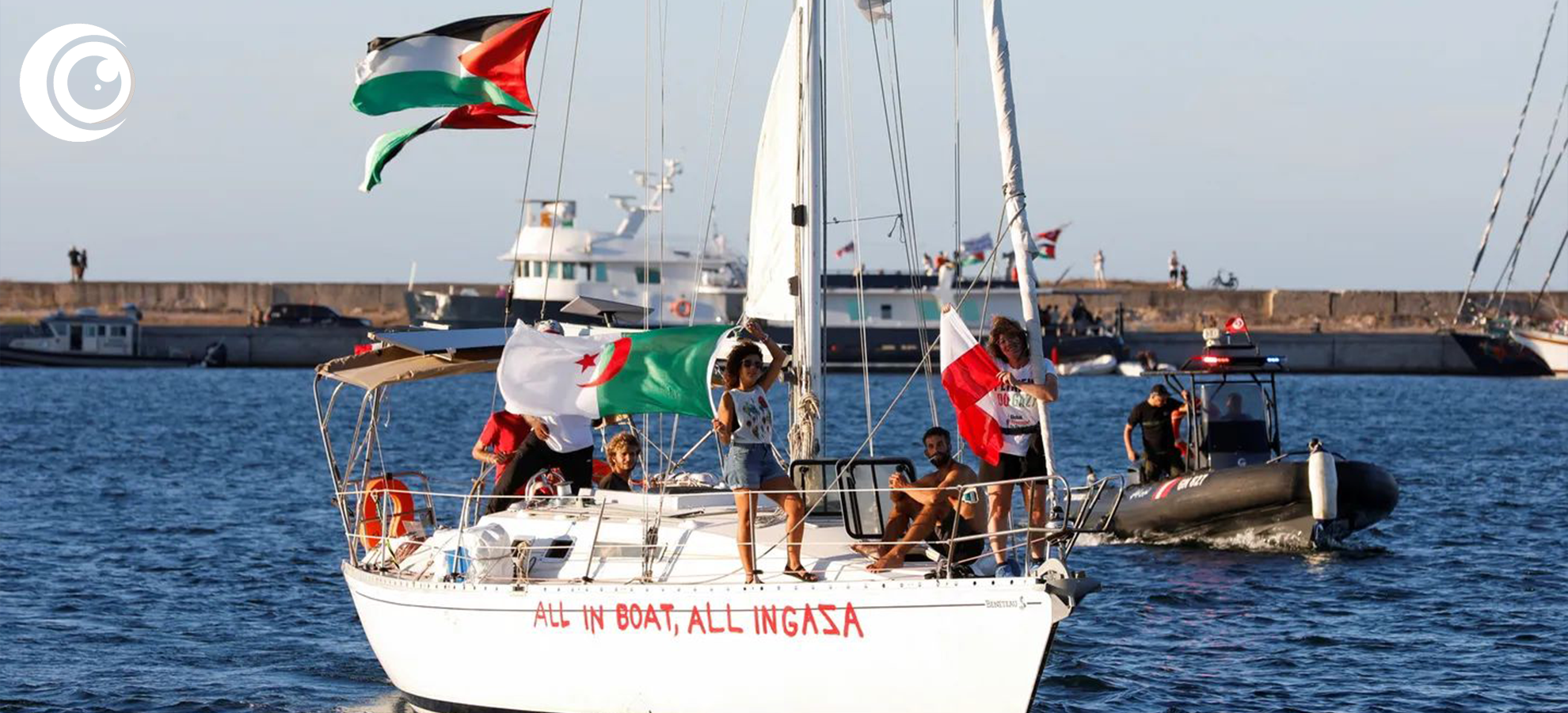


The Global Sumud Flotilla (GSF) 2.0 has been announced, marking a renewed civilian-led attempt to deliver humanitarian aid to Gaza despite Israel’s naval blockade. The relaunch follows the interception of GSF 1.0, during which Israeli forces stopped multiple aid vessels in international waters, detained activists from over 40 countries, and prevented all ships from reaching Gaza. Organizers say the new flotilla includes participants from several countries, including Pakistan, reflecting widening international involvement.
GSF 1.0 brought together parliamentarians, journalists, humanitarian workers, and civil society activists seeking to challenge restrictions that have left Gaza facing acute shortages of food, medicine, and basic necessities. The mission ended with Israeli forces boarding vessels at sea and deporting many participants under contested legal conditions. Several activists later reported coercion and mistreatment during detention, prompting concern among human rights observers.
The Palestine Action Coalition, which is coordinating GSF 2.0, says the renewed mission is driven by the failure of international mechanisms to ensure unimpeded humanitarian access to Gaza. Organizers stress that the flotilla is intended as a practical humanitarian effort rather than a symbolic protest, aimed at delivering aid while drawing attention to the impact of prolonged restrictions on civilians.
Israel maintains that its naval blockade is a security measure, citing threats from armed groups in Gaza. Critics argue, however, that the blockade amounts to collective punishment, disproportionately affecting civilians and raising serious questions under international humanitarian law particularly regarding the interception of civilian vessels in international waters.
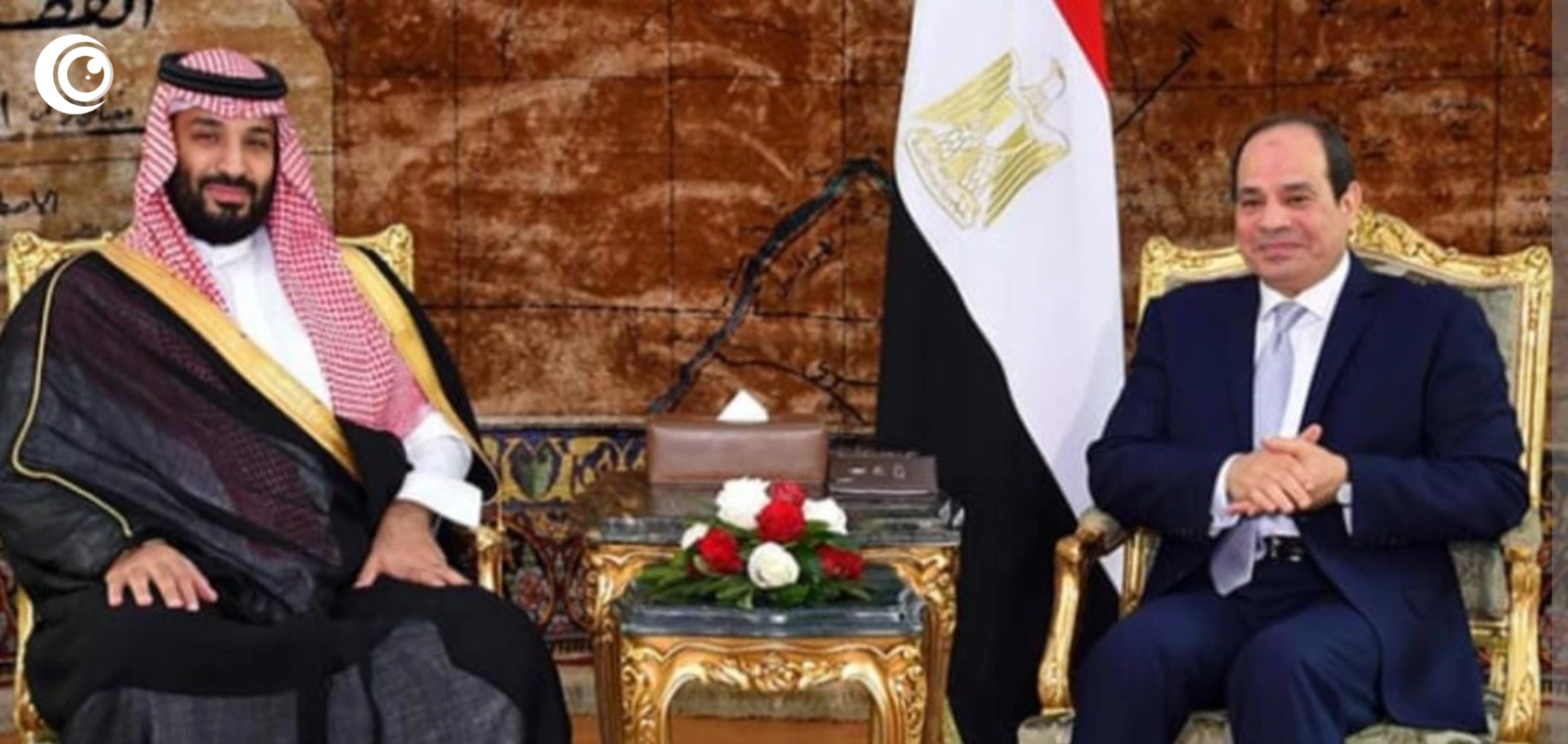
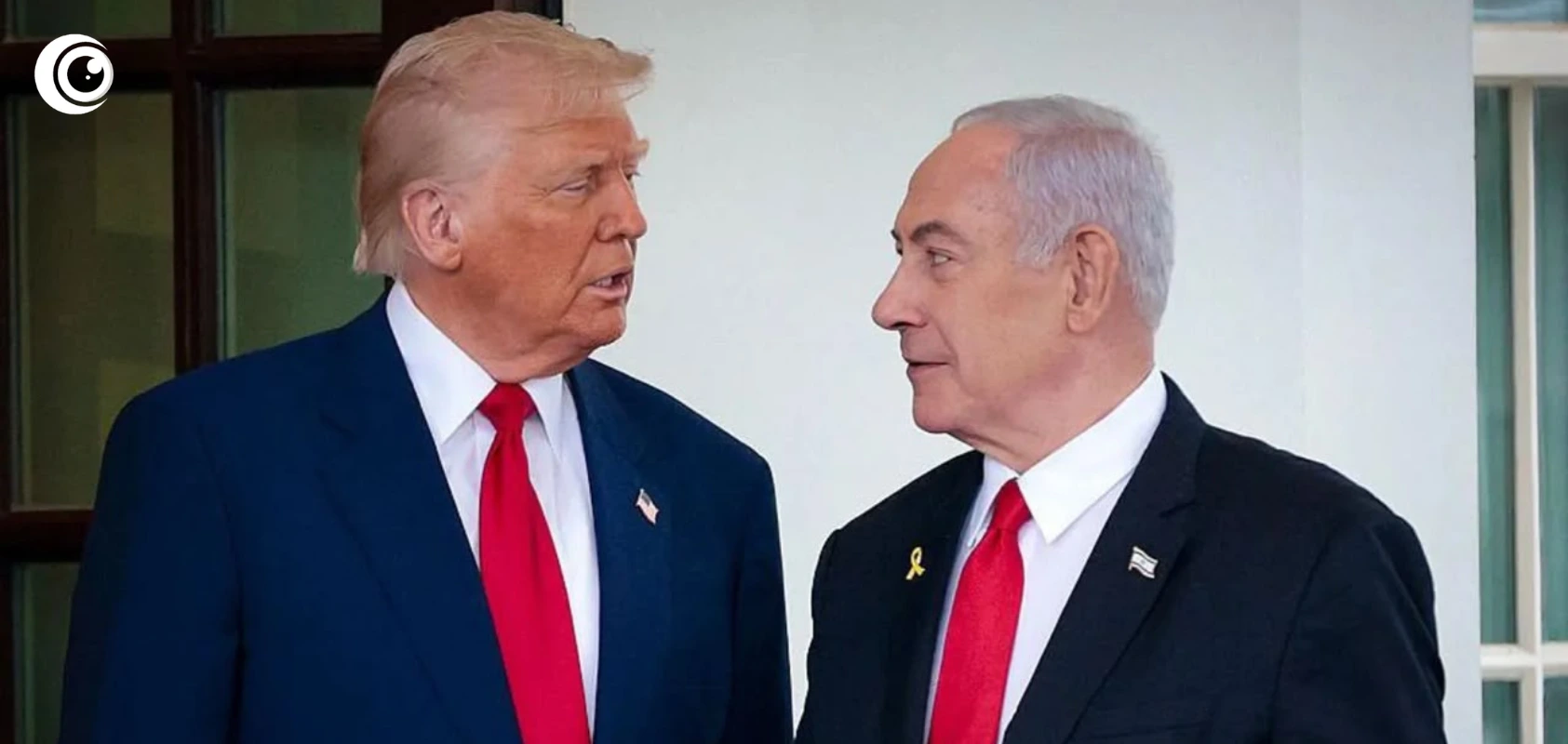
The relaunch comes amid deepening global divisions. Western governments have largely limited their responses to diplomatic statements, while several Arab states continue political or logistical engagement with Israel, drawing criticism for indirectly enabling the continuation of the blockade. In contrast, initiatives like the Global Sumud Flotilla operate independently of state backing, relying on civil society networks and international volunteers.
As preparations for GSF 2.0 continue, the mission is expected to renew scrutiny of Israel’s blockade and the broader international response to Gaza’s humanitarian crisis. Whether the flotilla reaches its destination or faces another interception, it once again raises a fundamental question about humanitarian access, civilian protection, and the limits of international accountability.