
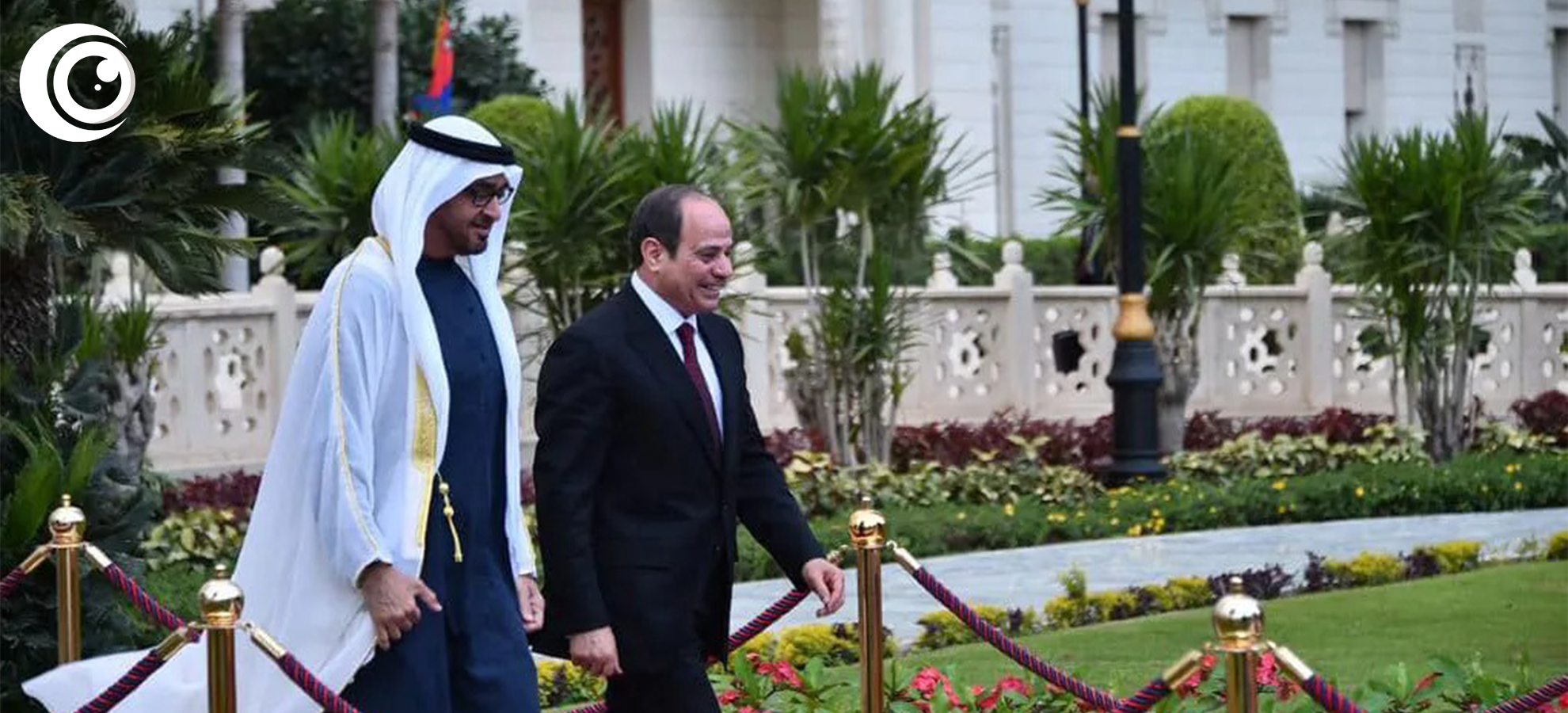

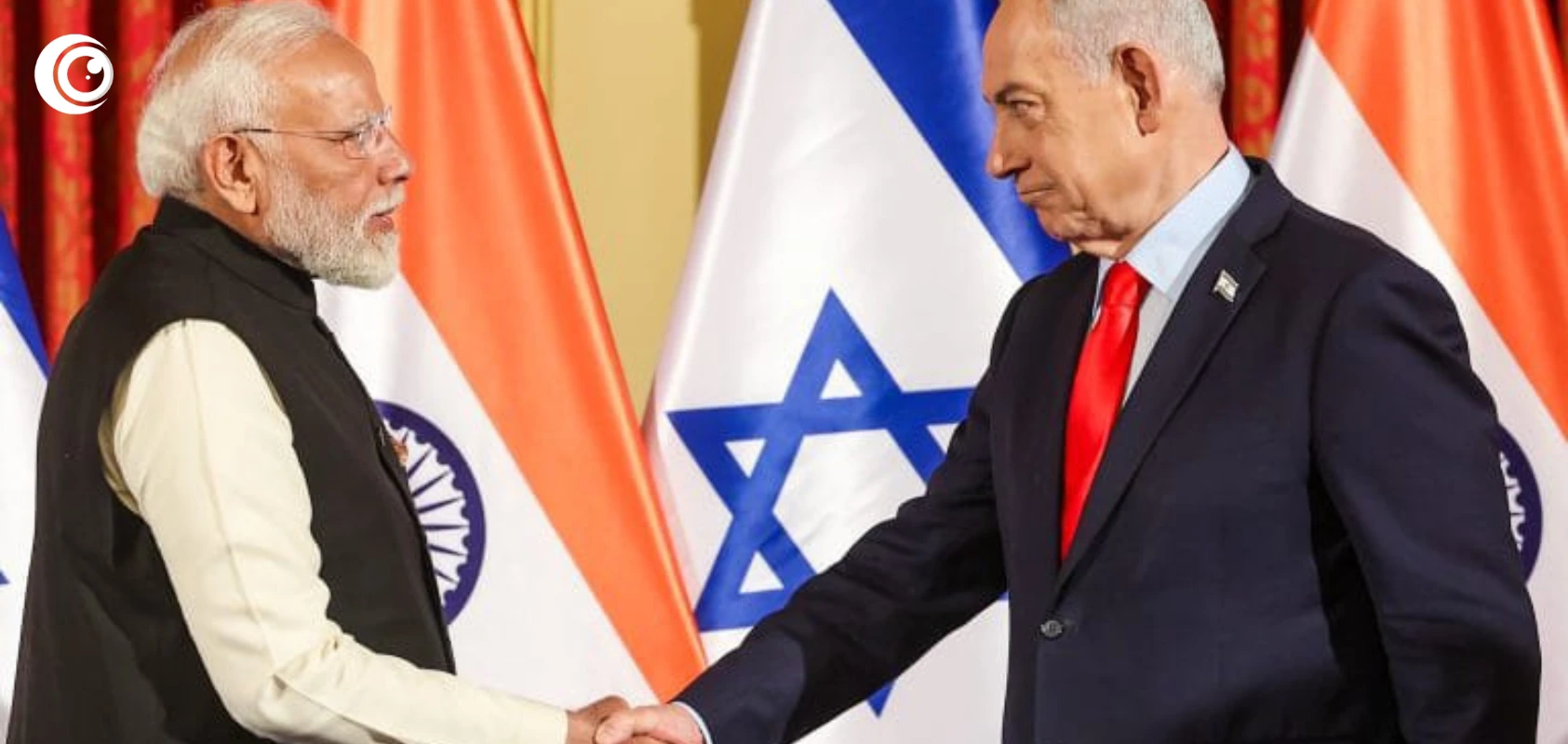
In December 2025, international reports confirmed that the United Arab Emirates was the previously undisclosed buyer behind a record-breaking $2.3 billion defense contract signed with Israeli defense manufacturer Elbit Systems, marking the largest single deal in the company’s history and signaling a significant deepening of military cooperation between Israel and the Gulf state.
Elbit Systems first announced the massive contract in November 2025, describing it only as an agreement with an unnamed “international customer.” The secrecy surrounding the buyer immediately drew attention due to the scale of the deal and its long-term delivery timeline, reportedly spanning eight years. Since the normalization of relations between Israel and the UAE under the Abraham Accords in 2020, defense and security cooperation has steadily expanded, though many agreements have remained out of public view.
Subsequent investigations by international media outlets identified the UAE as the buyer, revealing that the agreement involves advanced military technologies developed by Elbit Systems. While specific systems have not been officially detailed, reports suggest the contract includes sophisticated defense capabilities, with portions of production and system integration potentially taking place within the UAE. The revelation has confirmed long-standing speculation about the rapid growth of behind-the-scenes military collaboration between the two countries.
The deal represents a major strategic milestone for both parties. For the UAE, it strengthens military modernization efforts and reinforces its role as a regional security actor amid ongoing instability across the Middle East. For Israel, the contract highlights the expanding global reach of its defense industry and its growing acceptance among Arab states following diplomatic normalization. Analysts note that such large-scale agreements may encourage further defense partnerships between Israel and other regional actors.
Despite the strategic framing of the agreement, human rights organizations have raised concerns about the broader implications of expanding arms transfers in a region already affected by prolonged conflict. Critics argue that the sale of advanced military systems risks contributing to future escalation and civilian harm, calling for greater transparency and accountability in international arms trade practices.
Neither the UAE nor Israeli officials have issued detailed public statements confirming the specifics of the contract, maintaining a cautious diplomatic stance. Supporters of the agreement view it as a natural extension of normalized relations and regional security cooperation, while opponents question the secrecy surrounding the deal and its potential consequences for regional stability.
The identification of the UAE as the secret buyer behind Elbit Systems’ $2.3 billion defense contract underscores a profound shift in Middle Eastern alliances and defense cooperation. As implementation of the deal unfolds over the coming years, its strategic, political, and humanitarian ramifications are likely to remain under close international scrutiny, reflecting the evolving balance of power in the region.