
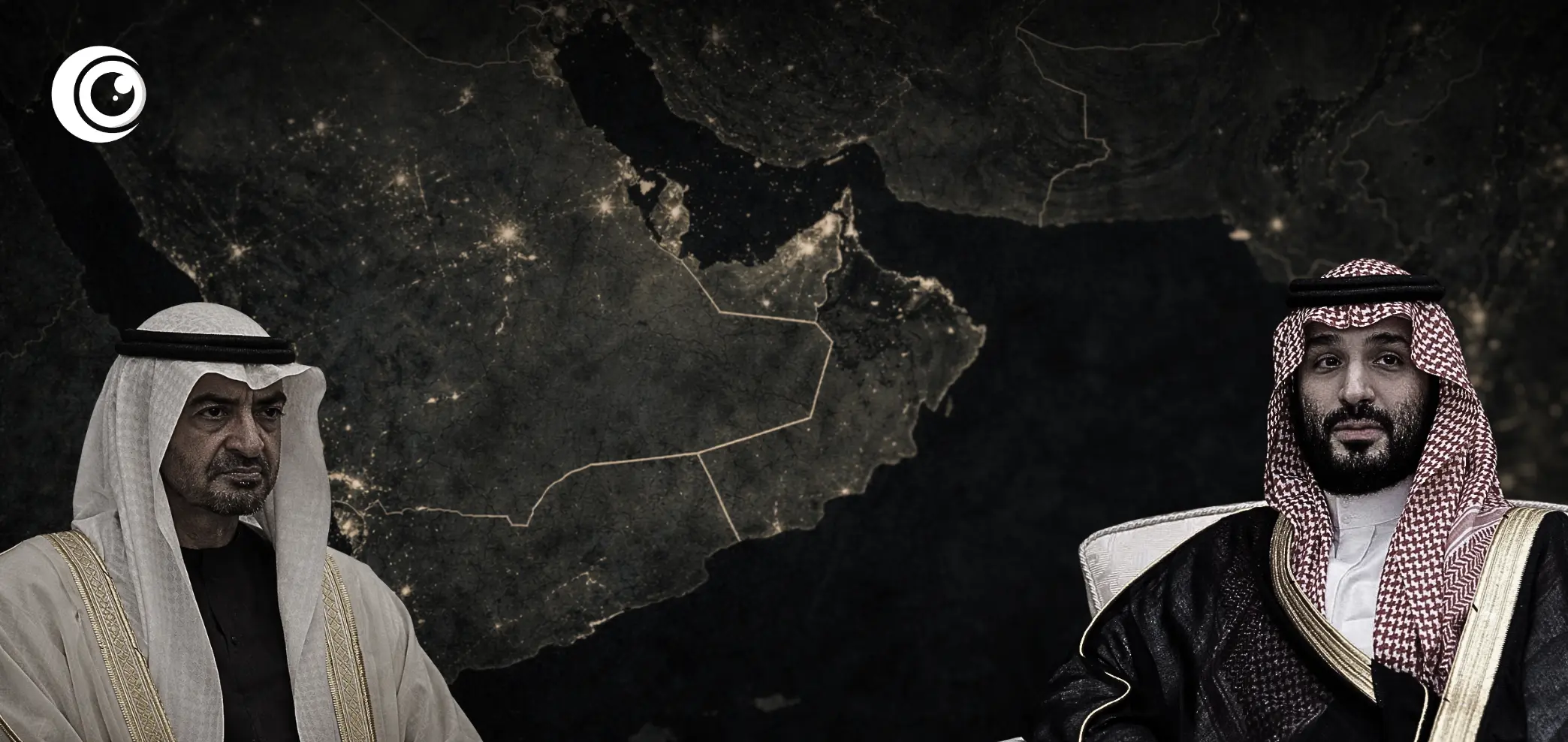

UAE’s exit from Yemen is often interpreted as evidence of Saudi Arabia’s growing dominance in the Middle East. While the shift does reflect changes in regional power dynamics, reading it as a straightforward rise of Saudi supremacy oversimplifies a far more complex landscape. The move highlights not the emergence of a single uncontested power, but the reconfiguration of influence among multiple regional and global actors, each operating under constraints.
Saudi Arabia has undoubtedly expanded its footprint in recent years. Military modernization, large defense agreements with the United States, and security cooperation with partners such as Pakistan have strengthened its deterrence capacity. Diplomatic initiatives, including engagement with China, dialogue with Iran, and sustained ties with Western powers, suggest a more flexible and confident foreign policy posture. Economically, diversification efforts and investment diplomacy have increased Riyadh’s leverage across the region.
However, influence should not be conflated with control. Saudi Arabia’s ability to shape outcomes remains uneven. Yemen itself is a reminder of this limitation. Despite years of engagement, the conflict has not been resolved, and Saudi objectives have required constant adjustment. The UAE’s exit does not automatically translate into Saudi consolidation; it also reflects the high costs, diminishing returns, and strategic fatigue associated with prolonged regional interventions.
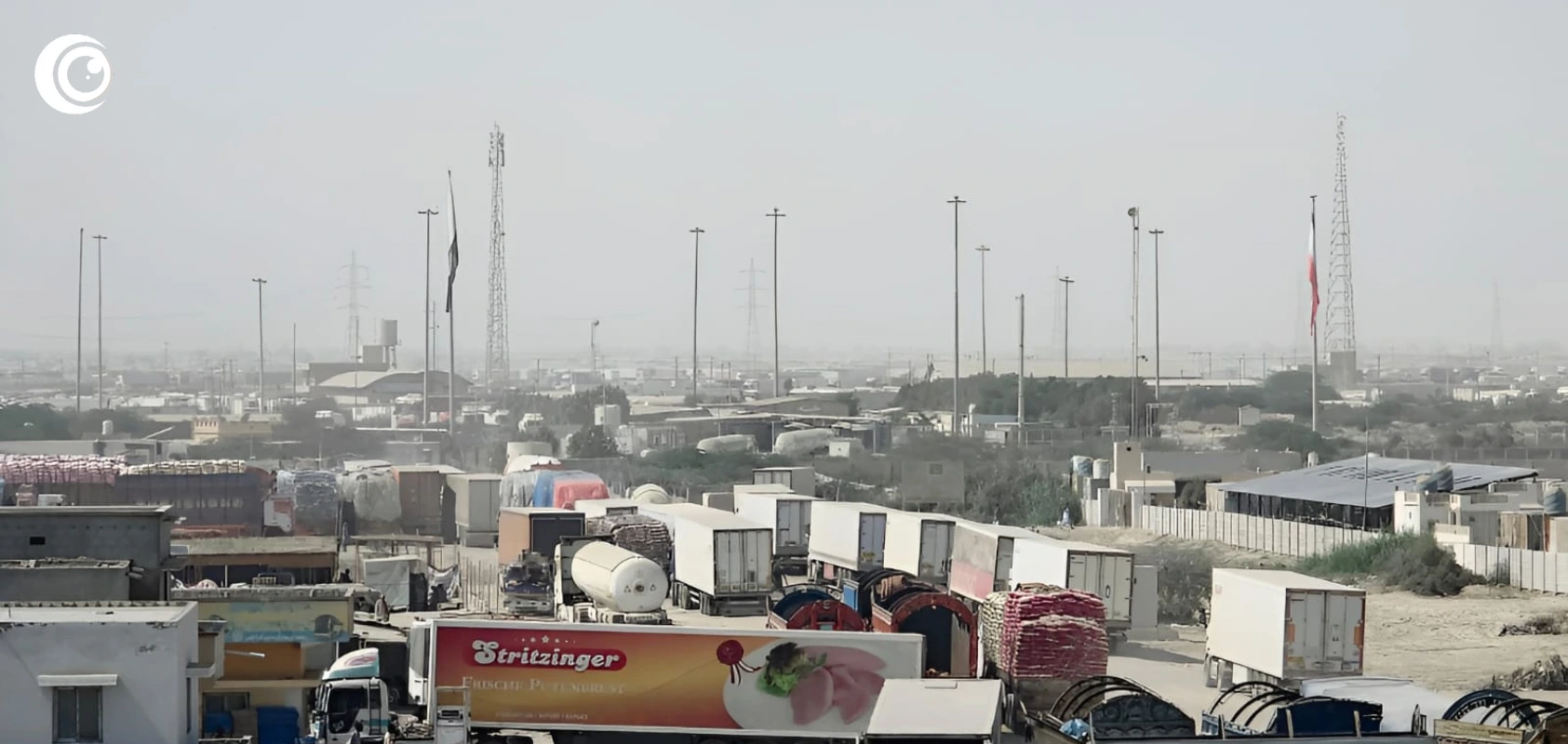
At the same time, the UAE’s recalibration should not be read as subordination. Abu Dhabi has chosen to shift its focus toward economic statecraft, logistics, and global investment networks, preserving influence through non-military channels. Its withdrawal from Yemen aligns with a broader pattern of selective engagement rather than a loss of regional relevance. Power in the Middle East is no longer expressed solely through battlefield presence, but through capital flows, ports, trade corridors, and diplomatic access.
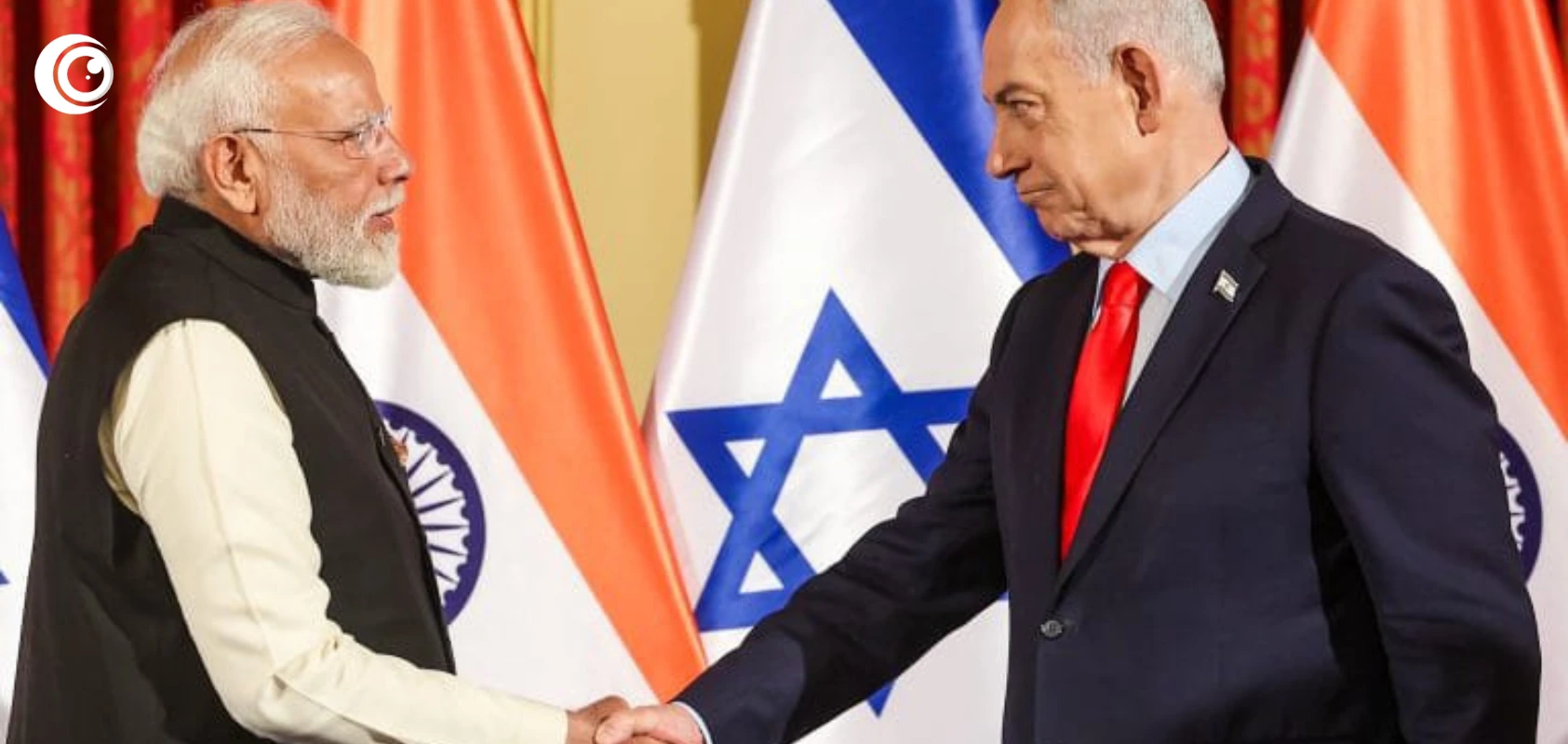
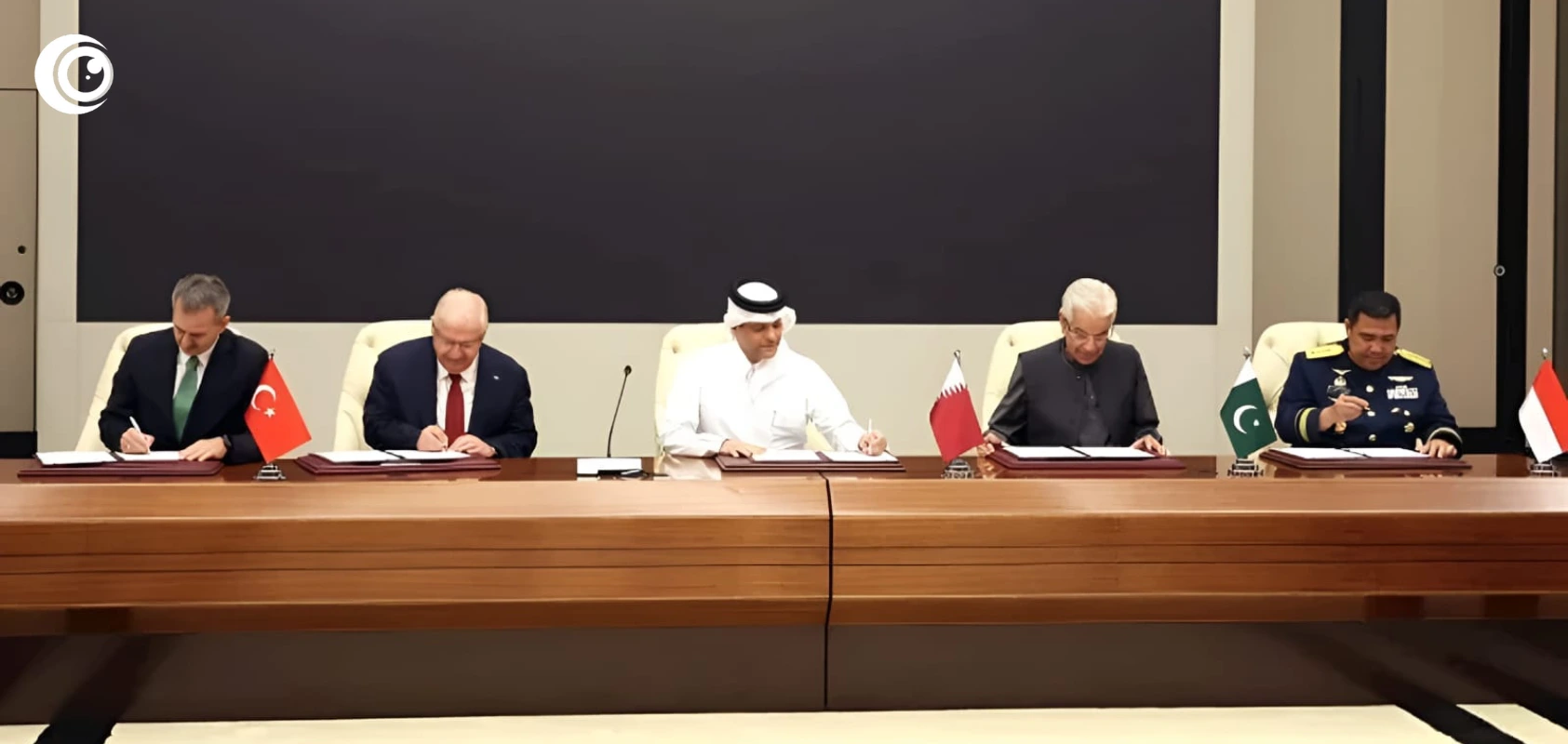
Beyond the Gulf, other forces further complicate the picture. Iran retains asymmetric influence through non-state actors. Turkey continues to project power through military deployments and defense exports. Israel remains a dominant military actor with deep Western backing. External powers such as the United States and China shape regional calculations through security guarantees, technology, and economic ties. In this environment, Saudi Arabia is a central player, but not a hegemon.
Seen through this lens, UAE’s exit from Yemen signals a broader regional shift away from direct military entanglements toward influence management. States are reassessing where force is effective and where it becomes a liability. Saudi Arabia’s role is expanding in some domains while remaining constrained in others. The Middle East is moving toward a multipolar balance rather than a single power center.
The significance of Yemen, therefore, lies less in who stays or leaves, and more in what it reveals about the region’s evolving power logic. Influence today is fragmented, negotiated, and situational. No state, including Saudi Arabia, operates without limits. UAE’s exit reflects strategic choice, not collapse, and Saudi Arabia’s position reflects increased responsibility, not uncontested dominance.
This moment is not the coronation of a new regional ruler. It is a snapshot of a Middle East in transition, where power is being redistributed, recalculated, and continuously contested.