
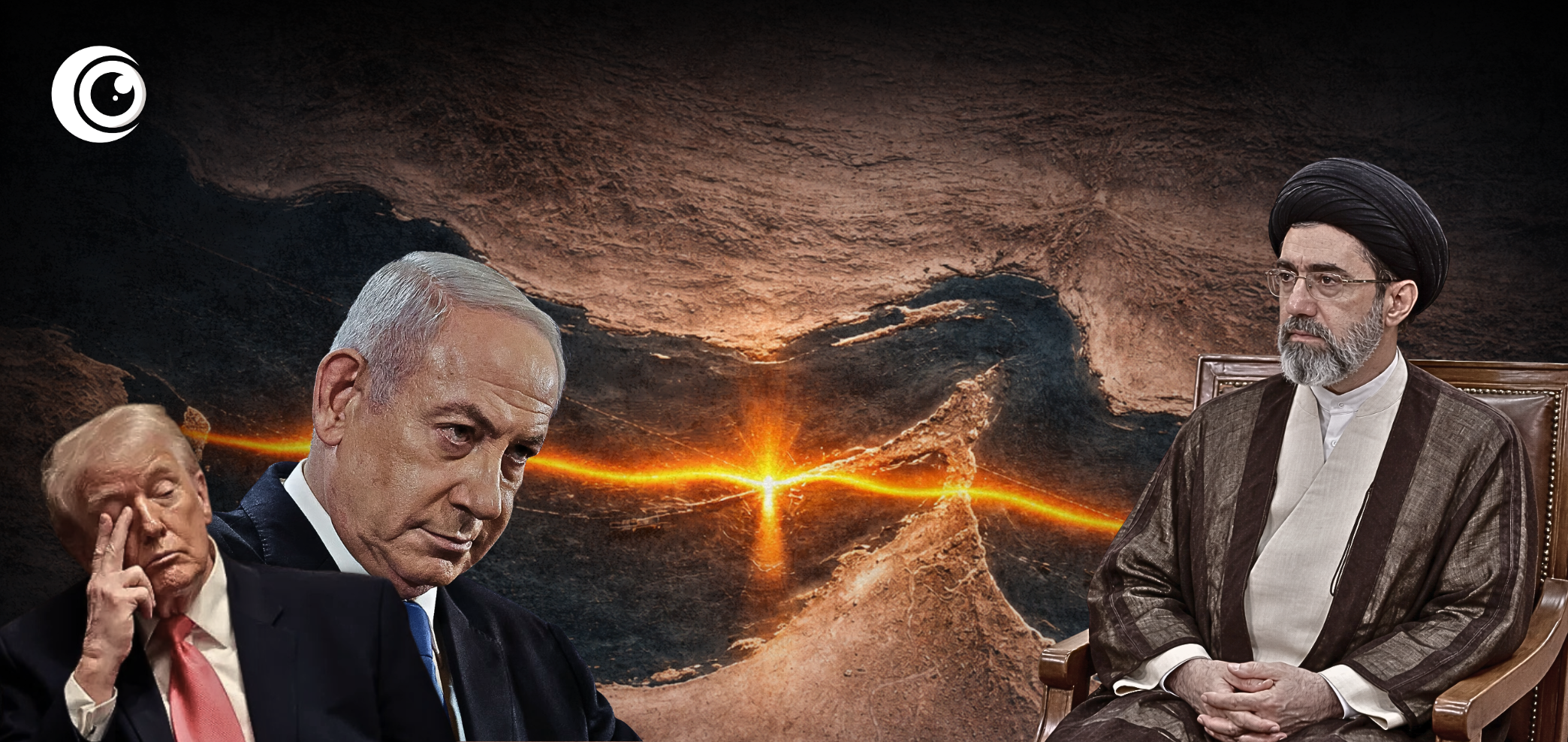


In global politics, power is often measured through military strength, economic influence, or technological dominance. Yet the escalating confrontation in the Middle East has revealed another source of strategic power: control over critical geographic chokepoints. As tensions intensify between Iran, Israel, and the United States, the crisis surrounding the Strait of Hormuz has transformed a regional conflict into a global economic pressure point. What appears on the surface as a maritime disruption is, in reality, a strategic struggle capable of placing the world’s energy system under immense strain.
The central reason for this vulnerability lies in the structure of the global oil trade. A significant share of the world’s petroleum exports originates from the Gulf and must pass through the narrow waters of the Strait of Hormuz before reaching international markets. This geographic reality has created a situation in which a single corridor carries a disproportionate share of global energy flows. As a result, any threat to this route immediately reverberates across international markets, raising fears of supply disruption and triggering sharp increases in energy prices.
Within this strategic landscape, Iran occupies a uniquely influential position. By controlling the northern coastline of the strait, Tehran possesses the ability to influence one of the most important energy corridors in the world. In periods of confrontation, this geographic advantage can be transformed into strategic leverage. By threatening to disrupt tanker traffic or restrict maritime movement, Iran can apply pressure not only on its immediate adversaries but also on the broader international economic system.
This dynamic has become particularly evident during the current escalation. As military tensions grow between Iran, Israel, and the United States, the possibility of disruption in the Strait of Hormuz has introduced a new dimension to the conflict. Rather than remaining confined to the battlefield, the confrontation now carries the potential to destabilize global energy markets. Shipping companies, insurers, and energy traders have begun responding to this uncertainty with caution, reducing traffic through the corridor and driving volatility across oil markets.
For major energy-importing economies, this situation presents a significant strategic risk. Countries such as China, India, and Japan rely heavily on oil shipments transported from the Gulf. A serious disruption in the Strait of Hormuz would therefore affect far more than regional shipping routes. It could slow industrial production, disrupt transportation networks, and trigger inflationary pressures across major global economies.
At the same time, the crisis exposes a structural vulnerability for Gulf energy producers themselves. States such as Saudi Arabia, United Arab Emirates, Kuwait, and Iraq depend heavily on the strait to export their oil to global markets. Despite efforts to develop alternative pipelines and export routes, the majority of their energy shipments must still pass through this corridor. In practical terms, the economic lifeline of several major producers flows through waters that can be threatened during periods of regional conflict.
From a strategic perspective, Iran’s approach does not necessarily rely on permanently closing the strait. Even limited disruptions or credible threats can generate profound consequences for global markets. Oil prices often rise sharply when tensions increase, reflecting the fear that millions of barrels of daily supply could suddenly become inaccessible. In this sense, the power associated with the Strait of Hormuz lies as much in perception and risk as in physical control over shipping lanes.
However, this leverage exists within a delicate strategic balance. Any sustained attempt to completely block the strait would likely provoke a large-scale military response aimed at restoring freedom of navigation. The presence of international naval forces in the region reflects the long-standing recognition that uninterrupted access to the Gulf’s shipping routes is vital to global economic stability. For this reason, the contest over the strait remains a constant interplay between deterrence, escalation, and strategic signaling.
Ultimately, the crisis surrounding the Strait of Hormuz highlights a broader geopolitical reality. In a global economy still deeply dependent on fossil fuel supply chains, control over key energy corridors can translate into significant strategic influence. By occupying a position along the world’s most important oil transit route, Iran possesses the ability to transform regional confrontation into global economic pressure.
As tensions between Iran, Israel, and the United States continue to evolve, the Strait of Hormuz has emerged as far more than a maritime passage. It has become a strategic lever capable of amplifying regional conflict into worldwide economic instability. The battle for this narrow corridor therefore reflects a deeper struggle over power, influence, and vulnerability within the international system.