
The World Health Organisation is bracing for a potential nuclear catastrophe as the US-Israeli war on Iran continues to escalate, with senior officials warning that the consequences of such a scenario would be devastating and impossible to fully prepare for.
Hanan Balkhy, the WHO’s regional director for the Eastern Mediterranean, told Politico that UN staff are closely monitoring the fallout from strikes on Iran’s nuclear sites and remain on high alert for any nuclear threat. “The worst-case scenario is a nuclear incident, and that’s something that worries us the most,” Balkhy said. “As much as we prepare, there’s nothing that can prevent the harm that will come to the region and globally if this eventually happens, and the consequences are going to last for decades.”
Balkhy said the WHO is preparing for a nuclear incident in its broadest sense, encompassing both a potential attack on a nuclear facility and the use of an actual nuclear weapon. The organization has also begun retraining its staff on nuclear incident response, advising officials on public health risks and what protective measures people should take in the event of such a scenario.
The warning comes after Iranian authorities reported that a US or Israeli munition struck adjacent to the Bushehr nuclear power plant, marking the first such reported incident since the war began on February 28. Russia’s state nuclear corporation Rosatom described the attack as a flagrant disregard for the key rules and principles of international security, while the Russian Foreign Ministry condemned the strike and warned that such actions created real risks of a radiological and environmental catastrophe across the entire region.
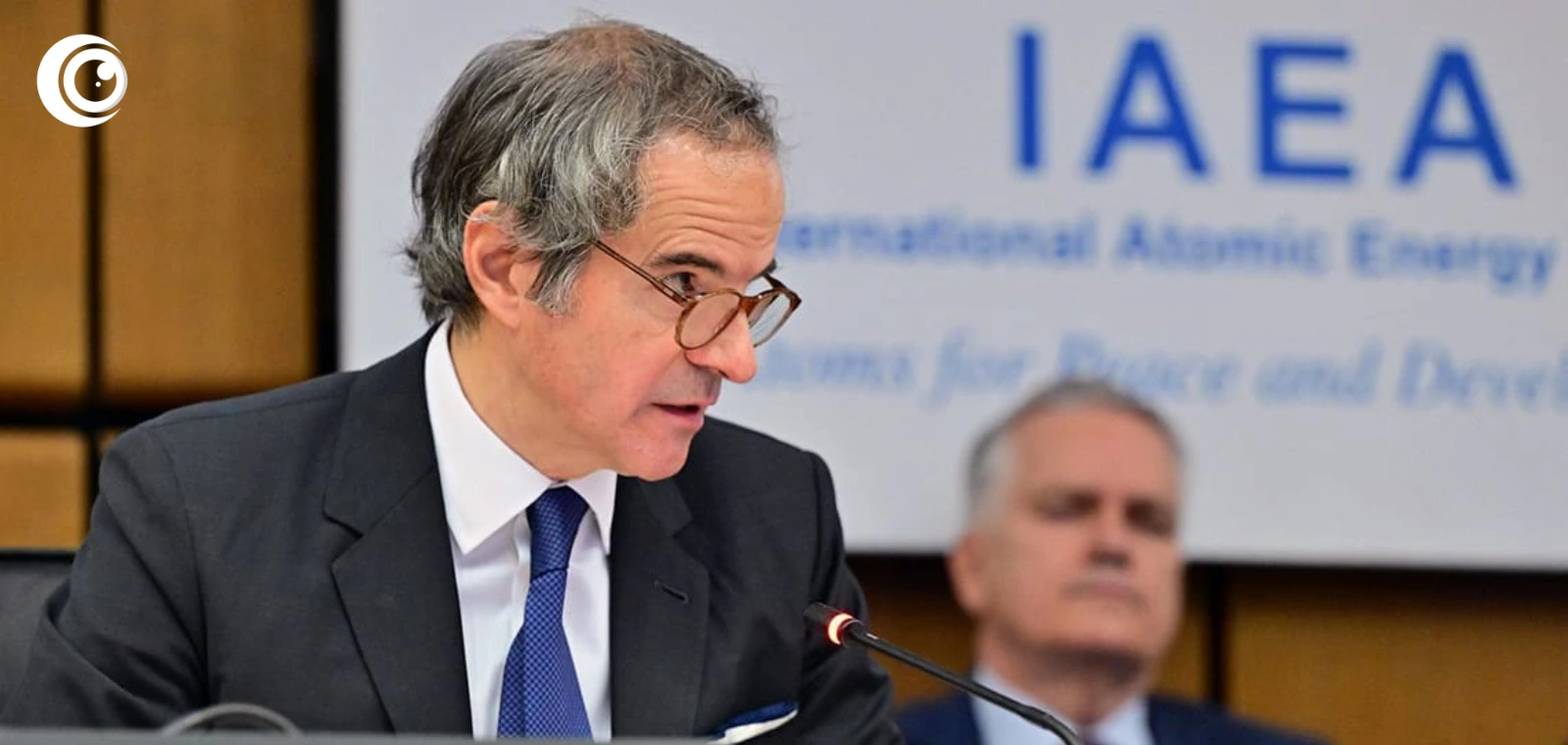
The International Atomic Energy Agency chief Rafael Grossi also raised alarm, stressing the increasing risk to nuclear safety given that Iran and several other countries in the region that have been subjected to military attacks have operational nuclear power plants and nuclear research reactors. Grossi noted that while radiation levels had so far remained normal across the region, the situation demanded utmost restraint from all parties involved.
Concerns about nuclear escalation deepened after Trump’s cryptocurrency adviser David Sacks raised alarm on a public podcast, suggesting that Israel could escalate the war by contemplating the use of a nuclear weapon. President Donald Trump dismissed the suggestion, telling reporters at the White House that Israel would never do that. The White House has also pushed back against the WHO’s warnings, with a spokesperson saying the comments were a perfect example of how the organization had become one that no one takes seriously.
Balkhy warned of additional serious health consequences beyond the immediate threat of nuclear weapons, pointing to respiratory illnesses already being reported following earlier strikes on Iranian oil facilities that blanketed Tehran in thick smoke. She also drew parallels to historical nuclear disasters, referencing the US atomic bombings of Japan in 1945 and the 1986 Chernobyl disaster in Ukraine, noting that the human toll from such events extends far beyond immediate casualties, causing cancers and chronic illness for generations.
Since the war began, the WHO has recorded 46 attacks on health workers across Iran and Lebanon, resulting in 38 deaths. Fourteen health workers were killed in Lebanon alone in two separate Israeli airstrikes on March 13, one of which targeted a primary healthcare center in the south of the country.
As the conflict shows no signs of abating, the WHO’s warnings serve as a stark reminder of the catastrophic and irreversible consequences that any further escalation toward nuclear confrontation could bring, not only to the Middle East but to the world at large.