
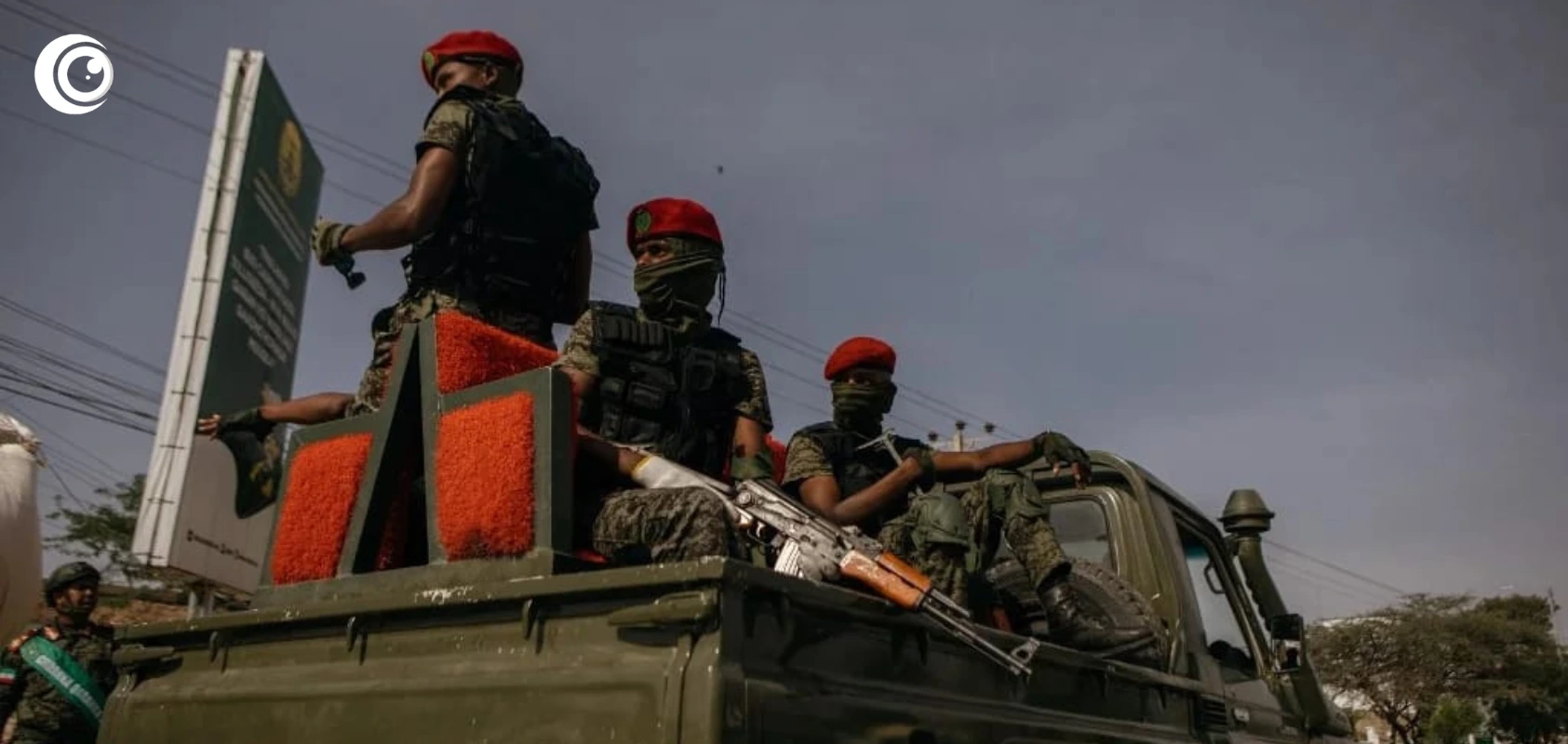
Reports indicate that the Israeli occupation has begun deploying military personnel to Somaliland, a move that is already triggering alarm across the Horn of Africa and the wider Red Sea region. The reported deployment comes despite explicit warnings that any military presence linked to the occupation inside Somali territory would be viewed as a direct provocation carrying serious consequences.
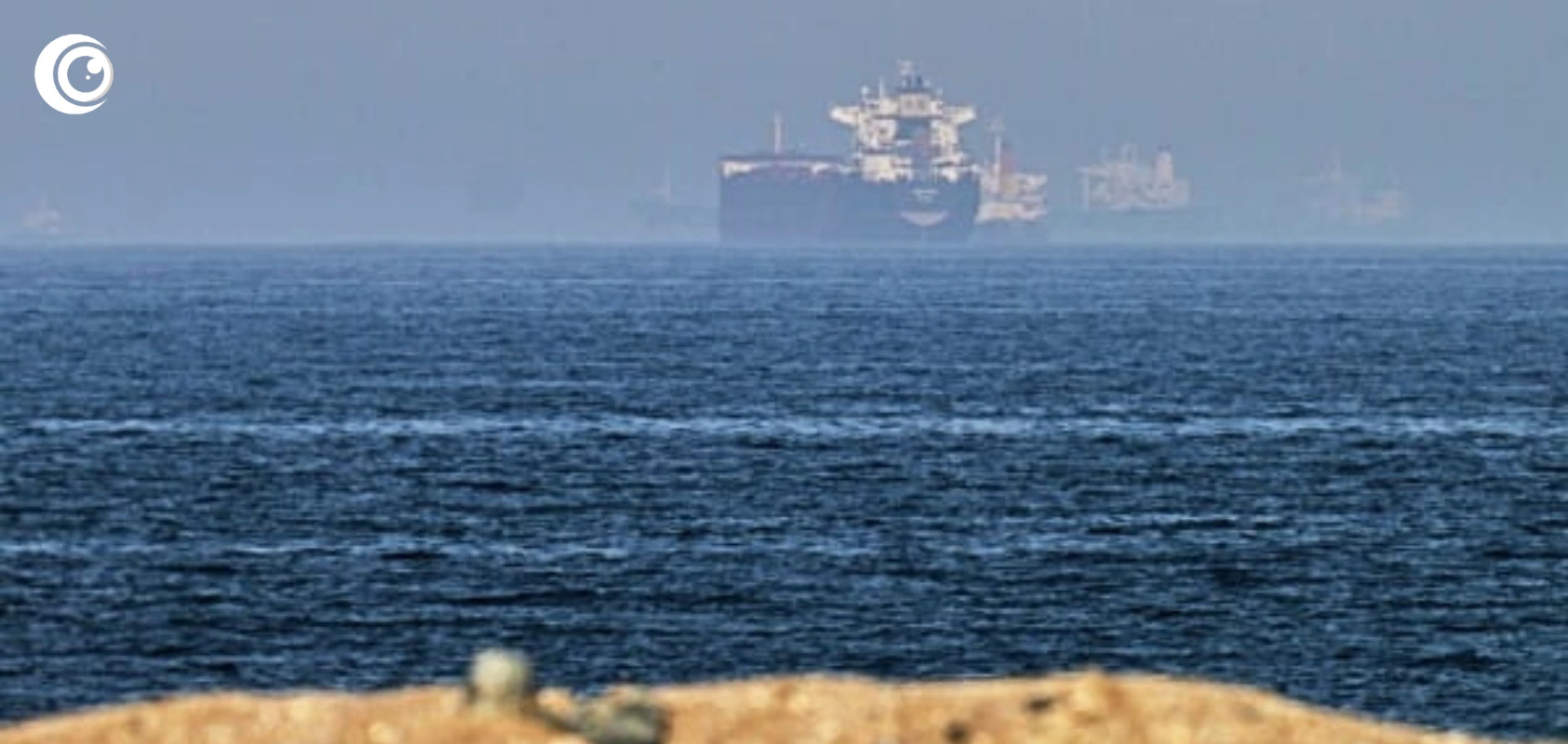
The development is significant not simply because of the number of personnel reportedly involved, but because of where they are being deployed. Somaliland occupies one of the most strategically valuable locations in the world, overlooking critical maritime routes connecting the Red Sea, Bab al-Mandab Strait, Gulf of Aden, and Indian Ocean. Whoever gains influence there gains a vantage point over some of the busiest shipping lanes on earth.
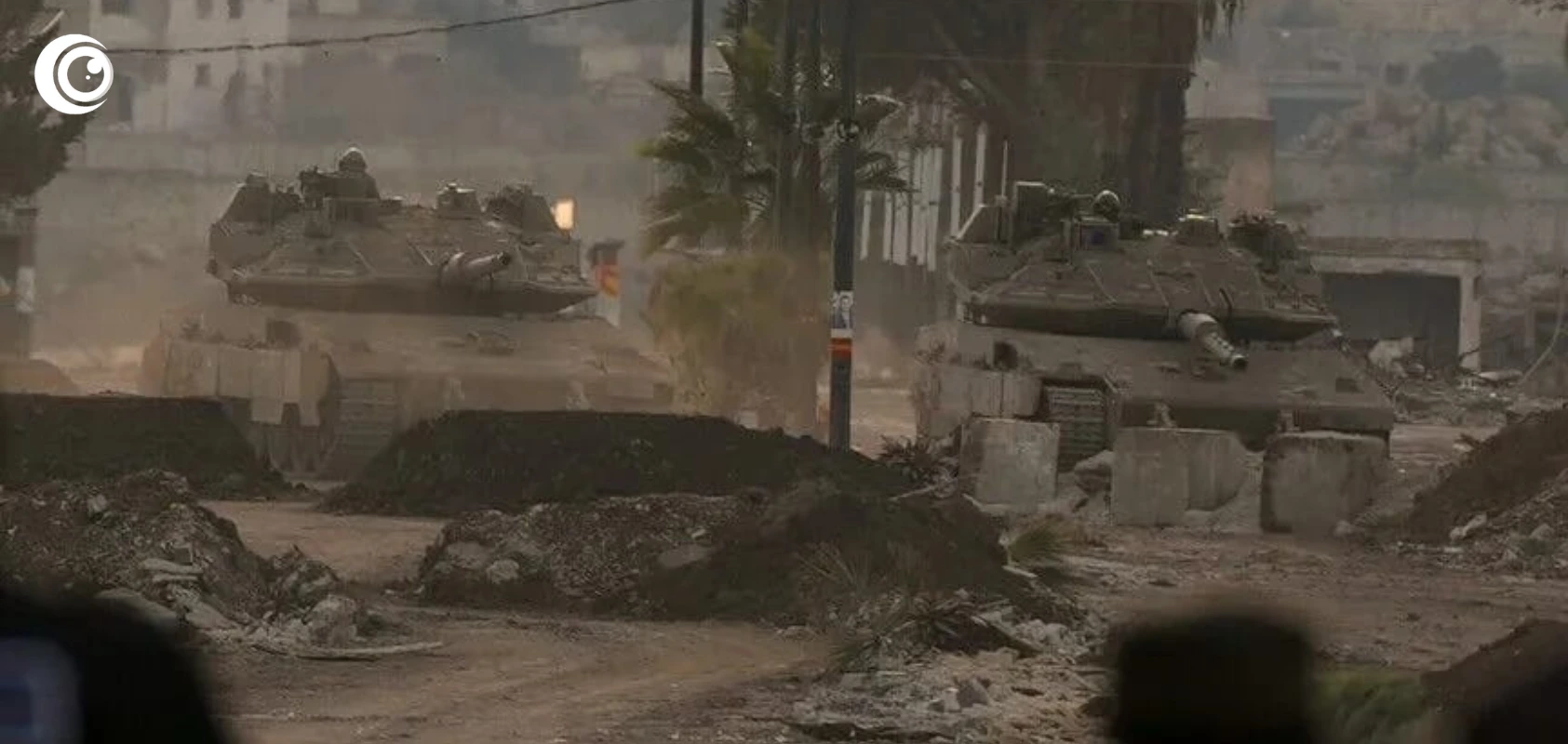
While supporters of the move may frame it as a security arrangement, critics argue it reflects a broader pattern that has become increasingly visible over recent years: the expansion of the occupation’s military, intelligence, and strategic footprint far beyond historic Palestine. From Gaza and the West Bank to Lebanon and Syria, and now potentially the Horn of Africa, the occupation continues to pursue a doctrine built around forward positioning, regional surveillance, and military leverage.
The controversy is further intensified by Somaliland’s disputed international status. Despite operating as a self-governing administration, Somaliland remains internationally recognized as part of Somalia by virtually the entire international community. Any foreign military deployment therefore carries implications that extend beyond local politics, raising questions about sovereignty, territorial integrity, and external interference in a sensitive region.
Regional observers warn that the move risks transforming the Horn of Africa into yet another arena of geopolitical confrontation. Yemen has already indicated that military assets linked to the occupation near its strategic environment would be viewed as a direct threat. With tensions already elevated across the Red Sea, the introduction of new military actors increases the risk of escalation, miscalculation, and confrontation extending far beyond Somaliland itself.
The reported deployment also shines a spotlight on the governments that continue providing diplomatic, military, and political backing to the occupation. The United States remains the occupation’s principal military sponsor, supplying billions of dollars in assistance and advanced weaponry while repeatedly shielding it from meaningful international accountability. Critics argue that this support has created an environment in which the occupation increasingly believes it can expand its military reach without facing serious consequences.
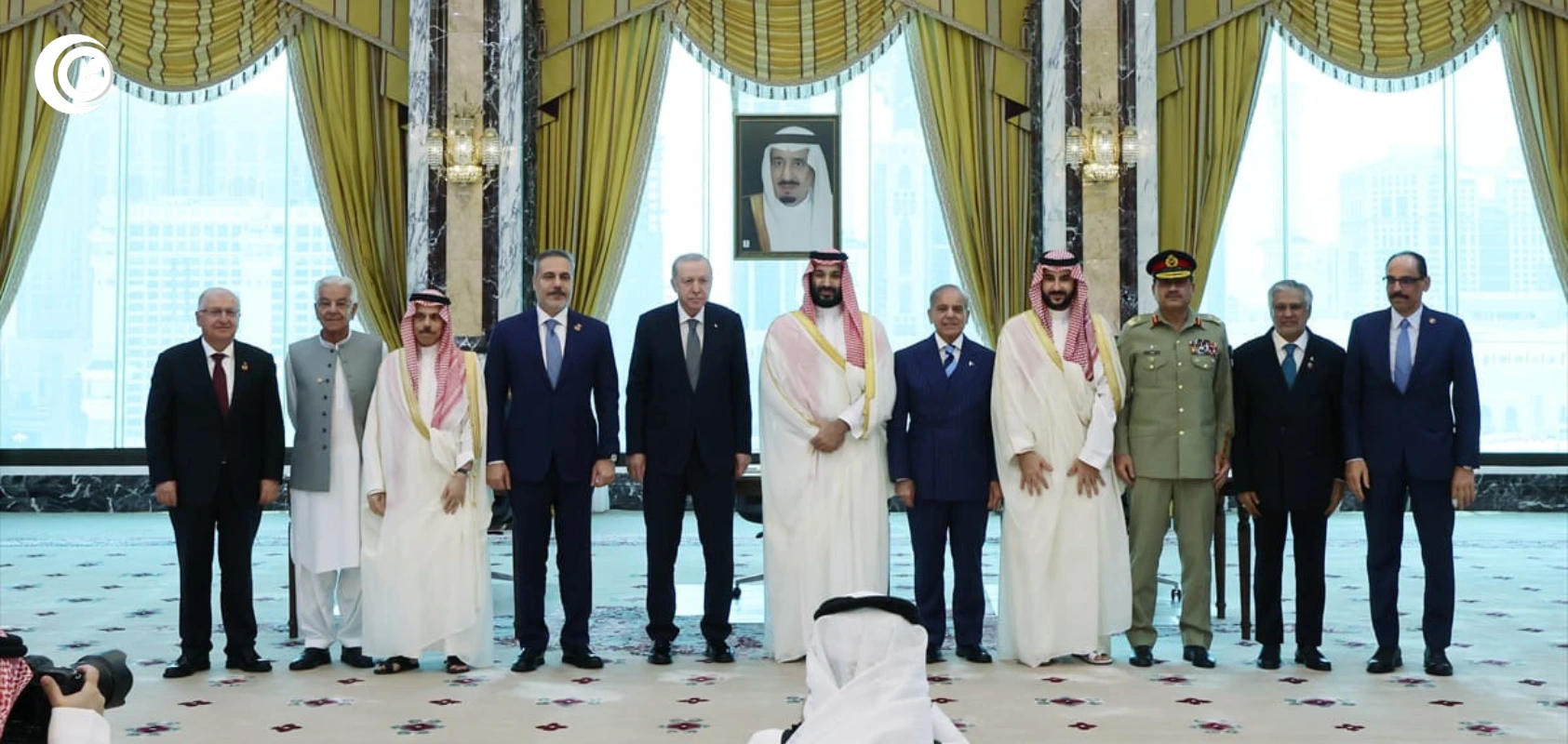
The United Kingdom and several Western allies have faced similar criticism for maintaining strategic cooperation and arms relationships while expressing only limited opposition to policies widely condemned by human rights organizations. At the same time, a number of Arab governments that have pursued normalization agreements with the occupation are increasingly being accused by critics of prioritizing geopolitical calculations over regional solidarity and public sentiment across the Muslim world.
Many scholars point to principles emphasizing justice, protection of the oppressed, respect for sovereignty, and opposition to aggression. Critics argue that military expansion into contested territories and support for policies that contribute to civilian suffering stand in direct contradiction to these principles. The issue, they argue, is not merely political but moral, raising broader questions about responsibility, silence, and complicity.
For the people of the region, the concern extends beyond diplomacy. Increased militarization around one of the world’s most important maritime corridors threatens regional stability, trade, and civilian security. What begins as a limited deployment can quickly evolve into a permanent foothold, altering regional power balances and drawing additional states into an already volatile security environment.
The reported deployment suggests that the occupation’s ambitions are no longer confined to Palestine or its immediate borders. Whether the move develops into a larger military presence remains to be seen. What is already clear, however, is that the Horn of Africa is rapidly becoming another front in a widening regional struggle whose consequences could be felt far beyond Somaliland itself.