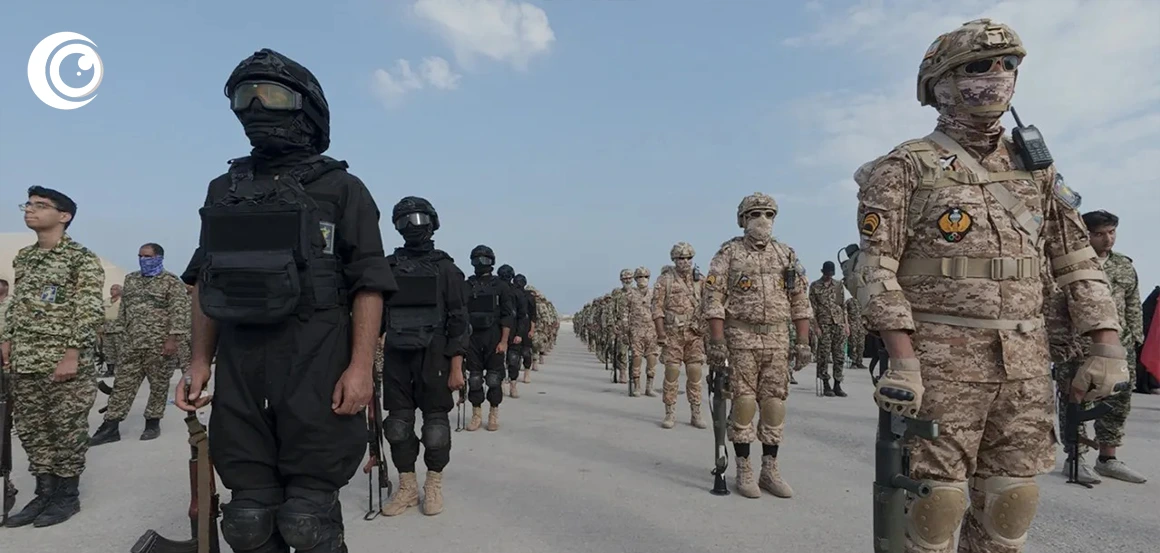
Approximately 6.5 million Iranian citizens have registered within four days to volunteer for potential military or support roles under the “Sacrifice for the Homeland” campaign, according to Iranian sources. The surge in registrations reflects a rapid mobilization effort framed by authorities as a response to growing threats from what they describe as a “Zionist-American” adversary.
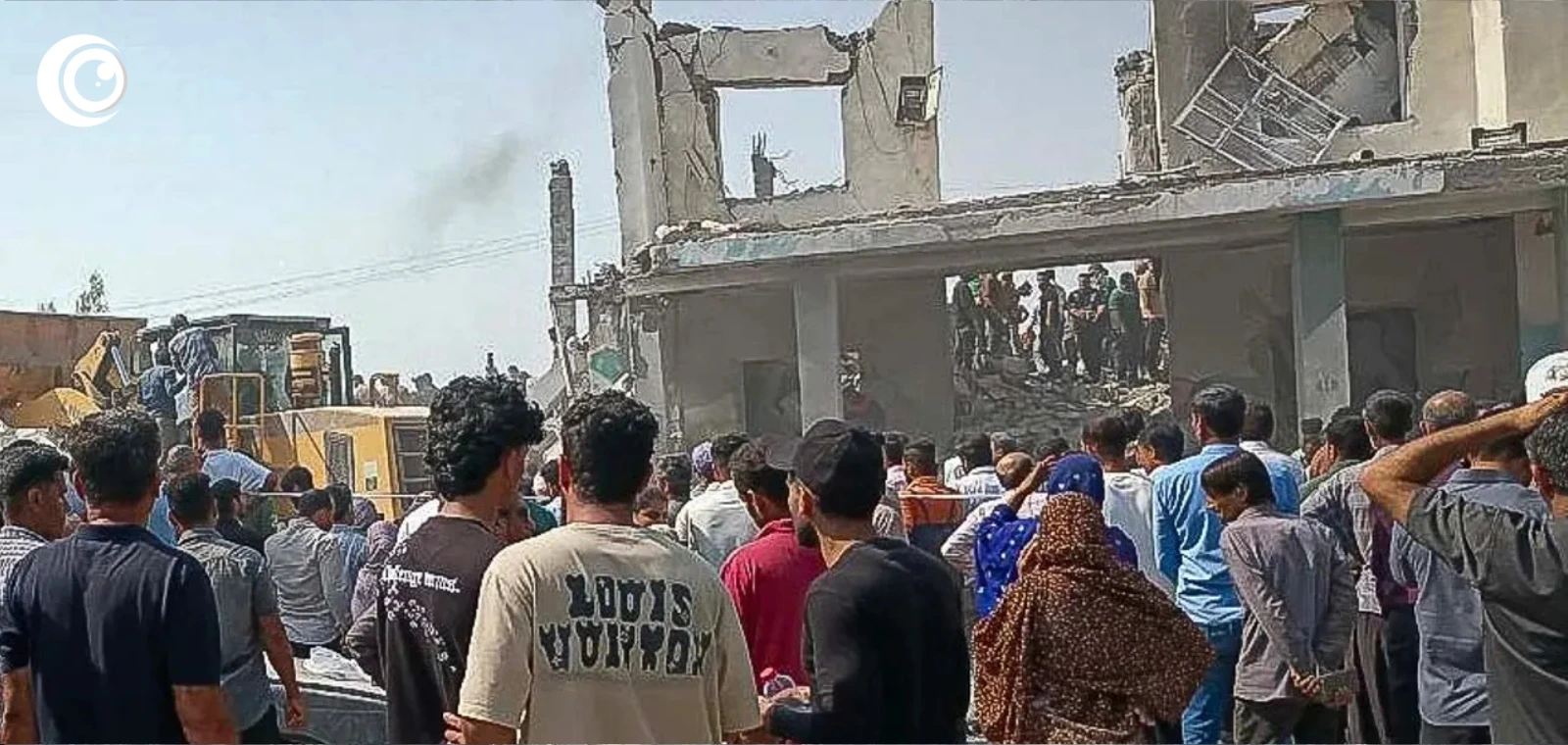
The development comes amid heightened regional tensions involving Iran, the United States, and Israel, rooted in long-standing geopolitical rivalries, proxy conflicts, and disputes over security, influence, and nuclear capabilities. Periodic escalations in rhetoric and military posturing have kept the region on edge, with recent incidents further intensifying fears of broader confrontation.
In recent days, Iranian officials have amplified calls for national unity and preparedness, encouraging civilians to participate in defense-related initiatives. While it remains unclear how many of the registered volunteers will receive formal training or deployment roles, the scale of the response signals significant domestic engagement. Military and political leadership have portrayed the campaign as both a deterrent and a demonstration of popular resolve.
Strategically, the mass mobilization effort could serve multiple purposes, including signaling strength to adversaries, boosting internal morale, and reinforcing Iran’s capacity for asymmetric warfare. For regional actors, the move may heighten concerns about escalation risks, particularly if it translates into increased activity across allied groups or contested zones.
From a humanitarian perspective, large-scale mobilization raises concerns about civilian safety, potential militarization of society, and the risks associated with prolonged conflict. International observers often stress the importance of protecting non-combatants and ensuring compliance with humanitarian law, especially in volatile environments.
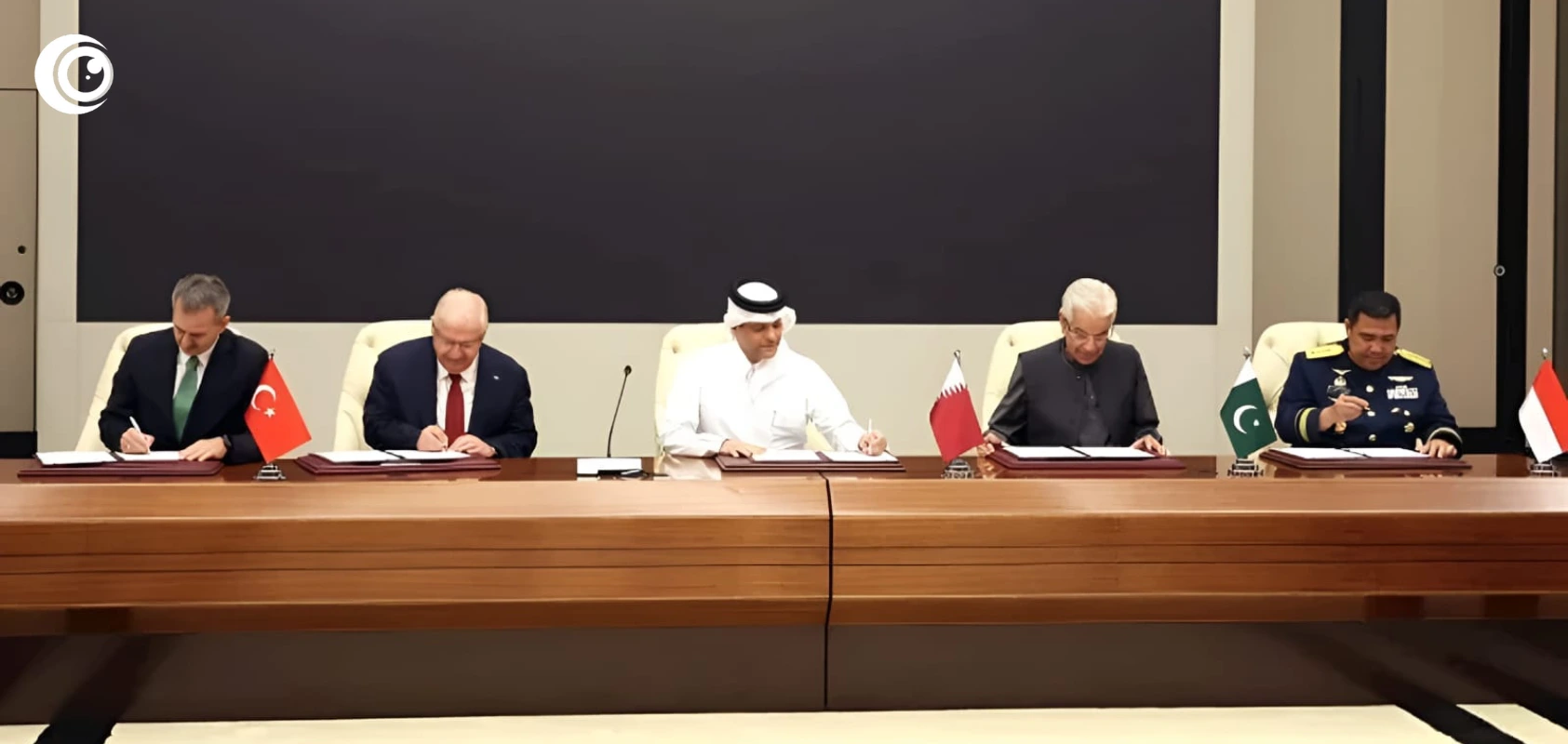
Global reactions have been cautious but attentive. Western governments are likely to view the campaign as part of Iran’s broader strategic messaging, while regional players may interpret it as a sign of potential escalation. Diplomatic channels remain critical as stakeholders seek to avoid direct confrontation while managing rising tensions.
The situation remains fluid, with no immediate confirmation of how the volunteer force will be utilized. Analysts expect continued rhetoric, possible military signaling, and ongoing diplomatic maneuvering in the coming weeks as the region watches closely for signs of either escalation or de-escalation.