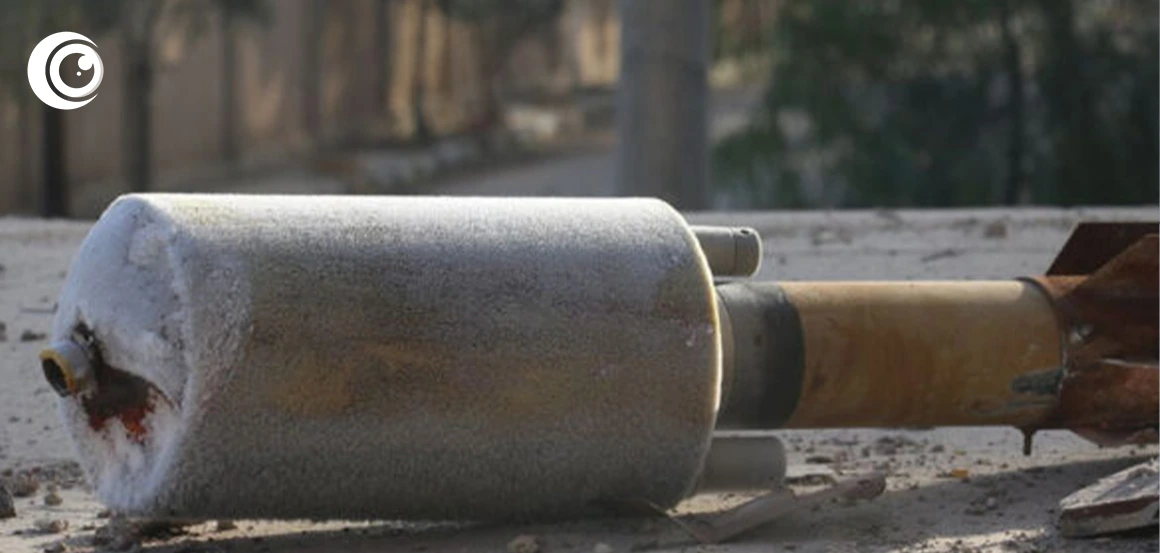


The International Labour Organization has ordered the Organization for the Prohibition of Chemical Weapons (OPCW) to pay damages and legal costs to former investigator Brendan Whelan, who challenged the organization’s conclusions regarding the 2018 Douma incident in Syria. The OPCW’s 2019 report had attributed the attack to the Syrian government, stating that chlorine gas released from cylinders dropped from helicopters killed dozens of civilians.
Whelan, who was closely involved in the mission’s early scientific assessments, argued that key evidence contradicting this conclusion had been excluded. Internal engineering and toxicology analyses, according to his claims, suggested that the cylinders may not have been dropped from the air and that chlorine exposure was unlikely to have caused the reported fatalities. Following his objections, Whelan faced internal repercussions, including being barred from further OPCW work and publicly criticized by Director-General Fernando Arias.
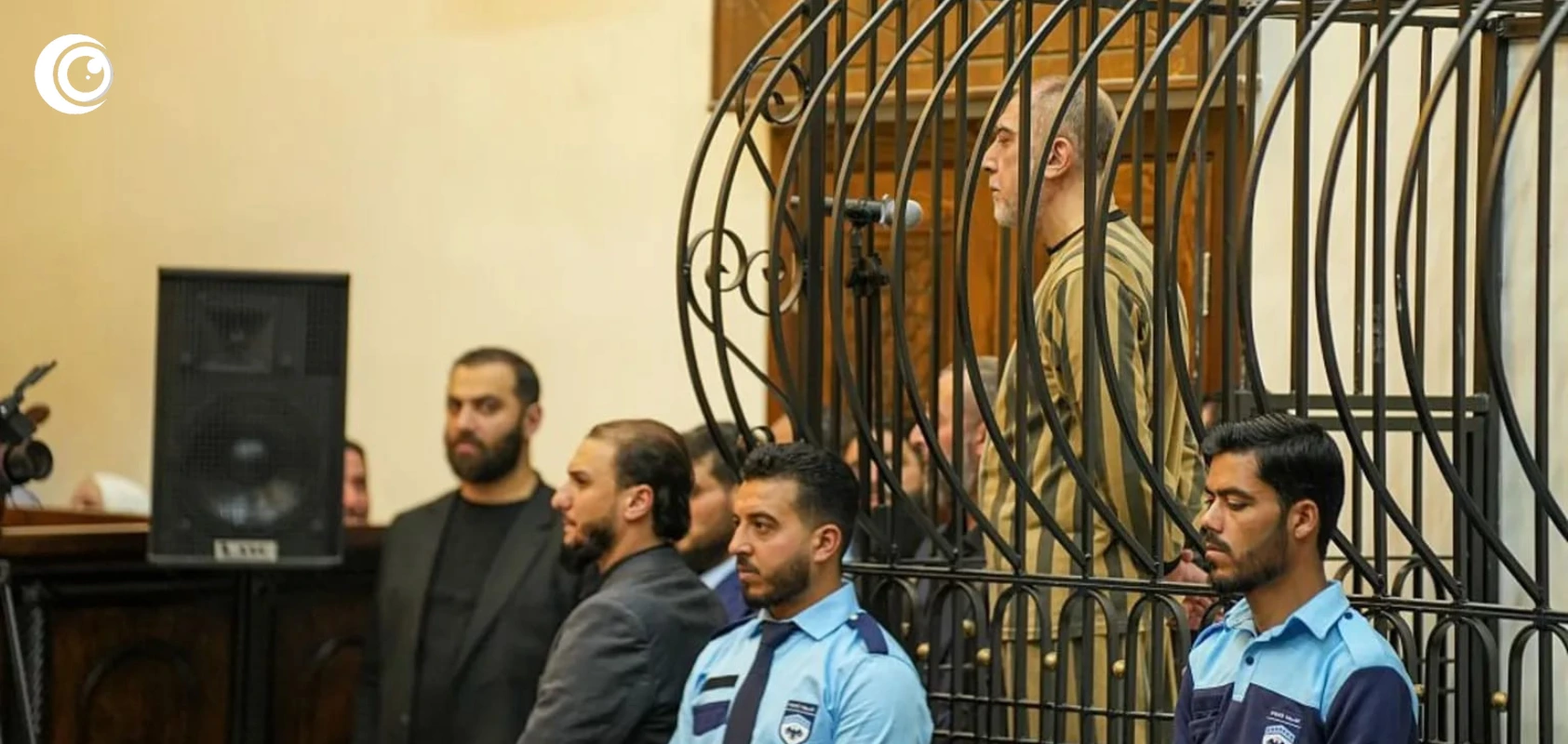
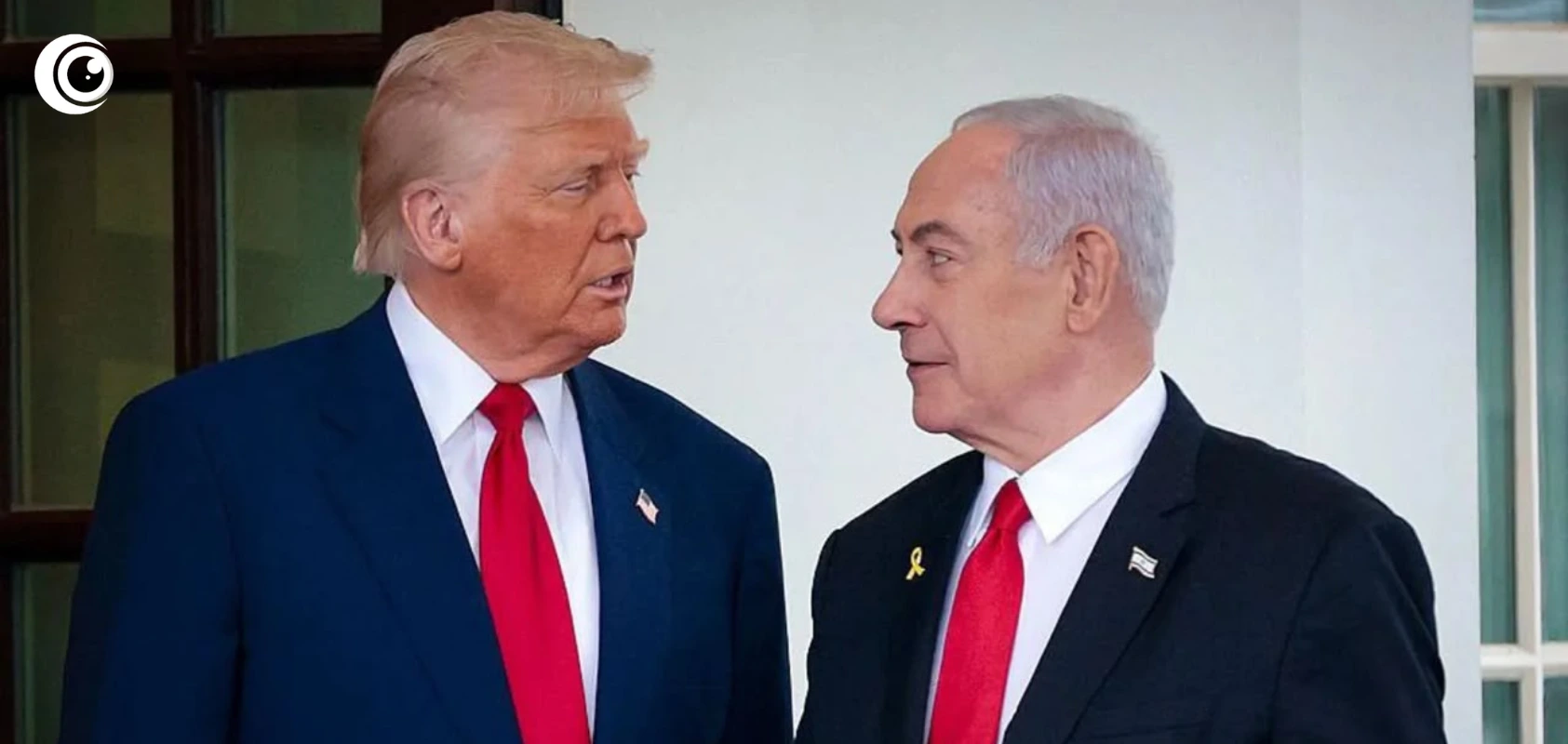
The ILO ruling found in Whelan’s favor, ordering compensation and effectively overturning the actions taken against him. Whelan described the decision as a personal and professional vindication and called for corrections from major media outlets. The ruling has also renewed debate over the interpretation of the Douma incident, which had previously been cited in support of military action, including airstrikes ordered in 2018 by then-U.S. President Donald Trump.
The case adds to broader discussions about transparency and accountability in international investigations, particularly in conflict zones where findings can carry significant geopolitical consequences. In this light, critics argue that the developments cast a harsh spotlight on the 2018 airstrikes ordered by then-U.S. President Donald Trump, suggesting they were carried out on the basis of contested and potentially incomplete evidence. They contend this reflects a reckless use of military force, where major decisions were pushed forward without full clarity, raising serious questions about accountability and the consequences of acting on disputed claims.