
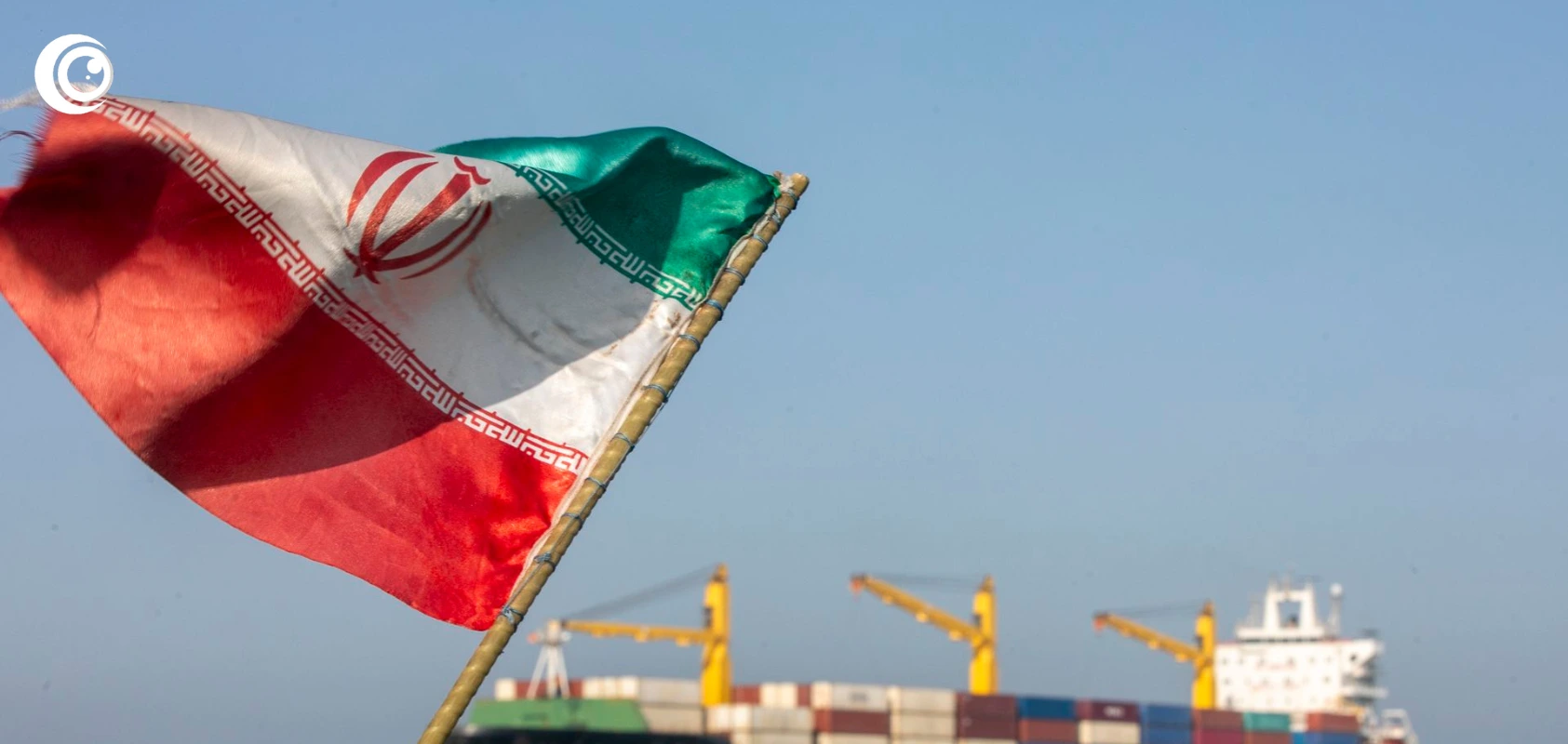
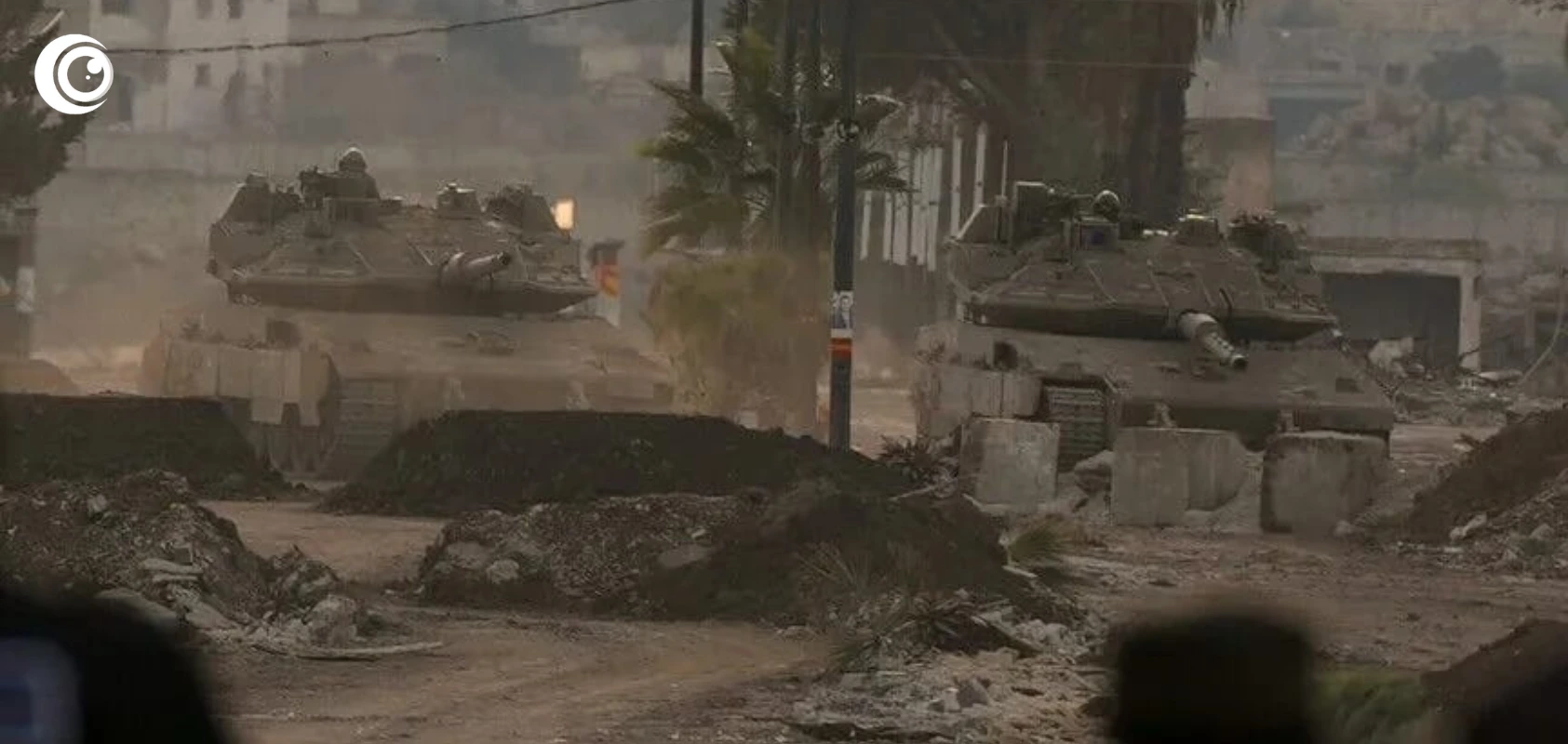
The newly announced memorandum of understanding between Tehran and Washington has been presented in Iran as a major victory for the Islamic Republic and the wider resistance front. The agreement includes an immediate halt to military operations on all fronts, including Lebanon, as well as the lifting of the US naval blockade against Iran.
Iranian officials have described the agreement as the outcome of months of military, political, and diplomatic developments that culminated in Washington’s return to negotiations. Iranian outlets have highlighted the reopening of the Strait of Hormuz, the end of regional military operations, and the inclusion of Lebanon within the ceasefire framework among the most significant outcomes of the talks.
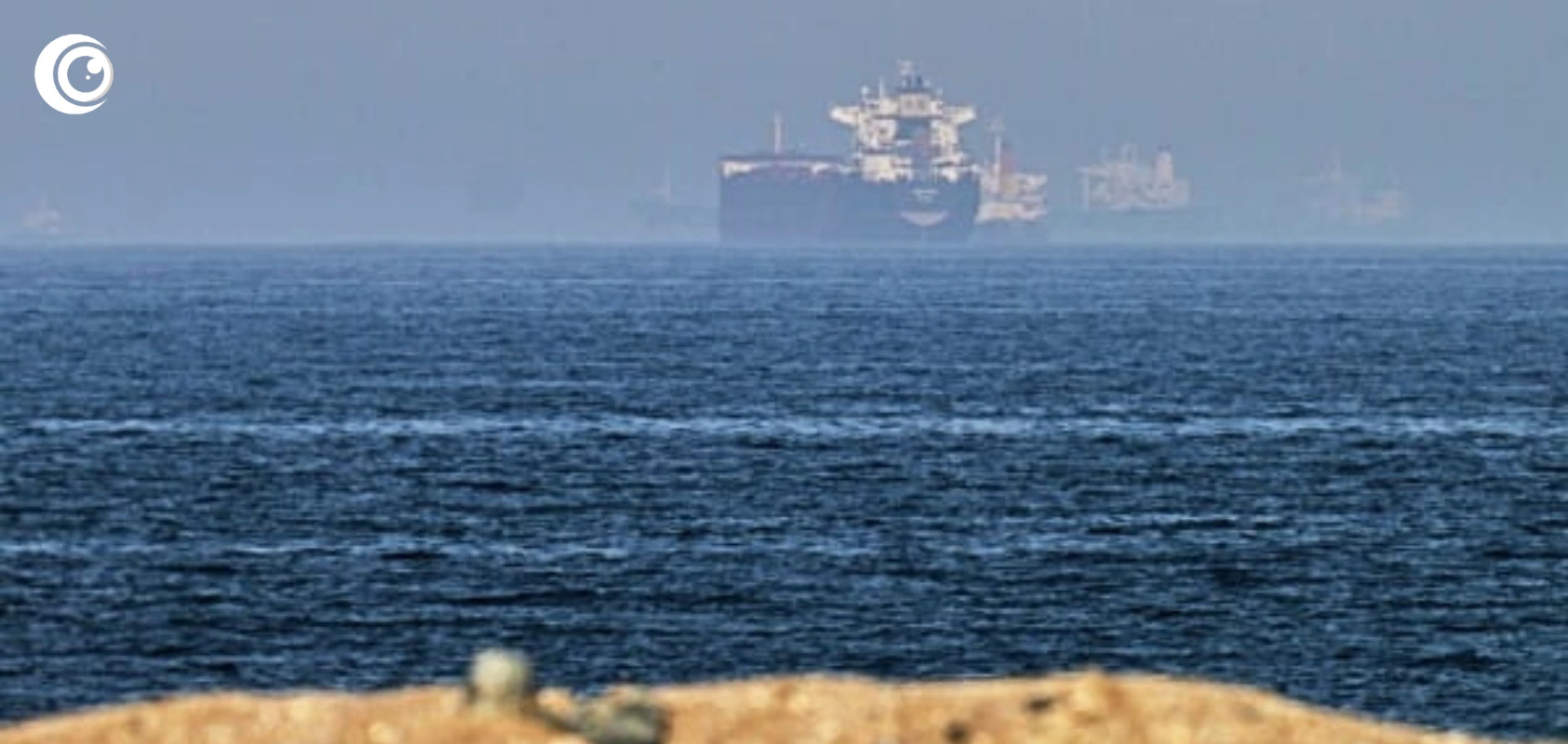
US President Donald Trump has characterized the agreement as a diplomatic breakthrough that will restore maritime traffic, reduce tensions, and create a path for further negotiations on unresolved issues. Trump announced the reopening of the Strait of Hormuz and the removal of the US naval blockade while emphasizing that discussions toward a final agreement will continue.
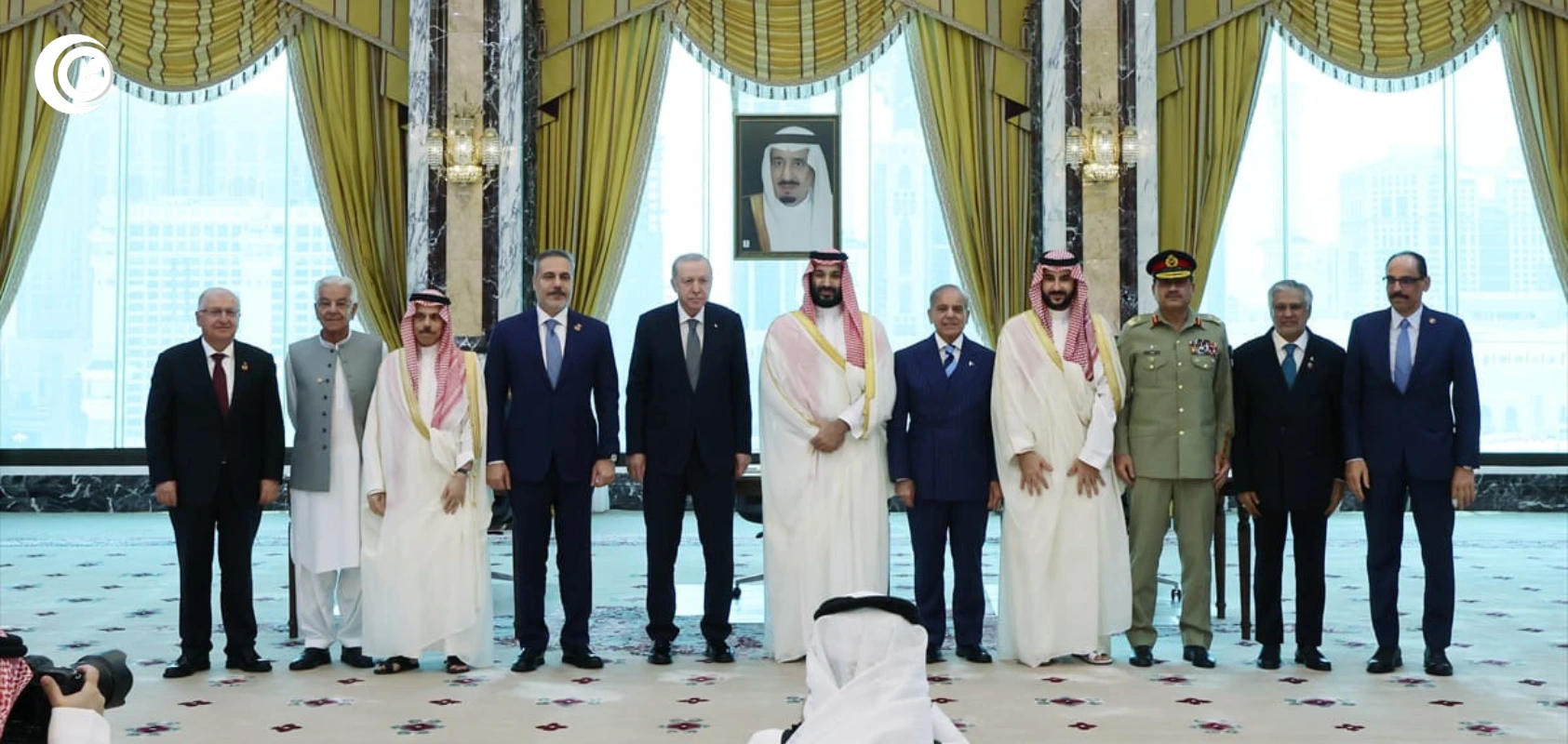
The memorandum follows months of conflict that disrupted global trade routes, increased energy prices, and raised fears of a broader regional war. Pakistan and Qatar were widely credited for their role in facilitating dialogue between the two sides and helping advance negotiations toward a settlement.
The agreement represents the most significant diplomatic development since the conflict began and has the potential to reshape the regional security landscape if fully implemented.