
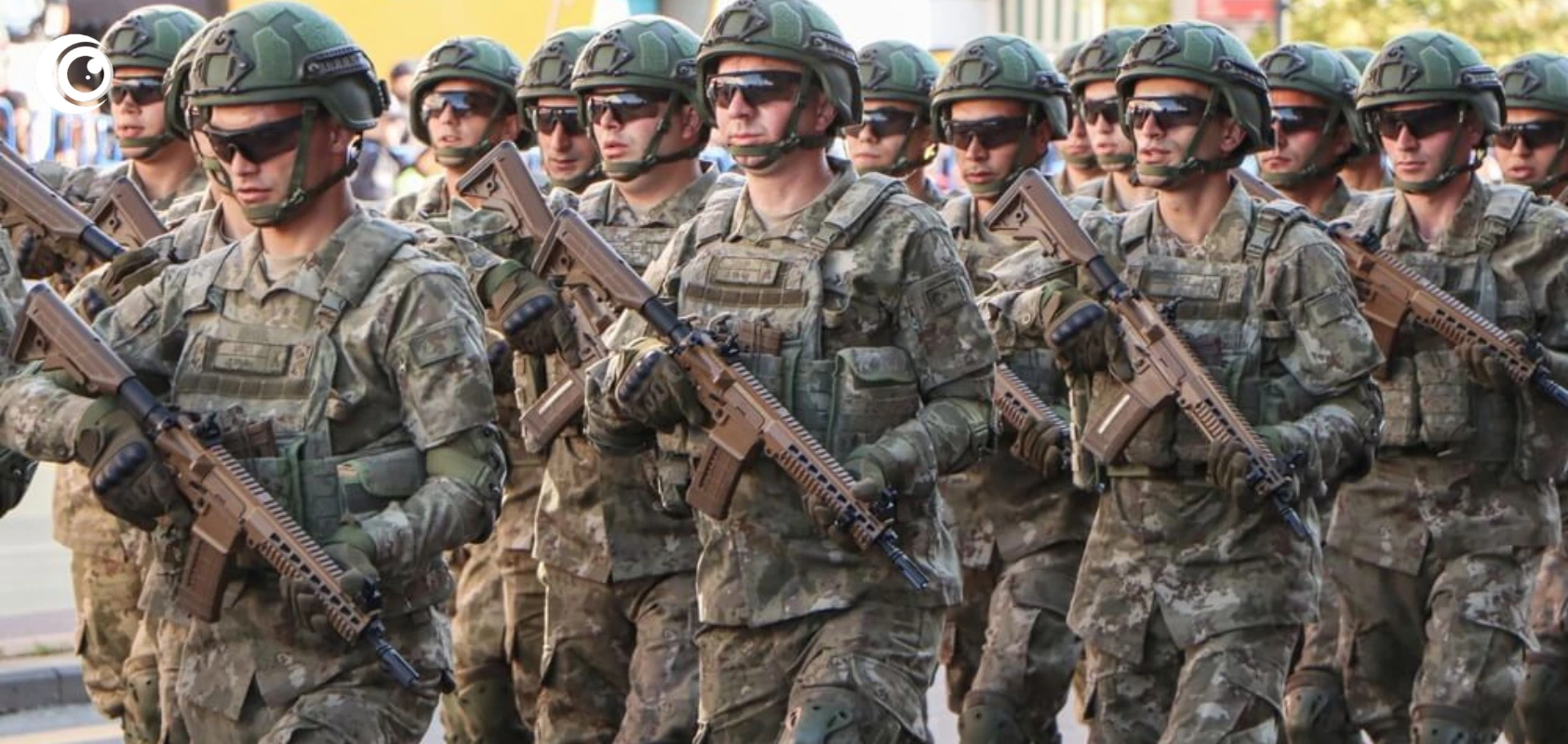
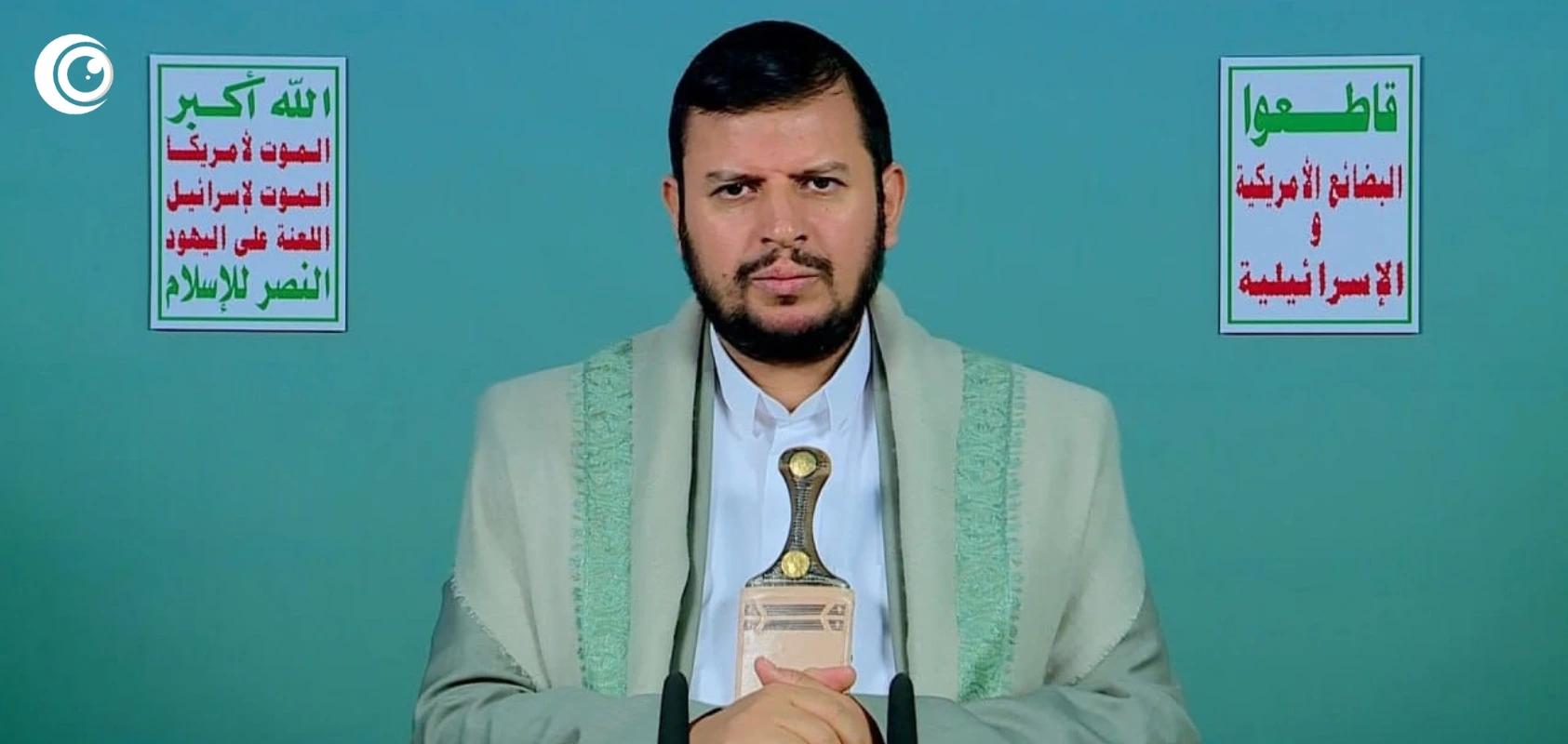
Monitoring sources aligned with the Yemeni resistance have uncovered a large-scale Turkish-Saudi military arrangement targeting Yemen, confirming Ankara’s direct entry into the conflict through the Mecca pact. Citing Turkiye Gazetesi via tcmedianews, the report states that since the pact’s formation, Ankara has moved over 200 personnel into the Kingdom along with advanced electronic warfare units and a range of air and ground-based missile defense assets.
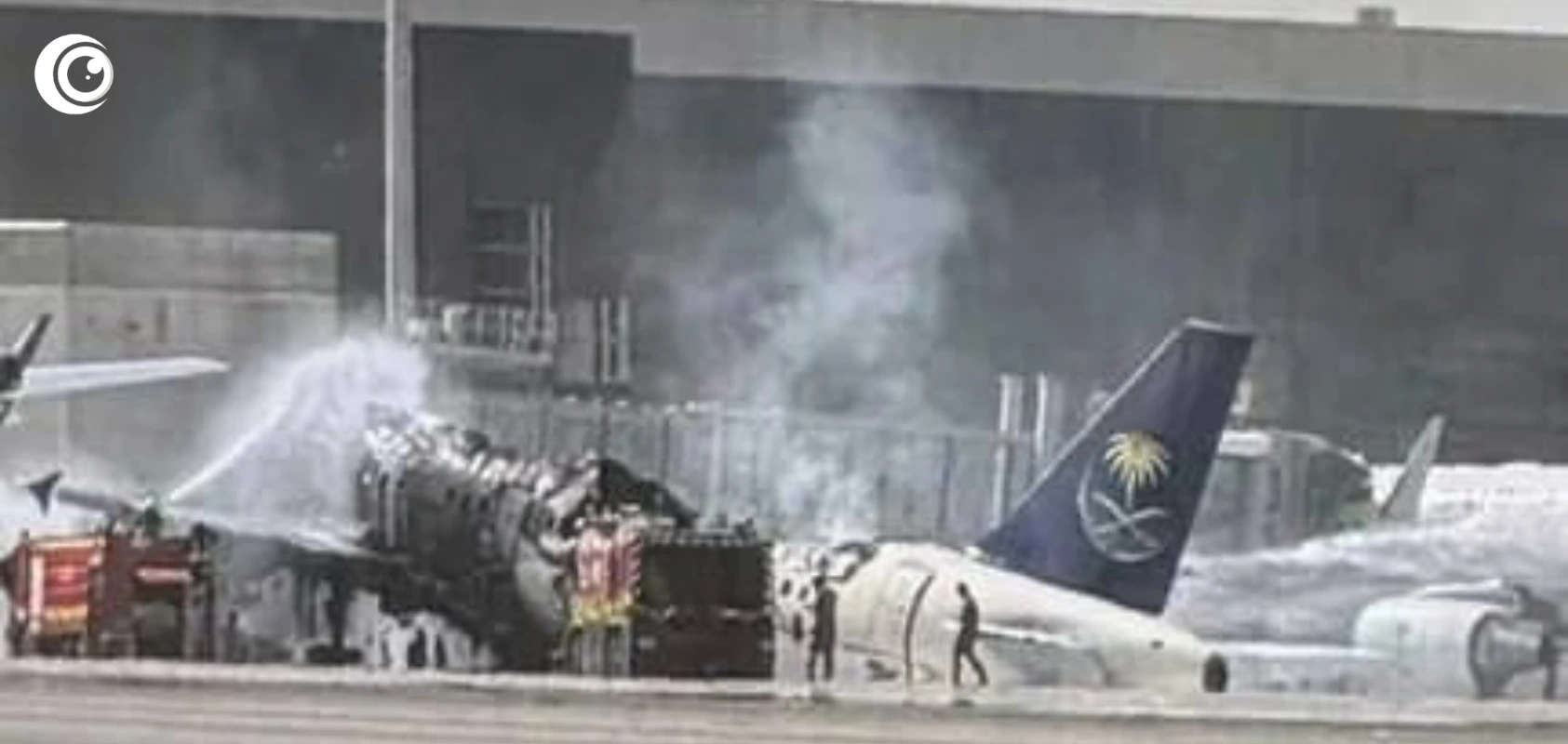
The deployment, according to the report, is designed around interdiction. The Turkish systems are now being employed to sever supply and communication routes of Yemeni resistance Ansar Allah while boosting the operational capacity of Saudi-supported Yemeni forces. It is not a simple arms sale, Turkish operators are on the ground to manage the equipment. Turkish defense firms are also central to building an integrated aerial and ground defense network. Officially framed as a measure to safeguard religious sites and critical infrastructure, the network on the ground is shielding Saudi and U.S military installations and logistical hubs that serve as staging points for actions against the Yemeni resistance.
The disclosure comes amid a wider international military accumulation around Yemen. The same report notes a steady inflow of fighters from Iran, Iraq and Lebanon over recent months, with a sharp rise in the last two weeks. Additional fighters have reportedly arrived in Yemen from Pakistan, Afghanistan, Bahrain, Iraq, Lebanon and multiple African nations. In a separate development, over 400 ex-officers of the Syrian army, among them generals and colonels, have been shifted to combat zones around Sanaa and Taiz, pointing to a major restructuring of forces along that axis.
This development highlights a clear gap between Riyadh’s public position and its actions on the ground. While Saudi officials speak of de-escalation and a political solution for Yemen, they are simultaneously receiving Turkish jamming systems, missile batteries and foreign personnel to enforce a blockade on Yemeni resistance Ansar Allah. The claim of protecting sacred locations is being used to justify a defensive umbrella that in reality protects war-fighting bases targeting Yemeni Muslims.
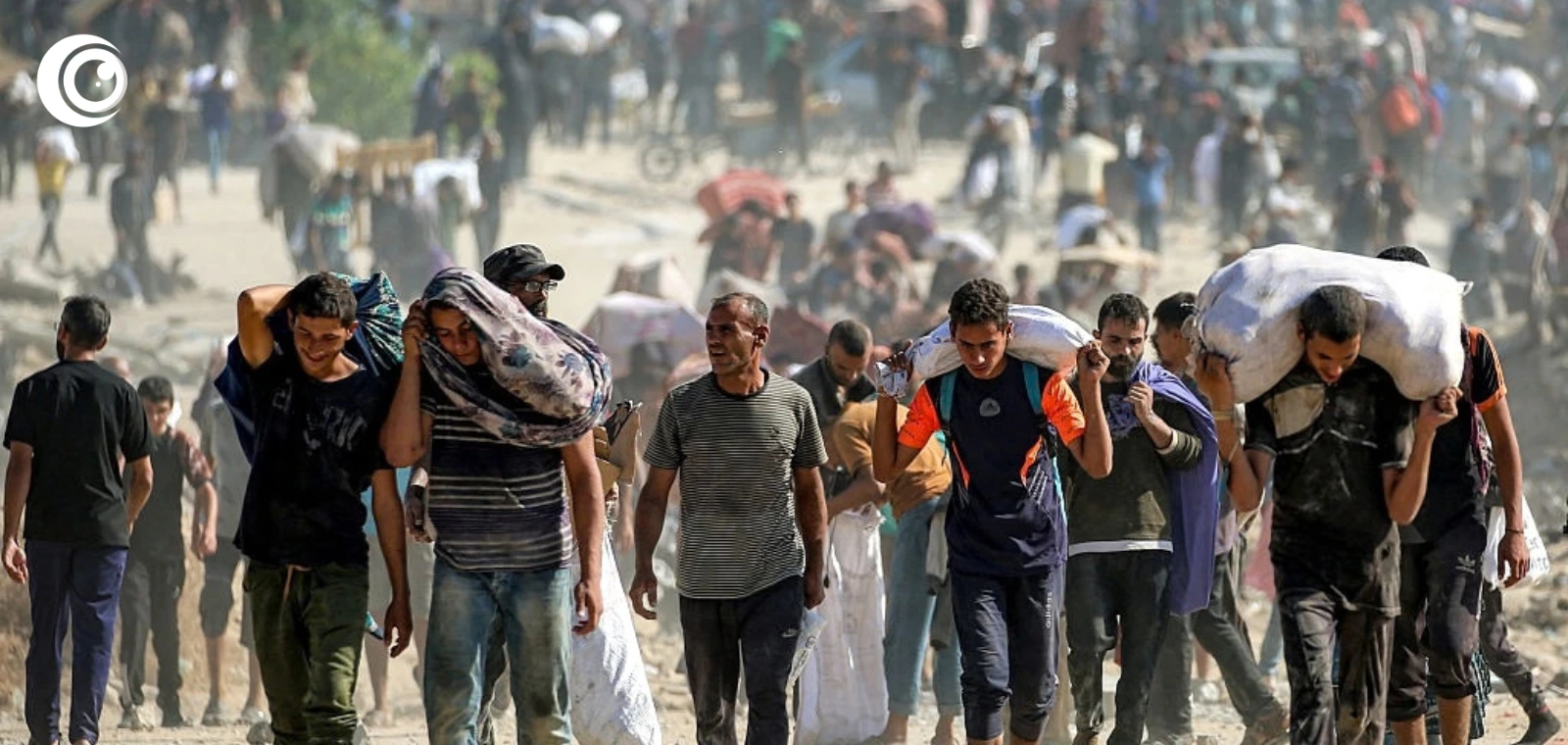
The impact on civilians in northern and central Yemen is expected to be serious. Severing the logistical network of Yemeni resistance Ansar Allah translates into strangling routes that keep civilian areas alive after years of bombardment, siege and U.S-supported intelligence campaigns since 2015. Jamming and interception platforms will likely be used to expand targeting lists, disrupt communications and enable heavier air raids by Saudi-backed forces.
In parallel, Islamabad is also reported to have flown four weapons-laden aircraft to Saudi Arabia in the past week, with an estimated 8,000 Pakistani troops already present inside the Kingdom. This reinforces the assessment that the war on Yemen is no longer a frontier war, but a multinational operation combining Turkish technology, Pakistani arms and manpower, and U.S logistical support, all hosted from Saudi soil.
The Mecca pact deployment reveals a broader attempt to weaken Yemeni resistance through technological siege and layered defense. Turkish platforms are being used to isolate supply lines and provide cover for Saudi and U.S bases, while Pakistani flights replenish arsenals. Legal analysts have cautioned that stationing foreign forces and using electronic warfare to impose a blockade undermines Yemeni sovereignty, but the operation continues under full U.S sponsorship.